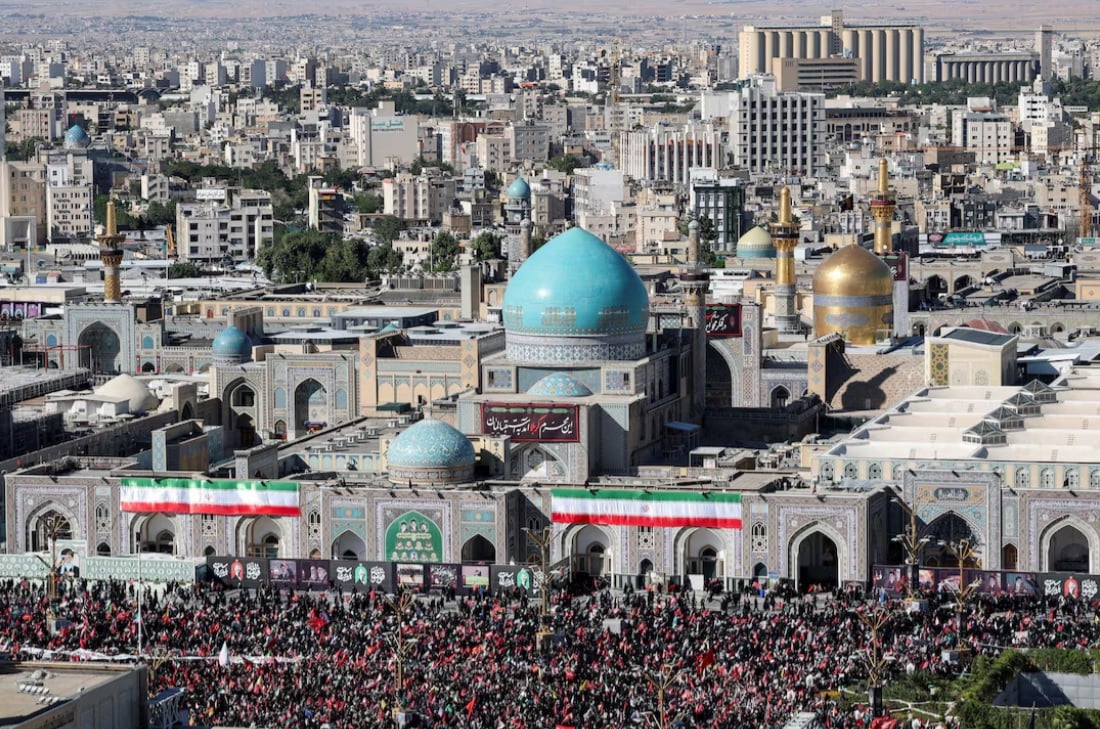
MASHHAD: Iran buried its slain Supreme Leader Ayatollah Ali Khamenei early Friday at the country’s holiest shrine, state media reported, capping a week of mass mourning even as his son and designated successor, Mojtaba Khamenei, remained out of public view.
The burial took place at the Shrine of Imam Reza in the northeastern city of Mashhad, Khamenei’s hometown and one of Shiite Islam’s most revered pilgrimage sites. The state-run IRNA news agency said the interment of Khamenei and four family members who died alongside him had been completed.
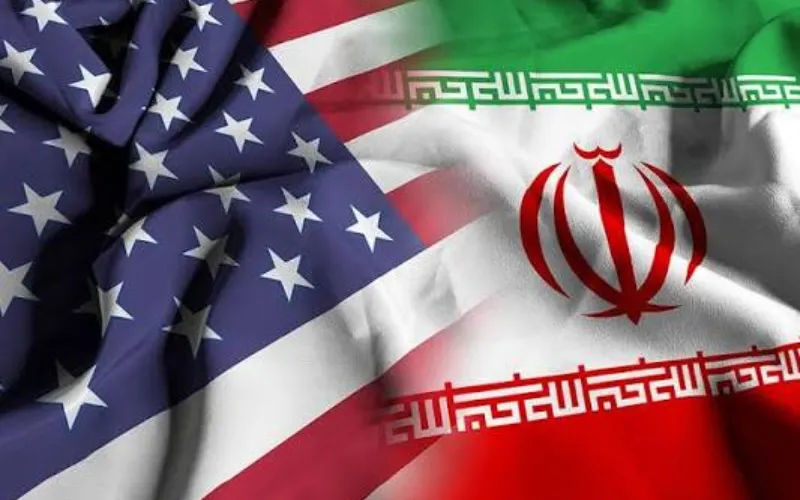
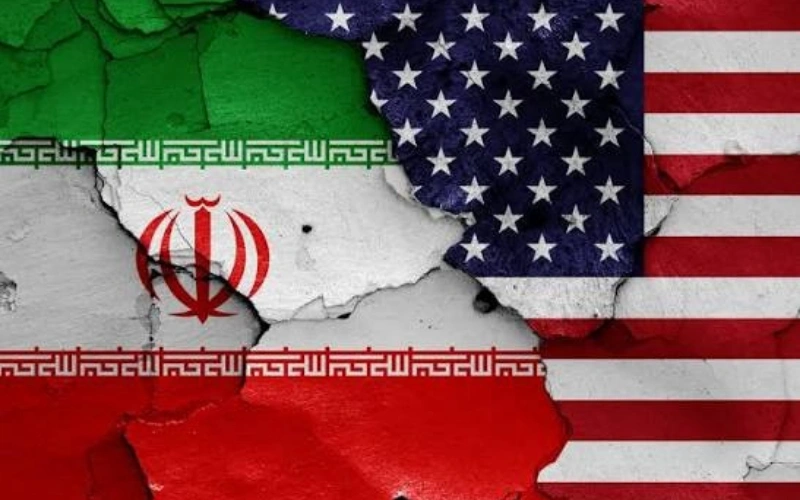
Khamenei, 86, was killed Feb. 28 in the opening strikes of a war launched by the United States and Israel. The U.S. and Iran reached a truce last month, though tensions have flared anew during the funeral period, now in its fourth month.
On Thursday, Khamenei’s body was driven slowly through packed Mashhad streets on a truck en route to the shrine’s gilded dome and minarets, flanked by white-turbaned clerics. Mourners dressed in black pressed in behind, waving Iranian flags, portraits of Khamenei and red placards bearing revolutionary slogans.
A helicopter later lifted the coffin over the dense crowd for the final approach to a blue-tiled recess inside the shrine. Khamenei’s eldest son, Mostafa, led the funeral prayer before mourners carried the flag-draped coffin inside, where many wept and reached toward it while holding candles, according to video of the ceremony.
The burial concluded a series of funeral processions across Iran and Iraq that clerical authorities had urged massive crowds to attend, in what was widely seen as a display of the theocratic government’s strength and ideological resolve.
Successor’s absence draws scrutiny
Mojtaba Khamenei was named supreme leader by a clerical assembly in early March, roughly a week after his father’s death. He has not appeared publicly since the war began, and no photo, video or audio recording of him has surfaced, though he has issued written statements.
He was severely injured in the same strike that killed his father, suffering a disfigured face and badly wounded limbs, according to senior sources in Tehran. Those sources said he is recovering but has not yet been medically cleared for public appearances, and that security officials are also limiting his exposure amid concerns over further U.S. attacks.
A contested legacy
The funeral closes out nearly four decades of rule by Khamenei, who took over as supreme leader in 1989, a decade after Iran’s Islamic Revolution, and gradually consolidated sweeping political, economic and military authority.
His body had previously been paraded through Tehran; the clerical center of Qom; and the Iraqi shrine cities of Najaf and Karbala before arriving in Mashhad.
The ceremonies come months after the latest wave of nationwide protests against the Islamic Republic, fueled by anger over a sanctions-battered economy. Security forces killed thousands of demonstrators in suppressing that unrest, according to rights groups, in a crackdown consistent with previous periods of state violence.
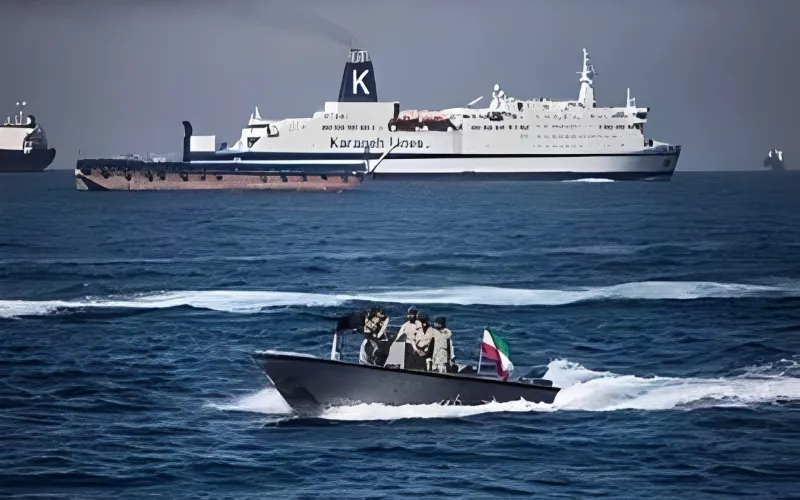
Analysts say Iran emerges from the war strategically strengthened in some respects, having maintained control over the Strait of Hormuz, a critical global shipping route. But the country has also sustained extensive damage that has deepened its economic troubles.
Khamenei’s rule and its legacy remain deeply divisive among Iranians as the country enters a new and uncertain chapter under his son’s still-unseen leadership.