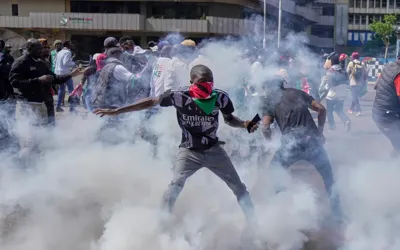
Iranian authorities have reported that 3,117 people were killed during nationwide protests that erupted in late December, though human rights groups warn the actual death toll could be far higher.
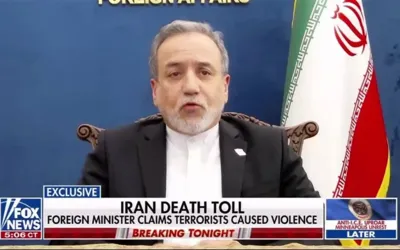
According to state media, the veterans and martyrs foundation declared 2,427 of the deceased as “martyrs,” including some security forces, while 690 were labeled “terrorists, rioters, and attackers of military bases,” a classification highlighted by Ali Akbar Pourjamshidian, secretary of Iran’s National Security Council, as evidence of the “restrained and tolerant” response of security forces.
Human rights organizations, however, dispute these figures. Mahmood Amiry-Moghaddam of Iran Human Rights (IHR) in Norway suggested the true death toll could reach 25,000, citing use of live ammunition and heavy weapons against protesters. Amnesty International and other groups reported shootings from rooftops, including targeted attacks on the eyes of demonstrators, and verified that 42 women were among those killed.
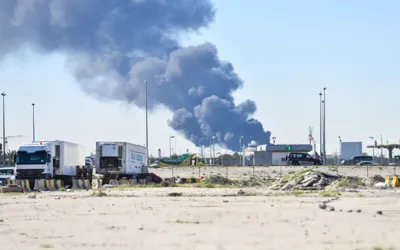
The protests, initially sparked by economic grievances, rapidly evolved into a broader uprising against the Islamic Republic, which has governed Iran since the 1979 revolution. Demonstrations peaked around January 8 before a government-imposed internet blackout slowed communications.
The unrest has drawn responses from Iran’s former monarchy. Crown Prince Reza Pahlavi called for nightly protests, while his mother, Farah Pahlavi, warned there was “no turning back” from the movement.
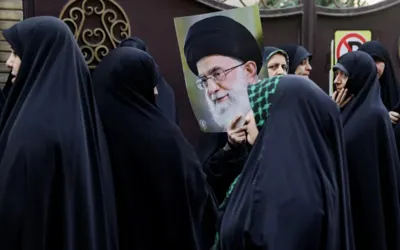
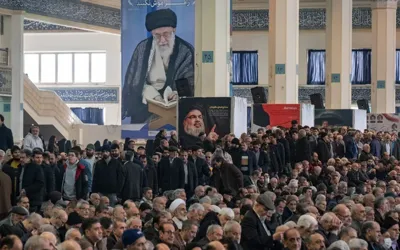
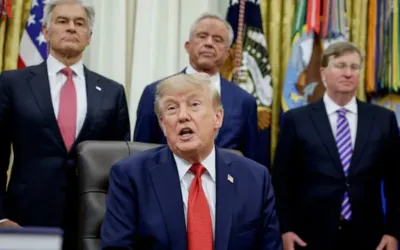
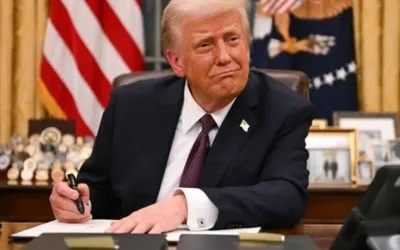
Meanwhile, U.S. officials, including President Donald Trump, have not ruled out military action in response to the crackdown. Iranian General Abolfazl Shekarchi warned of reprisals if the country were attacked over Supreme Leader Ayatollah Ali Khamenei.
Amid the communications blackout, assessing the full scale of the unrest remains challenging. Observers note that the demonstrations underscore deep economic and political tensions simmering within the country.