Iran’s Revolutionary Guards’ intelligence service has issued a blistering warning: any US strike on Iranian power plants, as threatened by President Donald Trump will be met with immediate and overwhelming retaliation within 48 hours targeting strategic technology and energy infrastructure beyond the region.
According to Iranian state media, the Guards stated that the Iranian armed forces have maintained full control over the Strait of Hormuz since February 28 compelling the United States to consider withdrawing its regional bases while simultaneously striking Israeli government technology facilities.
The statement made clear that Iran’s military is now focused on critical political and technological targets connected to its adversaries outside the region, promising severe and irreparable consequences for any aggression.
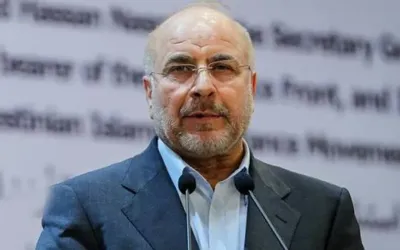
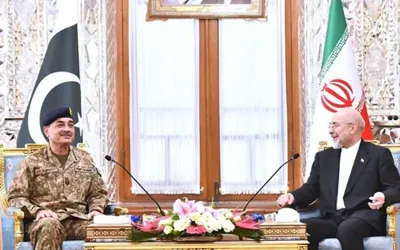
Speaker of the Iranian Parliament, Mohammad Bagher Ghalibaf, declared that any attack on Iranian power plants would trigger the annihilation of energy and fuel infrastructure across the region. He warned that vital regional power centers would be destroyed beyond repair, and such strikes would cause long-term surges in global oil prices.
Earlier, Lieutenant Colonel Ebrahim Zolfaghari, spokesperson for Khatam al-Anbiya Central Headquarters, similarly warned that attacks on Iranian power facilities would be met with devastating and decisive retaliation.
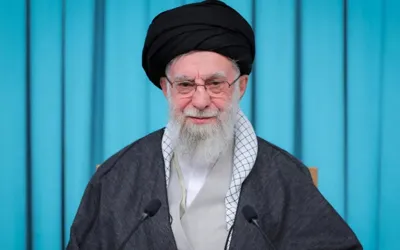
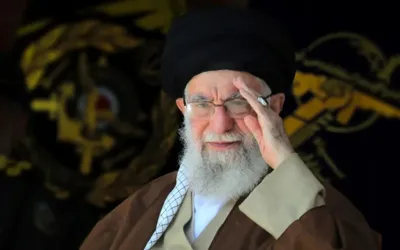
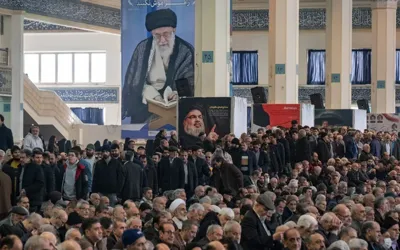
On February 28, US and Israeli forces launched a massive assault on Iran, killing Supreme Leader Ayatollah Ali Khamenei, senior Revolutionary Guards commanders, and other key officials. In the southern city of Minab, an airstrike on a children’s school reportedly killed over 160 young girls.
Iran claims it has already executed highly effective missile and drone strikes, crippling US regional air defense systems and demonstrating its ability to deliver powerful, targeted counterattacks.
Tehran has emphasized that the Strait of Hormuz remains open to countries not aligned with its enemies, but warned that any attacks on Iranian energy infrastructure will provoke responses that extend far beyond the immediate region, with strategic consequences for global energy supply.