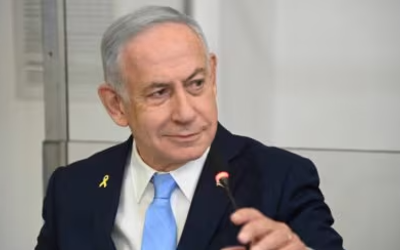
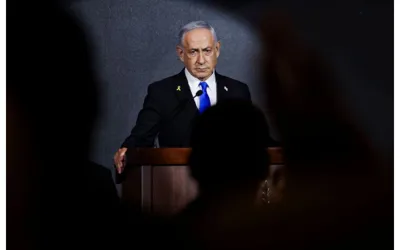
Israeli Prime Minister Benjamin Netanyahu stated on Sunday that Israel and Hamas are “very shortly expected to move into the second phase of the ceasefire,” following the return of the remains of the last Israeli captive held in Gaza.
Speaking at a news conference with visiting German Chancellor Friedrich Merz, Netanyahu acknowledged the difficulty of achieving even the first stage of the ceasefire and warned that the second phase would present equally significant challenges.
He indicated that the next stage could begin by the end of the month and would involve Israel’s demands to disarm Hamas and demilitarize Gaza. “As I mentioned to the chancellor, there’s a third phase, and that is to deradicalize Gaza… Hamas has to be dismantled,” Netanyahu said.
The second stage of the ceasefire also plans for the deployment of an international force to oversee Gaza, alongside the establishment of a temporary Palestinian government to manage day-to-day affairs under the supervision of an international board led by U.S. President Donald Trump.
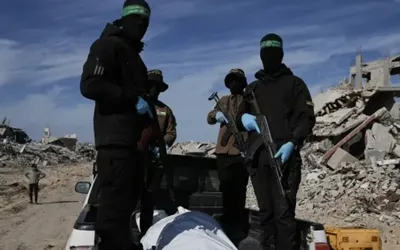
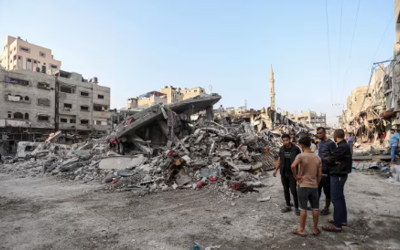
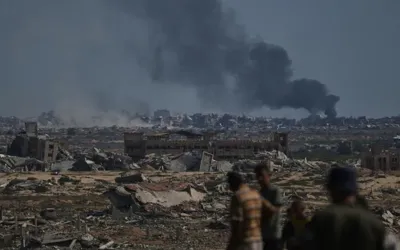
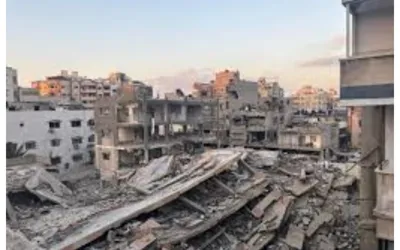
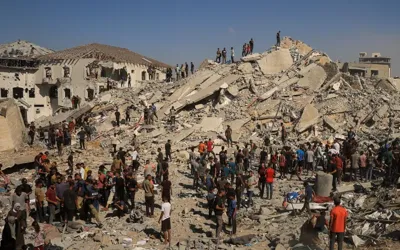
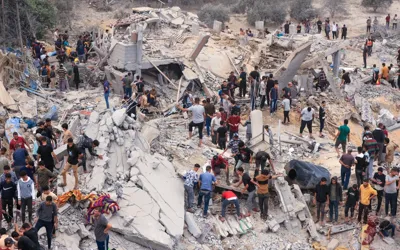
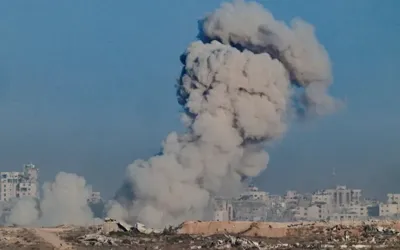
Despite the ongoing truce, violence has continued in Gaza, with 370 Palestinians, including many women and children, reported killed since the ceasefire began on 10 October. Hamas has not yet returned the remains of the last Israeli captive, citing difficulties in retrieving them from rubble left by Israel’s two-year bombing campaign.
The Gaza war has resulted in over 70,000 Palestinian deaths and more than 171,000 injuries, primarily among women and children, according to Gaza’s health ministry. Rights groups and aid organizations have condemned the conflict, warning it amounts to genocide.
Chancellor Merz highlighted Germany’s role in supporting the second phase of the ceasefire, including sending officers and diplomats to a U.S.-led coordination center in southern Israel and providing humanitarian aid to Gaza. He reiterated Germany’s commitment to Israel’s security, citing the historical responsibility following the Holocaust.
Merz also reaffirmed Germany’s support for a two-state solution but stated that recognition of a Palestinian state can only occur at the conclusion of negotiations, not at the outset.
Netanyahu noted that he has no plans for an official visit to Germany due to the International Criminal Court’s arrest warrant issued against him for war crimes in Gaza. Merz said there are no current plans for a visit but indicated a future invitation could be extended.
He added that he is unaware of any new EU sanctions on Israel or German restrictions on military exports, which were temporarily suspended but lifted following the start of the ceasefire.