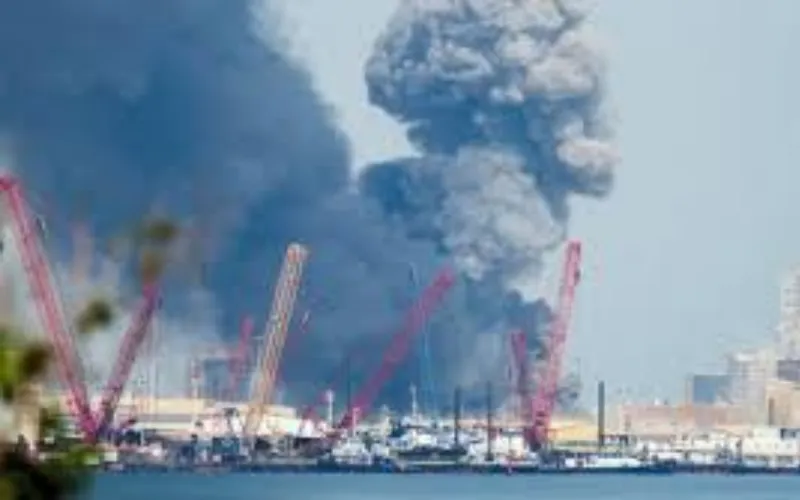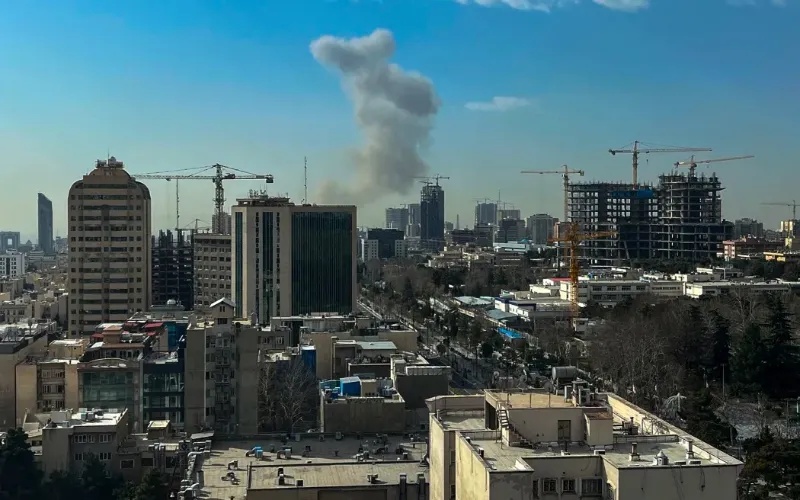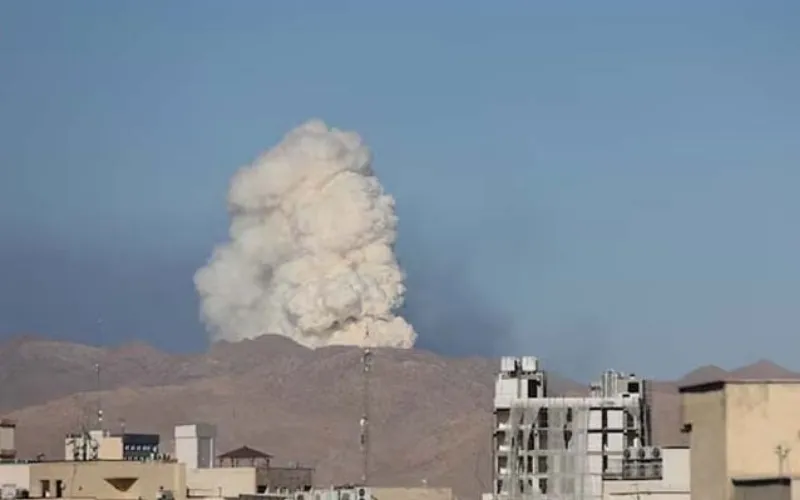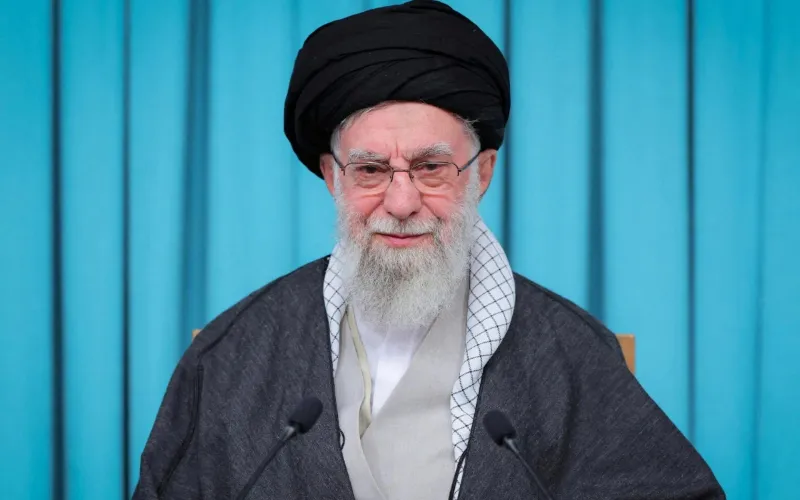
Iran has officially announced the death of Supreme Leader Ayatollah Ali Khamenei following large-scale American and Israeli air and naval strikes carried out on Saturday. The development marks one of the most consequential geopolitical escalations in the region in decades.
In the Name of God, the Compassionate, the Merciful
Among the faithful are men who fulfill what they have pledged to Allah: there are some among them who have fulfilled their pledge, and some of them who still wait, and they have not changed in the least (Holy Quran 33:23). pic.twitter.com/f1JizOKWQD
— Khamenei.ir (@khamenei_ir) March 1, 2026
According to state broadcasters, Khamenei was killed inside his office after his compound came under intense bombardment. Authorities have declared seven days of nationwide closure and 40 days of state mourning in response to the unprecedented loss.
Officials further reported that several members of his immediate family including his daughter, grandson, son-in-law, and daughter-in-law were also killed during the assault.
📹 اعلام خبر شهادت رهبر معظم انقلاب اسلامی ایران pic.twitter.com/5k68tVkbHN
— خبرگزاری تسنیم (@Tasnimnews_Fa) March 1, 2026
Israeli media earlier reported that Khamenei had been sheltering in an underground bunker alongside senior officials when approximately 30 bombs were dropped on the compound. Reports suggested that dozens of close associates were killed in the strike.
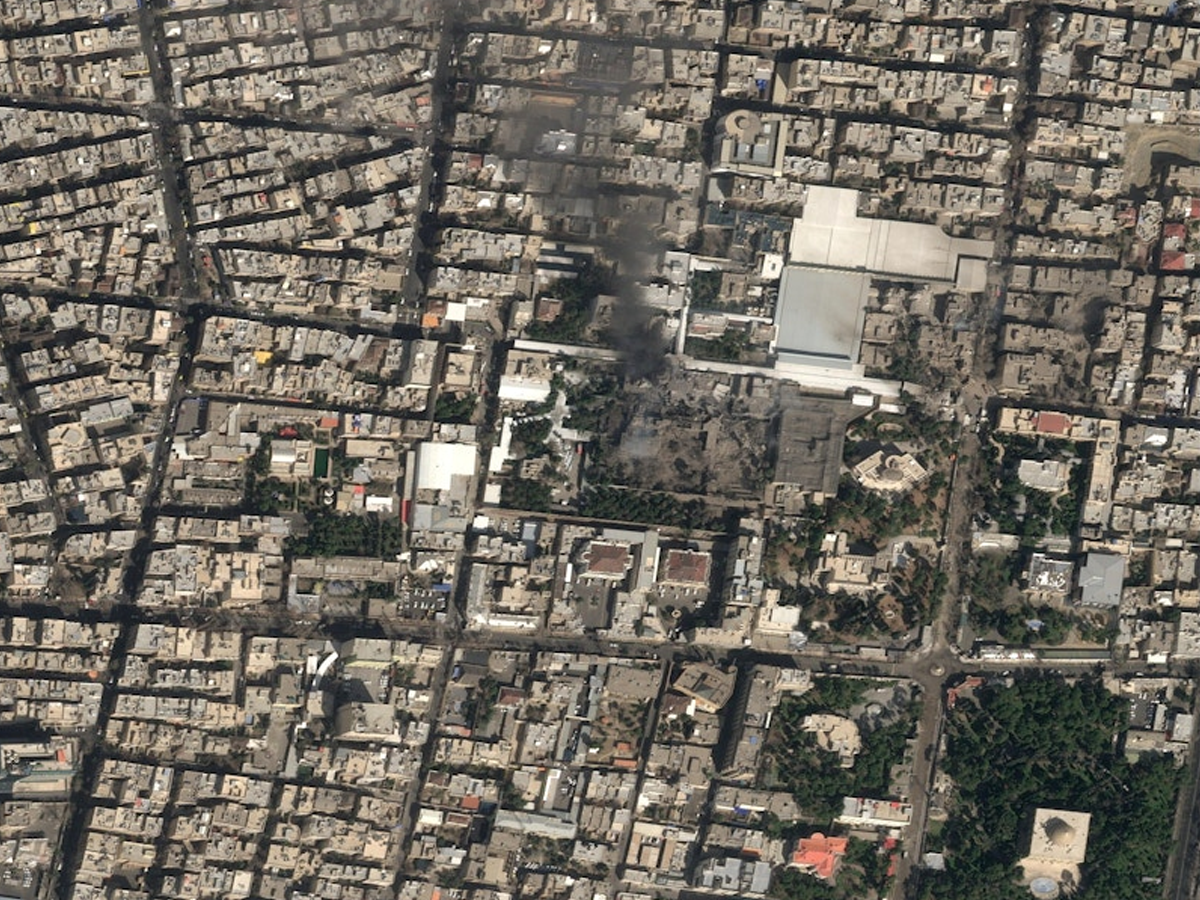
Israeli Prime Minister Benjamin Netanyahu stated in a video address that there were strong indications the Iranian leader was no longer alive. He also claimed that senior commanders of the Islamic Revolutionary Guard Corps (IRGC) and key nuclear officials were eliminated.
Netanyahu warned that military operations against Iran would continue “for as long as necessary,” signaling the possibility of further strategic strikes in the coming days.
שבוע טוב, אחיי ואחיותיי, אזרחי ישראל.
הבוקר יצאנו, ישראל וארה״ב, למבצע משולב להסרת האיום הקיומי על ישראל מצד משטר האייתולות באיראן.
אמרתי לכם: המבצע יימשך ככל הדרוש, ונדרש גם אורך רוח.
אני מודה לידידי, הנשיא דונלד טראמפ, על מנהיגותו. שוחחתי איתו שוב הבוקר ואני מברך על שיתוף… pic.twitter.com/9u0Hm9Vmng
— Benjamin Netanyahu – בנימין נתניהו (@netanyahu) February 28, 2026
U.S. President Donald Trump asserted that American intelligence agencies, working in coordination with Israel and utilizing advanced surveillance systems, played a decisive role in the operation.
He described the moment as a “critical opportunity” for the Iranian people and indicated that further military measures could proceed until strategic objectives are fulfilled. Trump emphasized that U.S. actions would persist until regional stability is secured.
Iranian sources reported that the broader wave of attacks resulted in 201 civilian deaths and 747 injuries. News agencies also indicated that Iran’s Defense Minister Amir Nasirzadeh and IRGC chief Mohammad Pakpour were among those killed.
Ali Shamkhani, Representative of the Leader in the Supreme Defense Council, and Major General Mohammad Pakpour, commander-in-chief of the Islamic Revolution Guards Corps (IRGC), were martyred in the US-Israeli attack against Tehran on Saturday. pic.twitter.com/5GKPuPdoEz
— IRNA News Agency ☫ (@IrnaEnglish) March 1, 2026
Ayatollah Ali Khamenei had served as Iran’s Supreme Leader since 1989, succeeding Ayatollah Ruhollah Khomeini, and remained the country’s highest political and religious authority for more than three decades.
Following the announcement of his death, sacred shrines in Iraq illuminated red lights a symbol traditionally associated with martyrdom and revolution. The lights were briefly turned off before being replaced with red illumination, marking a solemn gesture of mourning and solidarity.
The symbolic display underscored the broader emotional and political reverberations of the event across the region.