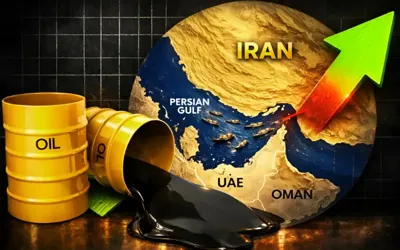
Oil prices continued to climb as concerns persisted over the closure of the Strait of Hormuz and its impact on global energy supplies.
The global benchmark Brent crude rose by as much as 3 percent on Sunday, briefly moving above $106 per barrel before easing slightly early Monday. As of 04:30 GMT, prices stood at $104.63 a barrel, roughly 1.5 percent higher on the day.
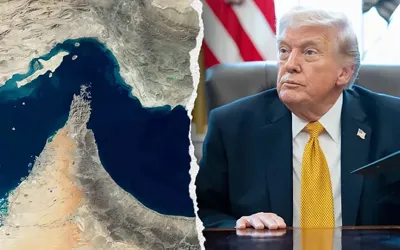
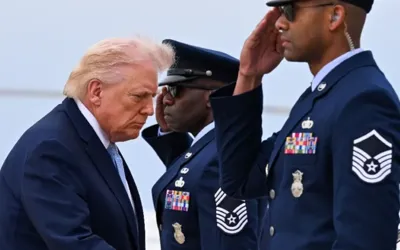
The increase followed remarks from Donald Trump, who urged other nations to join the United States in efforts to reopen the strategic waterway. The strait normally carries about one-fifth of the world’s oil supply, making it one of the most critical routes for global energy trade.
Countries mentioned by Trump including China, Japan, France and the United Kingdom have not publicly committed to sending naval forces to secure the passage.
In an interview with Financial Times, Trump said that the future of NATO could be “very bad” if his proposal receives no support or is rejected.
Meanwhile, Japan and Australia said Monday that they currently have no plans to deploy ships to the area.
Trump has repeatedly said he is willing to deploy the US Navy to escort commercial shipping through the strait, which is bordered by Iran, Oman and the United Arab Emirates, if necessary.
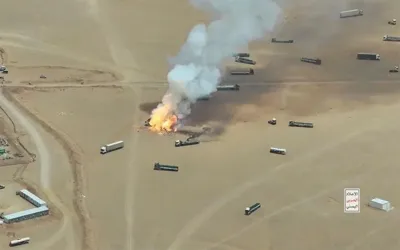
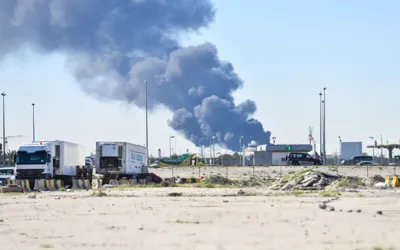
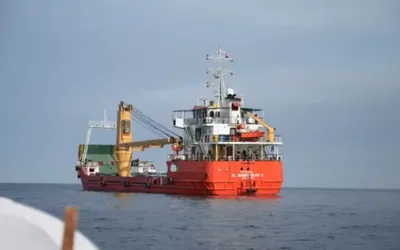
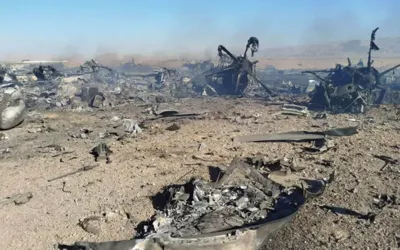
Shipping through the Strait of Hormuz has largely stopped after Iran moved to block the route in response to strikes carried out by the United States and Israel. The disruption has been described by the International Energy Agency as the largest shock to global energy supplies on record.
Since the conflict began, oil prices have surged more than 40 percent, driving up fuel costs and increasing concerns about potential damage to the global economy.