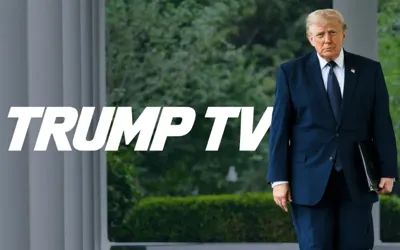
The Senate on Thursday agreed to debate a war powers resolution aimed at curbing President Trump’s use of military force in Venezuela, with five Republicans joining Democrats in a rare bipartisan rebuke of the White House.
The 52-to-47 vote set the stage for a vote now expected next week on a measure that would force Mr. Trump to seek congressional authorization for continued U.S. military operations in Venezuela.
The Senate on Thursday agreed to debate a war powers resolution aimed at curbing President Trump’s use of military force in Venezuela, with five Republicans joining Democrats in a rare bipartisan rebuke of the White House.
The vote on a procedural measure to advance the war powers resolution was 52 to 47, as five of Trump’s Republicans voted with every Democrat in favor of moving ahead. One Republican senator did not vote.
The vote took place days after U.S. forces captured Venezuelan President Nicolas Maduro in a dramatic military raid in Caracas on Saturday. The rebuke for Trump, a day after senior Cabinet members briefed every member of Congress about its Venezuela policy, marked a shift in the 100-member Senate.
It was a significant victory for lawmakers who have been arguing that Congress, not the president, should have the power to send troops to war, as spelled out in the Constitution.
Even if it passes the Senate, the resolution must also pass the Republican-led House of Representatives and garner two-thirds majorities in both the House and Senate to survive an expected Trump veto.
Trump’s Republicans had blocked two previous attempts to advance similar resolutions in the Senate last year, as the administration ramped up military pressure on Venezuela with attacks on boats in the southern Caribbean and eastern Pacific.
However, the vote blocking the last resolution in November was only 51-49, just after top Trump advisers told lawmakers they did not plan to change the government or conduct strikes on Venezuelan territory.
While the resolution has little chance of being enacted or imposing any constraint on Mr. Trump, it was a rare assertion of congressional authority over the president’s war powers. It also reflected worries in Mr. Trump’s own party about his bellicose and seemingly open-ended action in Venezuela, undertaken with no consultation or authorization by Congress.