Dhaka: Tarique Rahman, the acting chairman of the Bangladesh Nationalist Party (BNP) and a key opposition figure, returned to Bangladesh on Thursday after nearly 17 years in self-imposed exile, marking a pivotal moment in the country’s volatile political transition.
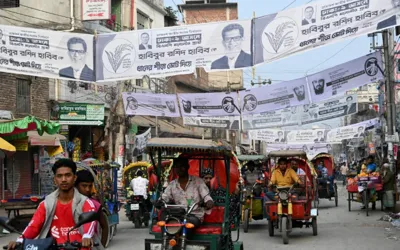
Rahman, 60, arrived in Dhaka from London, where he had lived since 2008 after fleeing what he described as politically motivated persecution. Hundreds of thousands of BNP supporters lined the route from the capital’s airport to a reception venue, waving party flags and chanting slogans as senior party leaders welcomed him under tight security.
Dressed in a light grey chequered blazer and white shirt, Rahman waved to cheering crowds, smiling as he made his first public appearance on Bangladeshi soil in nearly two decades. The BNP said it aimed to mobilise up to five million supporters in the capital to mark what it called an “unprecedented” homecoming.
Rahman is widely viewed as the frontrunner for prime minister ahead of February’s general election and is expected to formally take over leadership of the BNP from his mother, former Prime Minister Khaleda Zia, who has been critically ill for months.
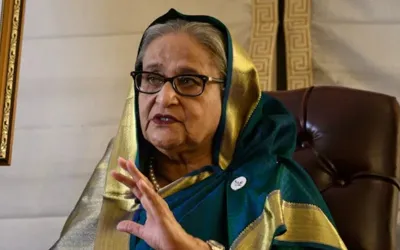
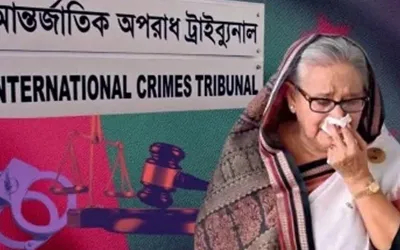
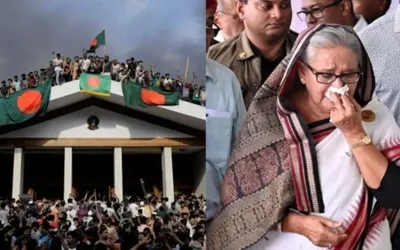
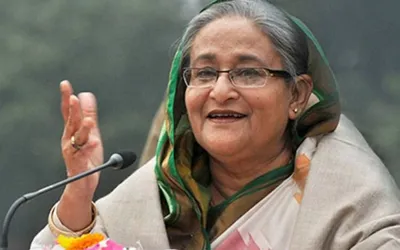
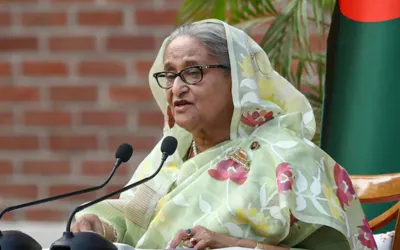
His return comes amid a dramatically altered political landscape following the 2024 ouster of longtime leader Sheikh Hasina in a student-led uprising. With Hasina’s Awami League barred from participating in the upcoming election, the BNP has regained momentum after years on the political sidelines.
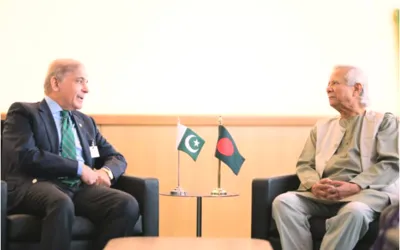
Observers say Rahman’s comeback fills a leadership vacuum within the BNP at a time of uncertainty. Bangladesh is currently governed by an interim administration led by Nobel laureate Muhammad Yunus, whose government has struggled to restore stability and law and order amid lingering influence from the previous regime within state institutions.
Rahman had been unable to return for years due to multiple criminal convictions handed down in absentia, including charges of money laundering and involvement in an alleged plot to assassinate Hasina. Those convictions were overturned after Hasina’s removal from power, clearing the way for his return.
He initially left Bangladesh for medical treatment after alleging he was tortured while in custody during the military-backed government that ruled from 2006 to 2008.
A recent survey by the US-based International Republican Institute suggests the BNP is on track to win the largest number of parliamentary seats, with Islamist party Jamaat-e-Islami also contesting the polls. Meanwhile, Hasina’s Awami League has threatened unrest, raising concerns about possible disruption to the election process.
With Bangladesh heading toward a high-stakes election amid sporadic violence and attacks on media outlets, Rahman’s return is being seen as a defining moment for both the BNP and the country’s fragile democratic transition.