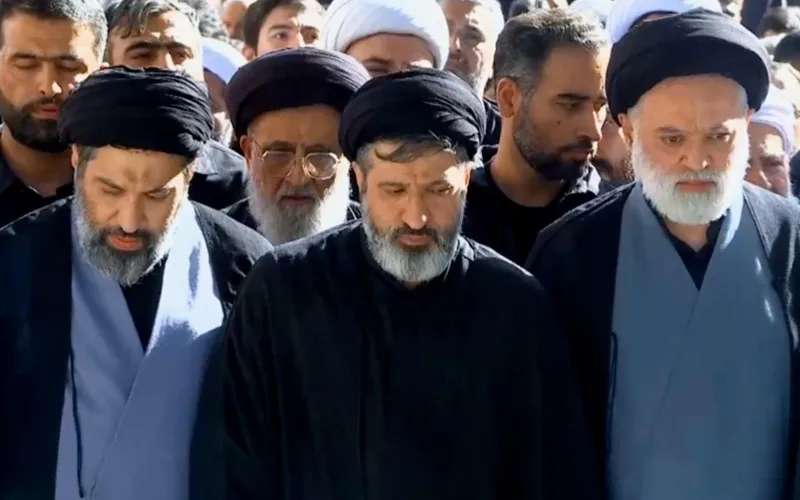
Tehran witnessed a large public outpouring of grief on Sunday as tens of thousands of mourners gathered for the funeral ceremonies of Iran’s slain Supreme Leader Ayatollah Ali Khamenei and several members of his family.
The ceremony brought together senior state officials, military personnel, religious leaders, and civilians at the Imam Khomeini Grand Mosalla, where prayers were held over multiple coffins in a highly emotional atmosphere.
Three sons of Khamenei Mostafa, Meysam, and Masoud were seen offering prayers beside the coffins, while state media broadcast extensive coverage of the gathering at the religious complex.
Mojtaba Khamenei, widely reported as a potential successor to the late leader, was notably absent from the ceremony. No official images or public appearances of him were reported during the event.
Read More: Iran praises Pakistan’s presence at funeral of Ayatollah Ali Khamenei
Media reports suggest he may have been injured in the February 28 airstrike that killed Ayatollah Ali Khamenei and other family members during the early phase of the Iran conflict involving the United States and Israel.
The ceremony drew a significant number of mourners, including soldiers, students, and civilians, many of whom expressed grief and participated in chants directed against the United States and Israel.
The event lasted longer than scheduled due to the high turnout, while state media reported heavy movement across Tehran as citizens travelled to the capital to attend the proceedings.
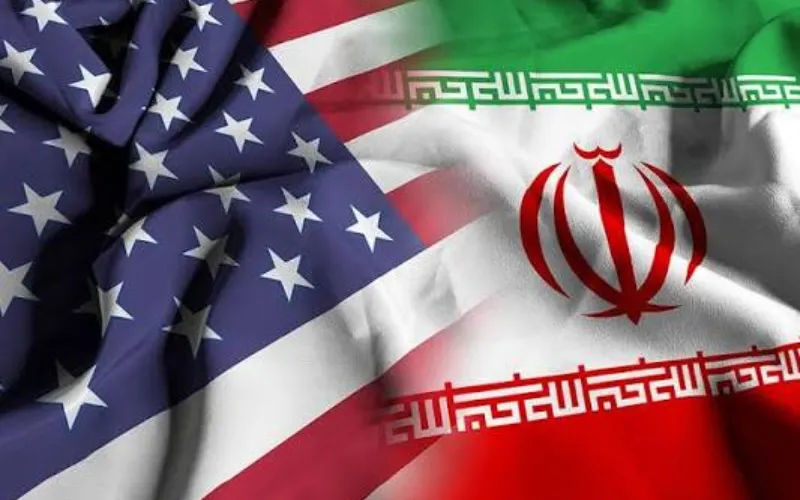
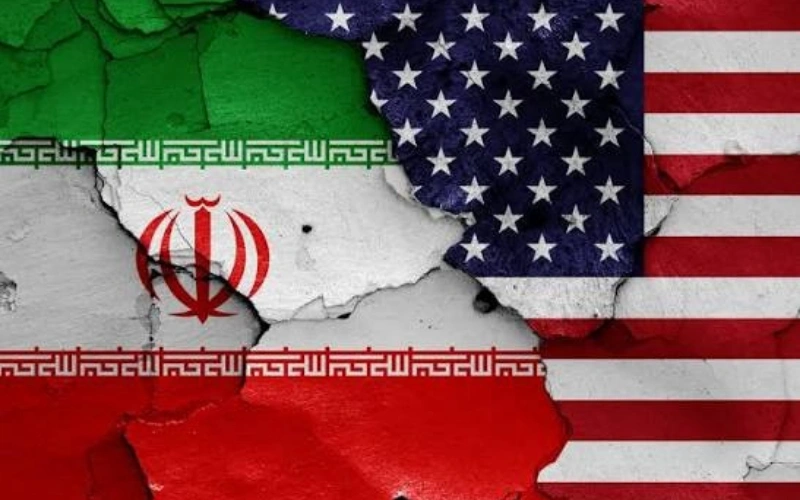
Ayatollah Ali Khamenei and several members of his family were killed in an airstrike on February 28 during an escalation of hostilities involving Iran, the United States, and Israel. The conflict lasted several weeks before a fragile ceasefire was reached.
The war resulted in heavy casualties among Iranian political and military leadership and caused widespread infrastructure damage. Iran also claimed retaliatory strikes on U.S. bases in the region during the fighting.
Iranian authorities have announced a week-long series of funeral processions. Following the Tehran ceremony, the remains are expected to be transported to Qom, then to Iraq’s Najaf and Karbala, before returning to Iran for further ceremonies in Mashhad.
Officials said extensive arrangements, including transport and accommodation, have been prepared to facilitate large public participation in the upcoming events.
The funeral takes place amid a temporary pause in Iran–U.S. diplomatic engagement, with broader discussions on sanctions relief and frozen assets expected to resume after the mourning period.
Authorities described the ceremony as a display of national unity and public solidarity during a sensitive period of regional tension.