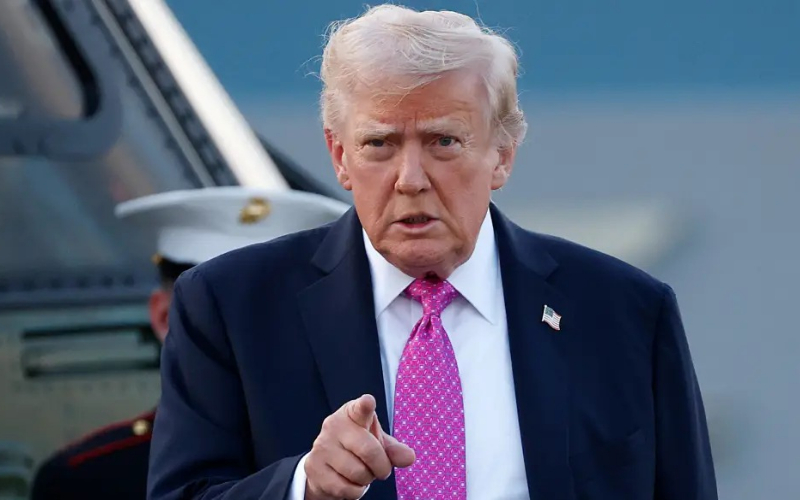
WASHINGTON: President Donald Trump said late Saturday he has agreed to call off a planned military strike against Iran, pending a rapid agreement that would halt Tehran’s nuclear ambitions and fully reopen the strategic Strait of Hormuz to international shipping.
In a post on his Truth Social platform, Trump wrote that Iran and “other Middle Eastern Countries” had requested time to finalize a deal. That agreement, he said, would lead to “the Immediate, Complete and Total” reopening of the strait and “an end to Iran’s nuclear threat.”
“Based on this request, I have agreed, for the future benefit of the WORLD and, likewise, the survival of a successful and prosperous Iran, to cancel the attack, subject to being able to rapidly make a DEAL,” Trump wrote.
The president added that Israel “joins me in this commitment.” There was no immediate public comment from Israeli officials.
The announcement came as Iran warned the U.S. against any “adventurous action” and vowed a decisive response to any American strikes on Iranian targets. Iranian Foreign Minister Abbas Araqchi conveyed the warning in separate phone calls Saturday with senior officials in Turkey, Pakistan and Saudi Arabia, according to posts on his Telegram account.
Araqchi told Pakistan’s Army Chief Field Marshal Asim Munir and Turkish Foreign Minister Hakan Fidan that Iran would respond decisively to any “aggression” and discussed the consequences of what he called “destabilizing actions” by the United States, as well as prospects for heightened regional insecurity.
In a later call with Saudi Foreign Minister Prince Faisal bin Farhan, Araqchi said any attacks by the U.S. and Israel — or participation by regional countries in such actions — would be met with a “proportionate response.”
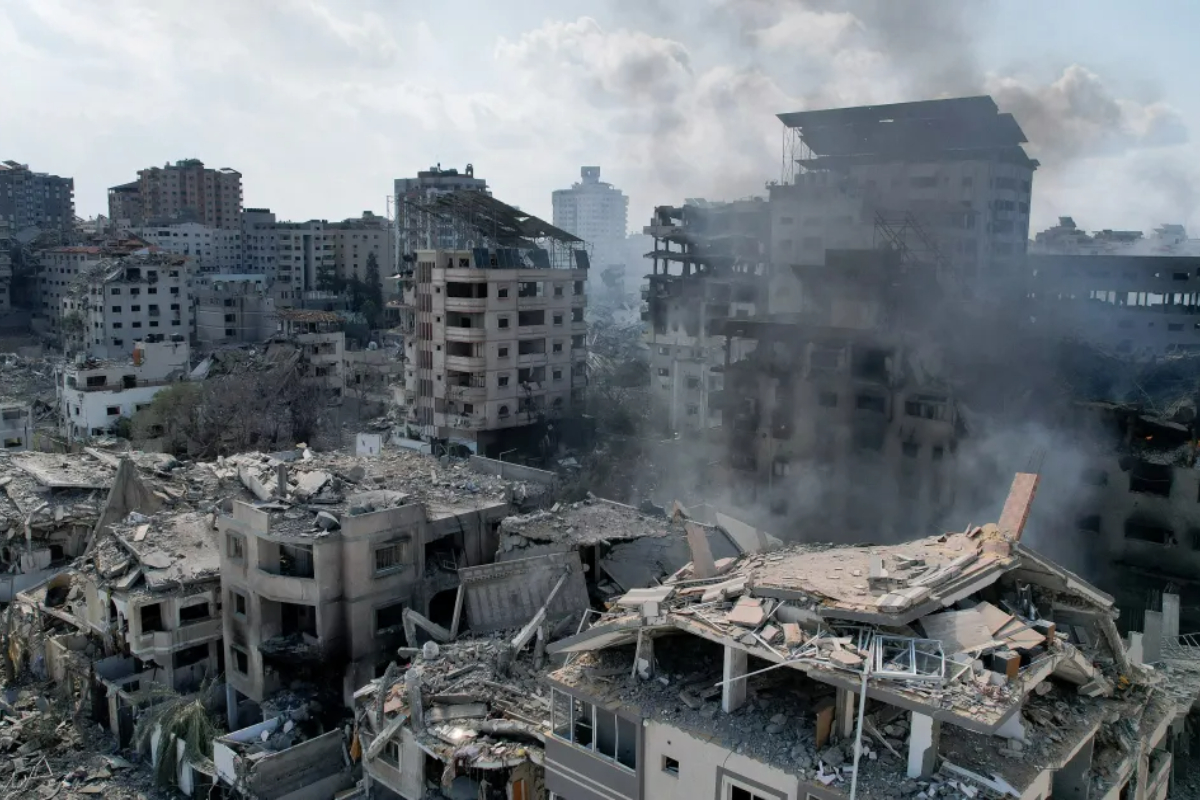
The calls came just hours after Kuwait’s army said it had destroyed hostile drones launched by Iran against several vital facilities. A government installation in northern Kuwait and civilian property on Bubiyan Island were hit Saturday, with falling shrapnel causing material damage but no casualties, according to the Kuwaiti military.
Saudi Crown Prince Mohammed bin Salman spoke with Trump on Saturday and “expressed concern and asked for clarity” about U.S. plans for Iran, a U.S. official told Axios. A White House official confirmed the call to Reuters but did not provide details.
Nournews, a media outlet affiliated with Iran’s top security body, reported Saturday that U.S. attacks on Iranian energy infrastructure would prompt Iranian strikes on oil fields in Saudi Arabia and the United Arab Emirates, as well as gas fields in Qatar and Israel, saying all “will be burned to ashes.”
At a cabinet meeting Friday at the Camp David presidential retreat, Trump said he believed U.S. negotiators — including his son-in-law Jared Kushner, special envoy Steve Witkoff and Secretary of State Marco Rubio — could still reach a deal with Iran. But he also expressed growing frustration with Tehran.
“They break their word so often,” Trump said, echoing a charge Iran has frequently leveled at Washington. He added that he would be “hitting them” if diplomacy failed.
Strait of Hormuz Disruption
Oil prices have remained elevated since U.S. and Israeli forces launched strikes on Iran on Feb. 28. Trump has argued that preventing Iran from acquiring nuclear weapons justifies higher fuel costs in the near term, but rising prices have intensified political pressure on his administration to find a path to end the conflict.
Benchmark Brent crude futures rose 24% in July, and analysts polled by Reuters expect prices to climb further this year.
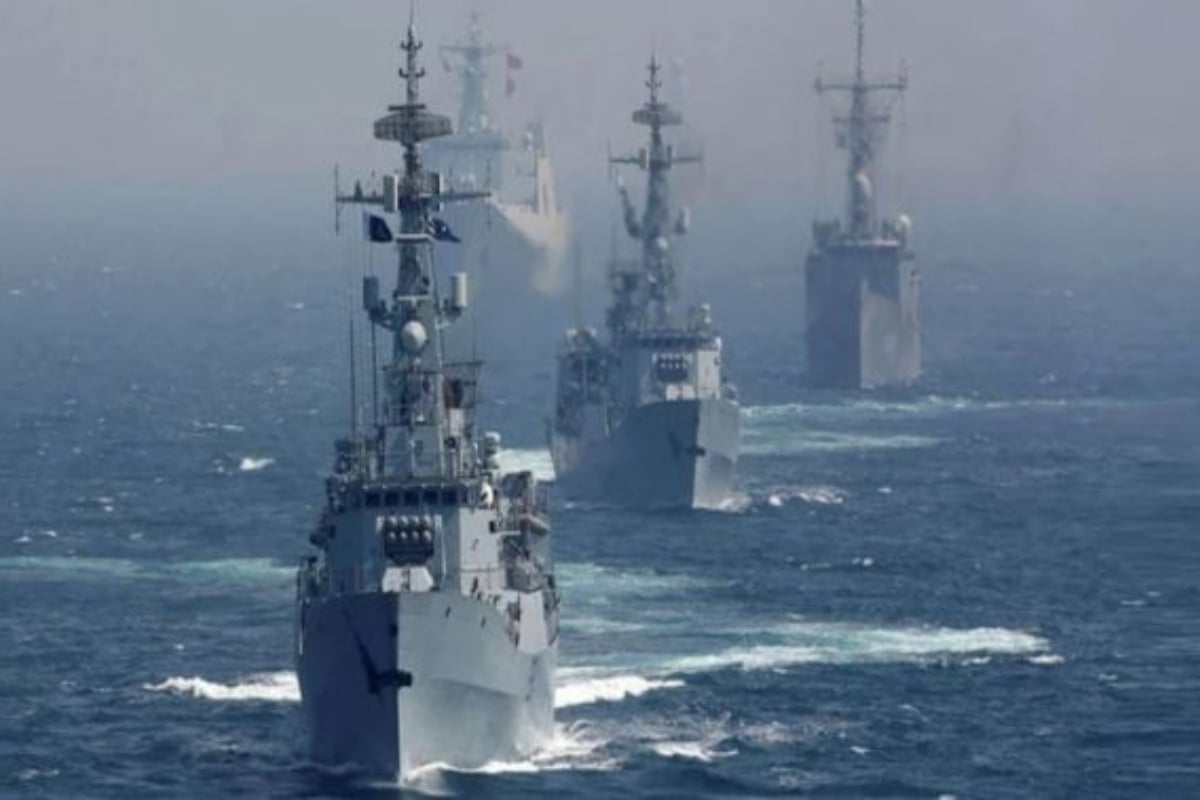
The threat of Iranian attacks has deterred most shipping through the Strait of Hormuz, a critical chokepoint for global energy supplies, since the conflict began, sending shockwaves through the world economy. Adding to industry concerns, Iran’s Houthi allies in Yemen have recently begun threatening the Bab el-Mandeb strait, another key export route for Saudi crude at the southern end of the Red Sea.
The United Kingdom Maritime Trade Operations reported Saturday that it had received reports of two maritime incidents off Oman. In one, a tanker was struck by an unknown projectile that damaged the engine room. In the other, the master of a tanker reported seeing a large splash and an explosion near the vessel, though no damage was reported.