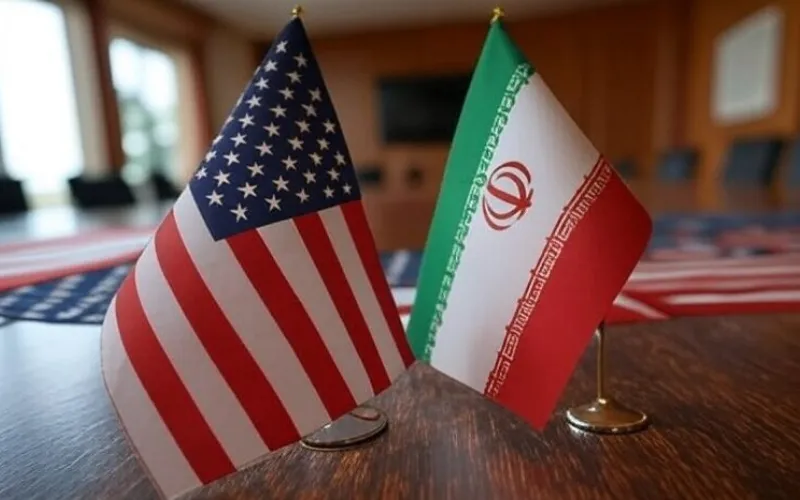
GENEVA: Negotiations between the United States and Iran on a pact to end the Middle East conflict will not take place Friday in Switzerland, Swiss officials confirmed, after Vice President JD Vance canceled plans to travel to Geneva, casting new uncertainty over the durability of a fragile truce, Reuters reported.
“The logistics of these negotiations have never been simple or predictable,” a White House spokesperson said in a statement Thursday night. Vance and the U.S. delegation had been ready to depart as soon as plans were finalized, the spokesperson added.
Switzerland’s Foreign Ministry confirmed the talks, scheduled for the mountaintop resort of Bürgenstock, would not proceed but offered no further details.
There was no immediate response from Tehran. Earlier this week, Iranian officials had signaled readiness to begin technical talks following a 14-point accord reached Wednesday that extended a tenuous ceasefire by at least 60 days.
However, Iran’s semi-official Tasnim news agency reported before Vance’s announcement that Iranian negotiators first needed to see signs of U.S. implementation of the interim deal and that there was no confirmation its delegation would travel to Geneva.
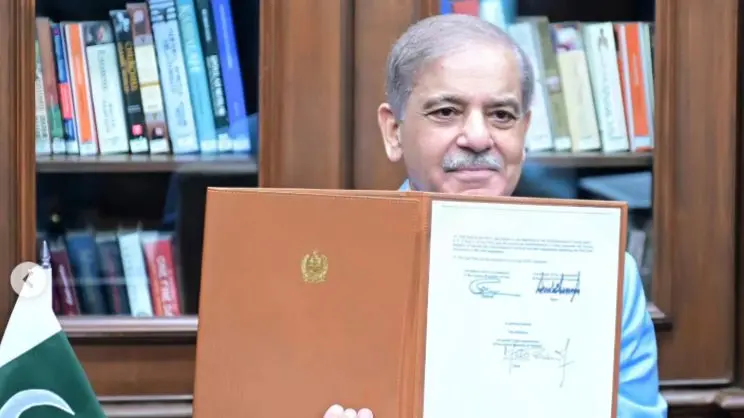
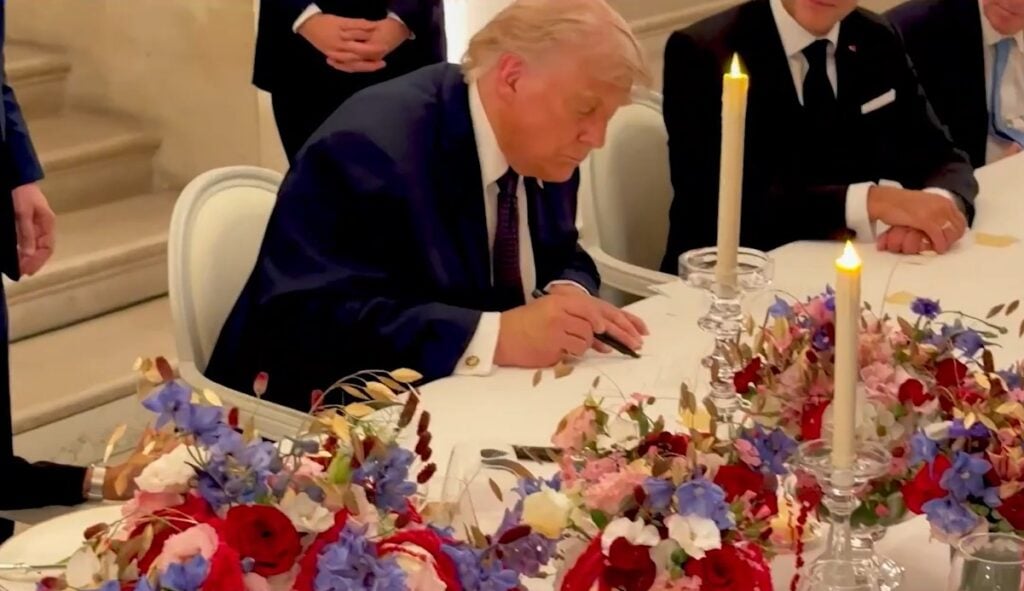
U.S. officials had said they would hold a formal signing ceremony for the agreement in Switzerland, but Iran’s Foreign Ministry cast doubt on that plan, calling it unnecessary after both countries’ presidents signed the pact.
The war, which began Feb. 28 with U.S. and Israeli air strikes on Iran, has killed at least 7,000 people, sent energy prices soaring and roiled global markets.
Israel, excluded from the peace talks, has distanced itself from the U.S.-Iran accord and continued fighting against the Iranian-allied Hezbollah militant group in Lebanon, raising questions about whether the agreement will hold.
In Washington, some of President Donald Trump’s Republican allies in Congress questioned whether he had conceded too much to end a conflict unpopular with most Americans ahead of November’s midterm elections. Trump had vowed to end the war only with Iran’s “UNCONDITIONAL SURRENDER.”
Instead, the memorandum signed with Iran provides relief from economic sanctions, unfreezes tens of billions of dollars in assets and grants immediate U.S. waivers for Iranian oil exports.
Iran’s Supreme Leader Ayatollah Mojtaba Khamenei said Trump signed the deal “out of desperation” and signaled that upcoming talks over Iran’s nuclear program, among Trump’s stated reasons for starting the war, would not be easy.
“If the American side wants to be too demanding, we will not accept it,” Khamenei said in a statement.
The deal gives negotiators 60 days to agree on the status of Iran’s nuclear program, unless an extension is approved, and establishes a $300 billion reconstruction fund for Iran along with other financial incentives.
Vance said Washington would also seek to limit Iran’s long-range missiles.
The growing cost of the war drew scrutiny as the Defense Department told lawmakers it needed $80 billion to cover costs and some unrelated bills, The Wall Street Journal reported.
Oil prices dipped Friday as prospects brightened for more supply after tankers began moving through the reopening Strait of Hormuz, which had carried nearly a fifth of global crude oil and liquefied natural gas supplies before the war.
In Lebanon, where more than 1 million people have been displaced, fresh Israeli strikes Friday killed at least 15, the state-run National News Agency reported. Israel said the strikes targeted Hezbollah positions.
The attacks raised doubt about how far Trump will go to force his wartime ally to halt an offensive he has now pledged to end. The deal calls for “permanent termination” of the war in Lebanon, but Israel has said it has no intention of withdrawing and has depicted an expanded occupation zone in a new map.
Trump has become openly critical of Israel’s operations in Lebanon, opening one of the biggest rifts between the two countries in decades.