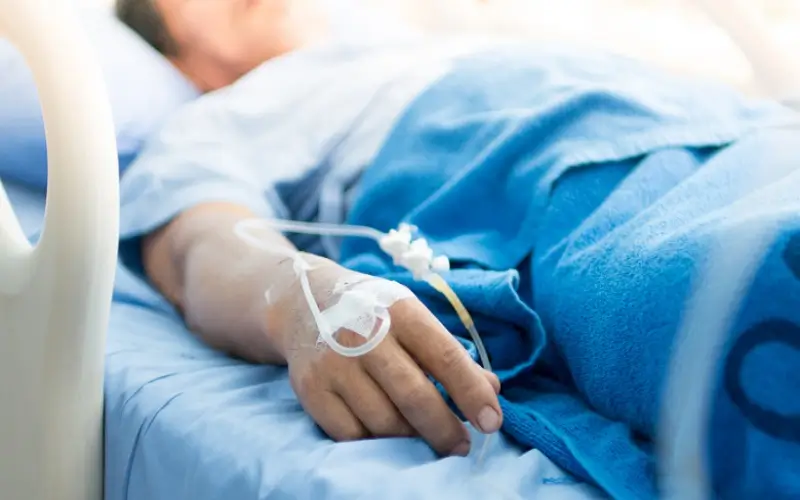
Nearly four out of every ten cancer cases around the world could be prevented if people avoided certain major risk factors, including smoking, alcohol consumption, air pollution and some infections, the World Health Organization (WHO) said.
According to new research released ahead of World Cancer Day, about 38 percent of all new cancer cases worldwide in 2022, equal to around 7.1 million cases were linked to causes that can be prevented. The study was carried out by a large group of scientists, including experts from the WHO’s International Agency for Research on Cancer.
The researchers studied 30 different factors that increase the risk of developing cancer. Tobacco use was found to be the biggest cause, responsible for 15 percent of all new cancer cases. This was followed by cancer-causing infections, which accounted for 10 percent, and alcohol consumption, which caused 3 percent of cases. Other factors included obesity, lack of physical activity, ultraviolet radiation and exposure to harmful substances such as asbestos at work.
Andre Ilbawi, the WHO’s lead for cancer control and a senior author of the study, said this is the first global research to clearly show how much cancer risk comes from causes that people can avoid.
The study found that almost half of all preventable cancer cases were lung, stomach or cervical cancer. Lung cancer was mainly linked to smoking and air pollution, while stomach cancer was largely caused by a bacteria known as Helicobacter pylori. Cervical cancer cases were mostly caused by the human papillomavirus (HPV), which can be prevented through vaccination.
Men were found to be more affected by preventable cancers than women. About 45 percent of new cancer cases in men were linked to preventable causes, compared to 30 percent in women. Smoking alone caused nearly one-quarter of preventable cancer cases among men, while the figure for women was 11 percent.
To reduce cancer cases, researchers urged governments to strengthen tobacco and alcohol control policies, improve air quality, promote vaccination against infections such as HPV, and ensure safer workplaces. They also stressed the importance of healthy diets and regular physical activity.
Katie Dain, CEO of the NCD Alliance, said that reducing cancer cases also requires tackling other non-communicable diseases. She added that tobacco, alcohol, unhealthy processed foods and poor air quality are major contributors to many types of cancer.