KARACHI: The textile industry and six allied sector associations have submitted joint budget proposals for the 2026-27 fiscal year, urging the government to reduce customs duties and eliminate anti-dumping duties on polyester staple fiber (PSF), a key raw material.
In their proposals, the industry groups said the existing 7% customs duty, coupled with anti-dumping duties of up to 11.51% on imports from China and up to 12.47% on imports from Chinese Taipei, Indonesia and Thailand, has severely distorted Pakistan’s domestic market. As a result, Pakistan remains overly reliant on cotton-based exports despite rapid growth in the higher-value global market for man-made fibers (MMF).
The effective tax burden on Pakistani exporters, the associations said, is significantly higher than in competing economies. While the statutory corporate income tax rate is 29%, exporters also face additional levies including the super tax, Workers’ Welfare Fund, Workers’ Profit Participation Fund and PESSI contributions. That raises the effective tax rate for exporters to 68.27%, partly due to a 2% advance tax on turnover, according to the joint proposals.
The groups noted that the shift of exporters from the final tax regime to the minimum tax regime has harmed competitiveness and export viability. Exporters currently pay 1% minimum tax as advance tax under Section 154 and an additional 1% advance tax under Section 147 a combined burden that severely strains cash flow. By contrast, manufacturers in the domestic textile trade pay only 1.25% advance tax.
Exports rebound 21% in April
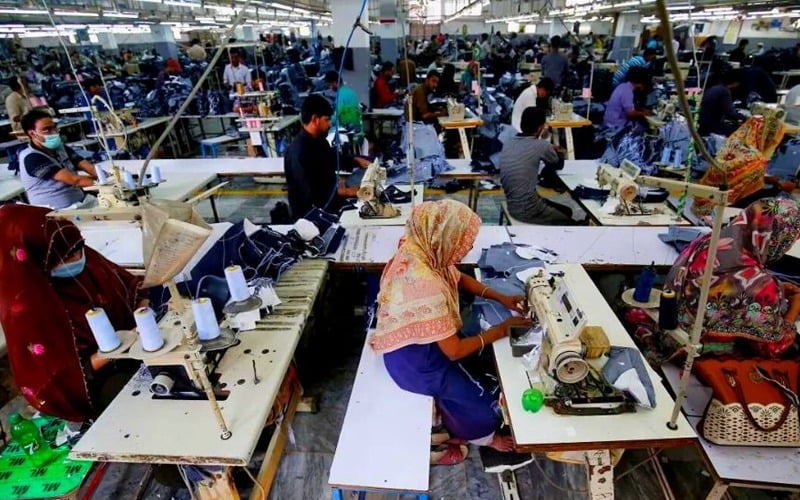
Pakistan’s textile and clothing exports rose 21.27% in April compared with the same month last year, according to industry analysts who attributed the rebound to stronger demand in key international markets, particularly for garments, knitwear and home textiles. Improved supply chain stability and a gradual recovery in global retail consumption have also supported growth.
Exporters continue to face headwinds including volatile energy costs, currency fluctuations and rising input prices. Despite those pressures, the sector has sustained a positive growth trajectory. Stakeholders say sustained policy support, consistent energy supply and investment in value-added production will be essential to maintain the upward trend.
The textile industry remains a critical pillar of Pakistan’s economy, and the latest export growth reinforces its role in driving national employment and overseas sales.