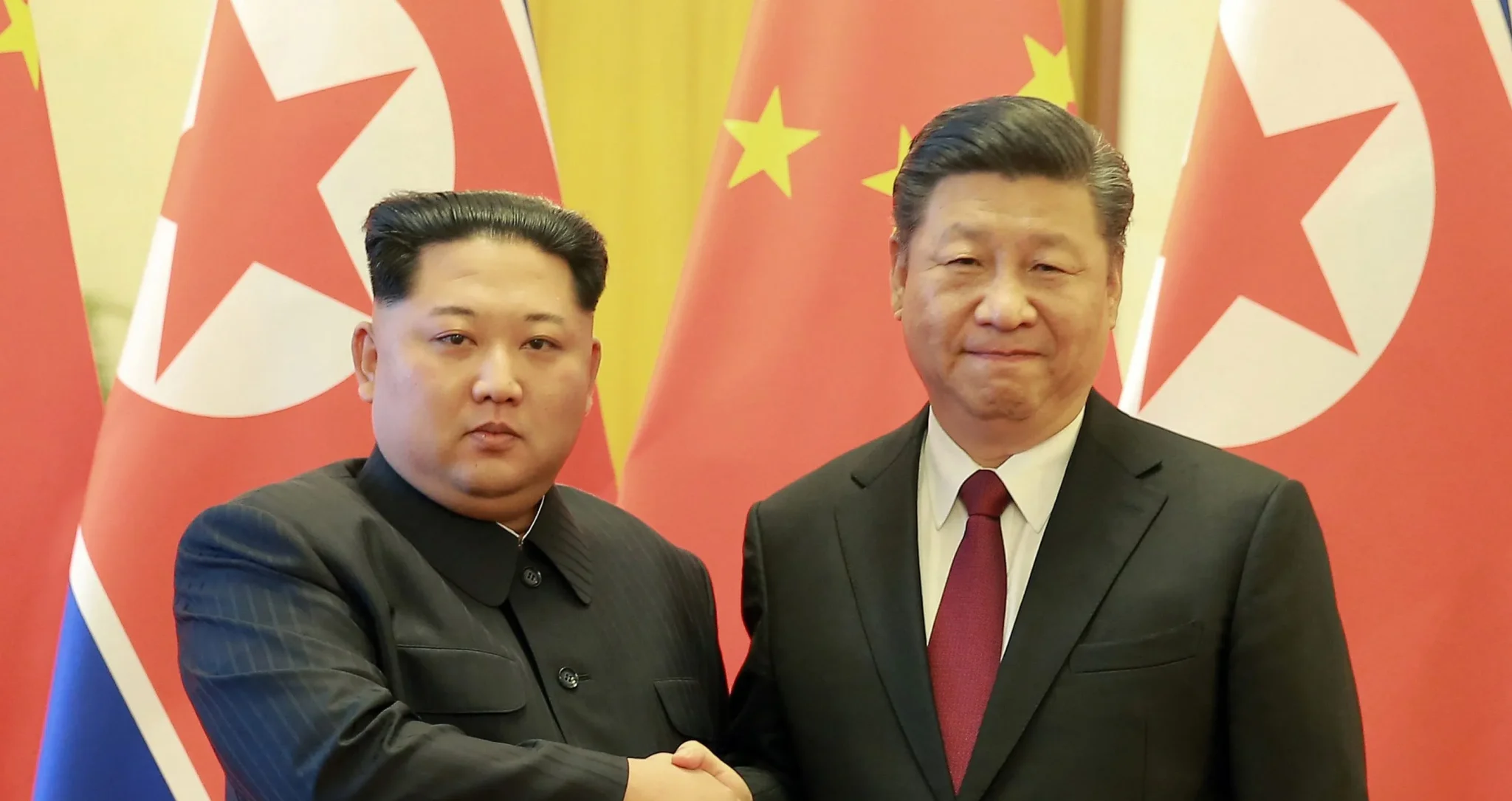
BEIJING: Chinese President Xi Jinping will travel to North Korea next week for his first visit to Pyongyang in seven years, state media reported Friday, as Beijing steps up efforts to assert itself as a global diplomatic heavyweight.
According to reports, Xi will make the official visit from June 8 to 9 at the invitation of North Korean leader Kim Jong Un, according to state broadcaster CCTV.
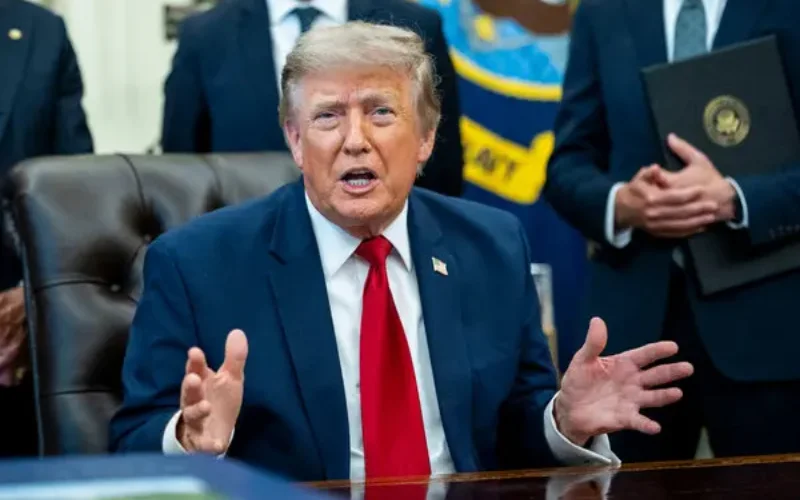
The trip marks Xi’s first travel outside China this year and follows a flurry of high-level diplomacy in Beijing, where he recently hosted summits with U.S. President Donald Trump and Russian President Vladimir Putin.
The meeting comes as Beijing seeks to reinforce its influence over its diplomatically isolated neighbor, which has increasingly leaned on Russia for economic and military support since Moscow’s 2022 invasion of Ukraine.
“China is meeting leaders from around the world, coordinating positions and playing a mediating role,” said Lim Eul-chul, a North Korea expert at South Korea’s Kyungnam University. “As China’s international standing rises, Beijing is likely seeking to draw Pyongyang more actively into its diplomatic orbit.”
China remains North Korea’s primary economic lifeline, accounting for up to 95% of the country’s total trade and 85% of its exports, according to 2022 data from the Washington-based National Committee on North Korea.
However, Pyongyang’s deepening alignment with Moscow has complicated regional dynamics. North Korea has dispatched thousands of troops and weapons to aid Russia’s war effort in Ukraine.
In return, analysts say, Moscow is providing Pyongyang with financial aid, military technology, food, and energy, allowing Kim’s regime to bypass heavy international sanctions over its banned nuclear program.
The trip will be Xi’s first to North Korea since 2019, when he and his wife, Peng Liyuan, were received with grand state honors.
Prior to that, no Chinese leader had visited Pyongyang since Hu Jintao in 2005. Xi and Kim last met in September, when Kim and Putin attended a military parade in Beijing.
Managing North Korea’s rapidly advancing nuclear ambitions remains a core interest for Beijing. On Wednesday, Kim pledged an “exponential” increase in his country’s nuclear capabilities during a visit to a new atomic facility, according to North Korean state media.
“This aspect needs to be managed,” said Hong Min, an analyst at the Korea Institute for National Unification in Seoul. “If North Korea acts in a provocative and belligerent manner, it could trigger regional conflict, which could run counter to China’s interests.”
While analysts view Xi’s active diplomacy, which has included recent visits to Beijing by Western leaders like British Prime Minister Keir Starmer and French President Emmanuel Macron, as an effort to position China as a stable alternative to the United States, experts downplay Beijing’s willingness to broker broader breakthroughs.
Hong noted that the chances of Xi facilitating a meeting between Trump and Kim remain “very low.”
South Korea’s Foreign Ministry said Friday it hopes the exchange between Beijing and Pyongyang will contribute to regional peace and stability, and that China will play a constructive role. North Korea has repeatedly rejected diplomatic overtures from Seoul, labeling South Korea its most “hostile” adversary.