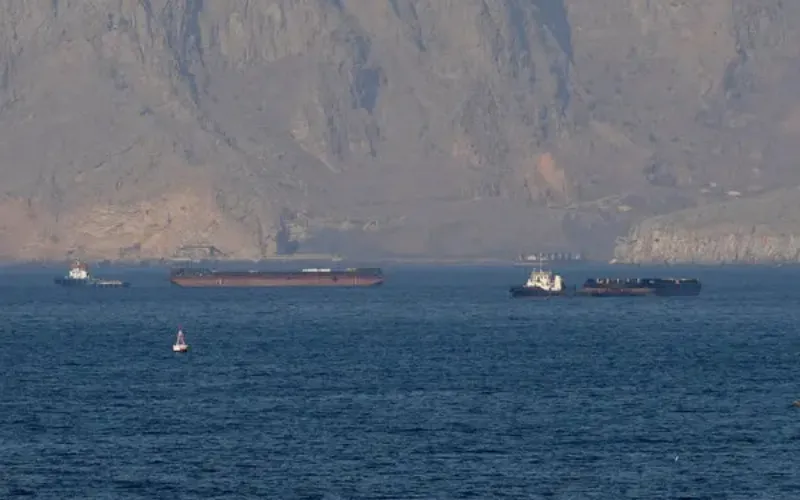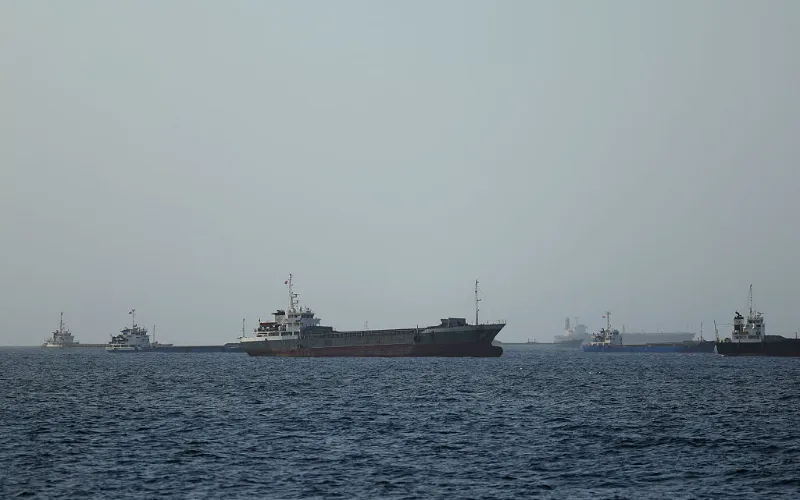
Iran said that the Strait of Hormuz is closed, citing ceasefire violations after Israel continued deadly strikes in southern Lebanon overnight.
The Islamic Revolutionary Guard Corps warned ships not to come near the strategic waterway, which used to carry about one-fifth of global oil and liquefied gas before the war. They said this was due to what they described as Israeli actions in Lebanon and a US breach of agreements related to a ceasefire there.
It was not clear whether the threat was actually carried out or whether it could affect planned talks in Switzerland on Sunday. Those talks were expected to begin turning the current temporary agreement between the US and Iran into a more detailed deal on Iran’s nuclear programme.
Donald Trump quickly announced that “NO TOLLS” would be charged on ships passing through the strait during or after the 60-day temporary ceasefire. However, in a social media post on Saturday, he also suggested the US might impose tolls if negotiations fail.
The US Central Command said the strait has not been closed. A spokesperson, Navy Capt Tim Hawkins, told Reuters that “Iran does not control the Strait of Hormuz” and that traffic is continuing normally, while US forces are monitoring the situation.
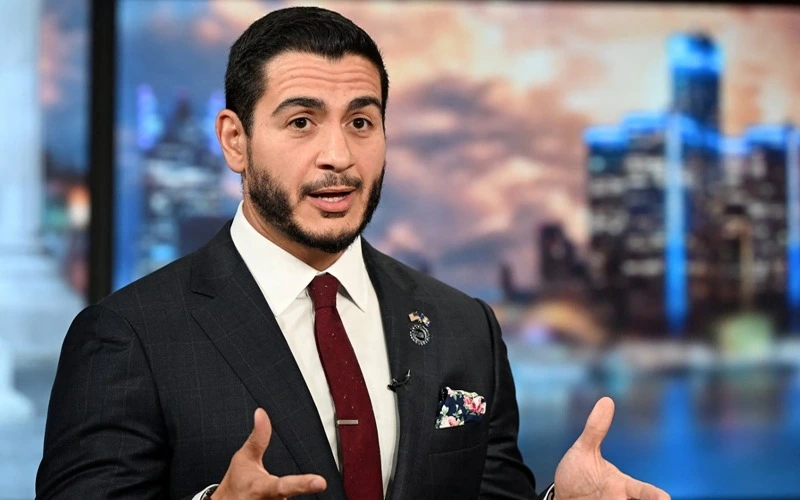
On Sunday, US Vice President JD Vance was travelling to Switzerland to join the talks. Before leaving, he said he would stay for only a day or two and hoped progress would be made on both the nuclear issue and the Lebanon ceasefire.
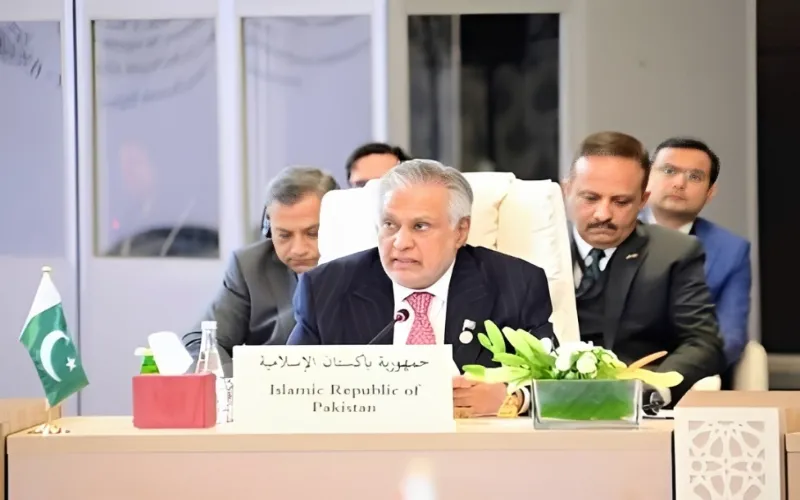
Pakistan, acting as a key mediator, said the talks would continue as planned, and reports from Tehran said Iranian officials had already left to take part.
Meanwhile, ongoing fighting in Lebanon between Hezbollah, which is linked to Iran, and Israel has become a major challenge for the new deal aimed at ending the conflict in the region.
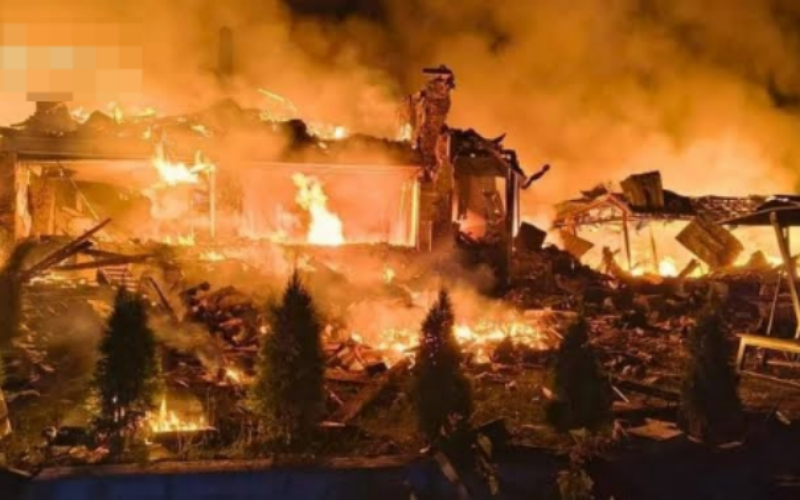
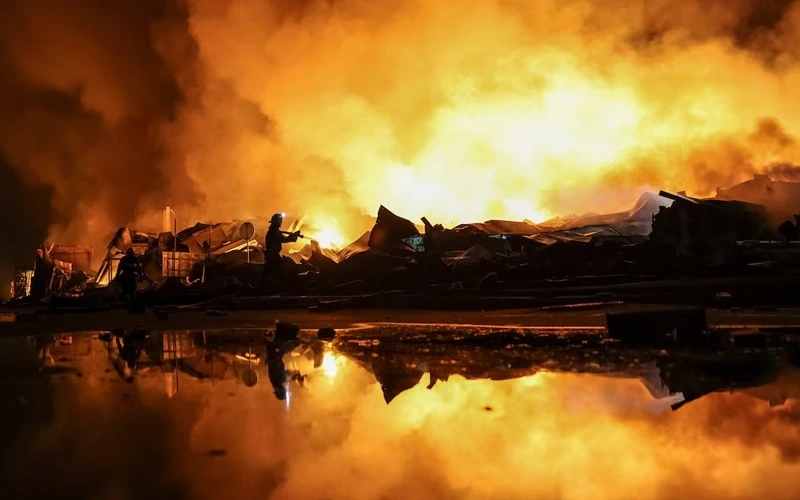
Israeli airstrikes in southern Lebanon on Saturday killed at least 16 people, according to local officials, despite reports of a renewed ceasefire intended to stop the clashes.
Lebanon’s civil defence said its teams moved 16 bodies and 12 injured people to hospitals and had been working since early morning in the Nabatieh area.
The agreement calls for an end to fighting on all sides, including in Lebanon. However, it has been strongly criticized by Israeli officials and commentators, who say it limits Israel’s ability to respond to threats from Hezbollah.
The Israeli military said it was carrying out strikes against Hezbollah targets in response to projectile attacks launched overnight by the group.