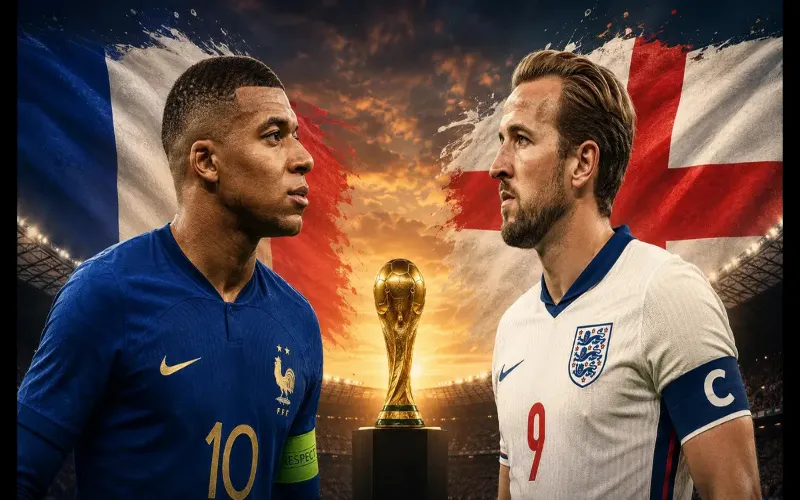
(What the 2026 FIFA World Cup Revealed About Football – and Ourselves)
Every FIFA World Cup crowns a champion. Only a few leave behind a legacy that transcends the trophy itself. The 2026 FIFA World Cup was one such tournament. For more than a month, billions around the world paused their daily routines to witness the greatest celebration of the world’s most popular sport. Nations competed with passion, supporters travelled across continents and generations united around television screens and stadiums in the hope of witnessing history.
There were moments of brilliance, moments of heartbreak, moments of controversy and moments that reminded us why football remains the universal language of humanity. Every World Cup produces champions. The truly memorable ones produce lessons.
This championship reminded us that football is far more than a contest of physical ability. It is a test of discipline under pressure, emotional resilience in adversity, leadership in moments of crisis and respect for opponents regardless of the outcome. Football exposes character with remarkable honesty. It magnifies virtues and weaknesses alike.
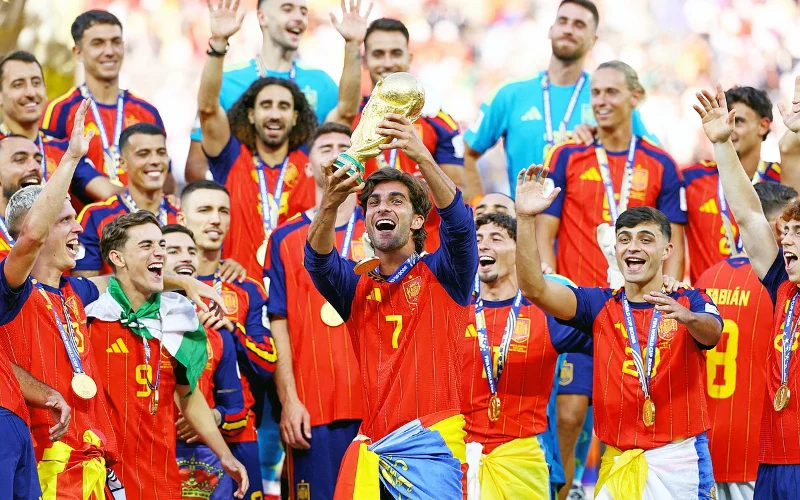
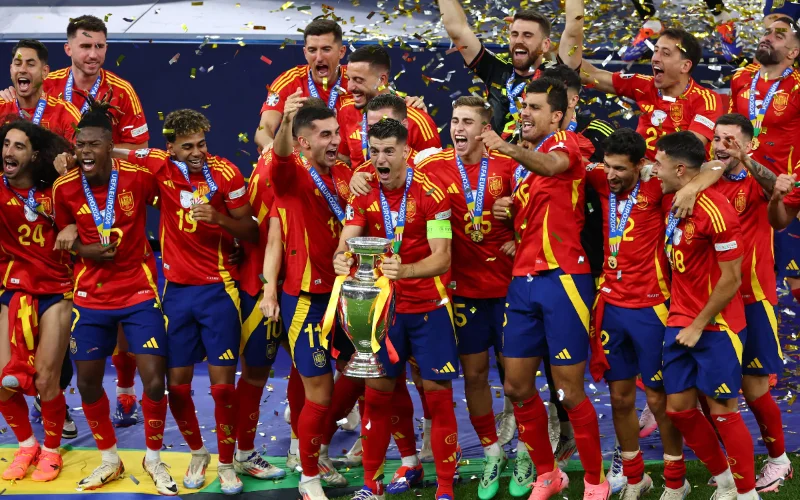
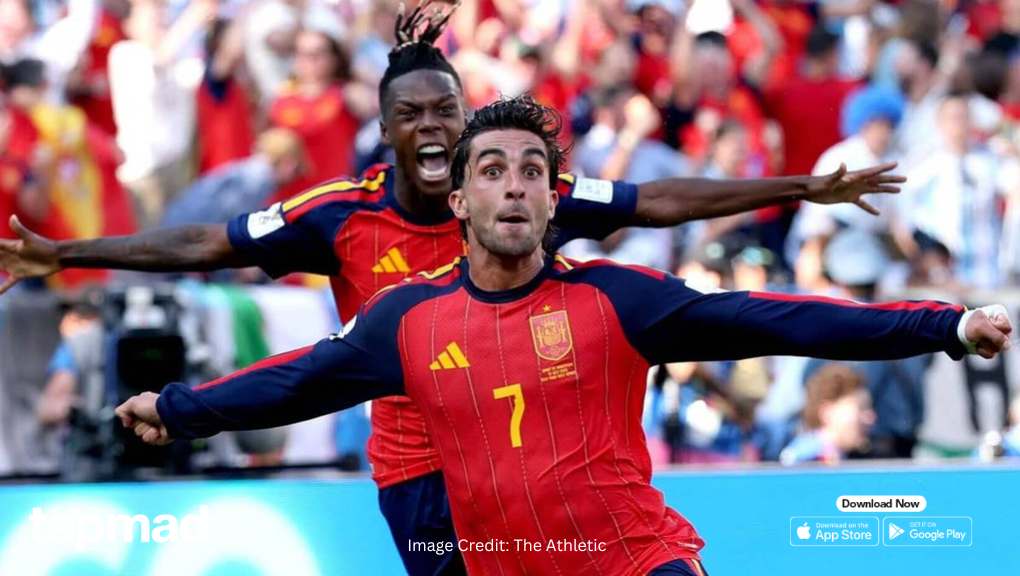
Under the intense pressure of a World Cup, pretence disappears. What remains is the true character of individuals and teams. Spain emerged as deserved World Champions. Their victory was not simply the consequence of superior technical ability. It was the culmination of a philosophy that has been patiently nurtured for years, a philosophy built upon intelligent movement, collective responsibility, technical excellence, tactical discipline and unwavering confidence in playing football the right way.
Throughout the tournament, Spain resisted the temptation to abandon their identity. They trusted possession over panic, precision over force and teamwork over individual heroics. They demonstrated that beautiful football remains not merely aesthetically pleasing but competitively effective. In an age when physicality increasingly dominates modern sport, Spain reaffirmed that intelligence, discipline and technical mastery continue to define football at its highest level.
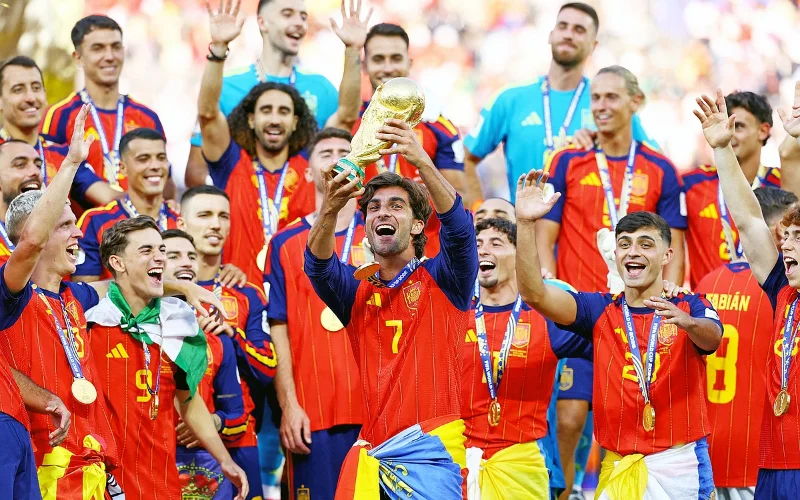
Their triumph, therefore, represented something greater than national success. It represented a victory for football itself. Yet the greatness of this World Cup cannot be measured solely by those who reached the podium. One of the enduring beauties of international football lies in its capacity to produce unexpected heroes whose achievements inspire millions despite not lifting the trophy.
Among those deserving lasting admiration were Cape Verde, Iran and above all, Egypt. Cape Verde approached every match with courage, commitment and tactical maturity. They represented African football with distinction, displaying a refreshing combination of athleticism and technical quality. Their performances reminded the world that determination often narrows the gap between established powers and ambitious challengers.
Iran similarly impressed through organisation, discipline and collective spirit. Regardless of political narratives that often surround their nation, their footballers demonstrated professionalism, resilience and unwavering commitment. Their performances deserved recognition on football merit alone.
Perhaps the most inspiring journey belonged to Egypt. Few predicted that they would progress so deep into the competition. They carried neither the weight of overwhelming expectations nor the advantage of being counted among the traditional football giants. They simply played with courage, tactical intelligence and immense national pride. Their progress to the quarter finals captured the imagination of neutral supporters across the globe.
Football has always celebrated the underdog and Egypt became the tournament’s finest example of perseverance overcoming expectation. Their campaign reminded us that success is not always measured by medals. Sometimes the greatest achievement lies in earning the admiration of those who have no allegiance other than to courage itself.
As the tournament entered its decisive phase, the contrasting nature of the two semi finals revealed two entirely different philosophies of competition. The match between England and Argentina possessed every ingredient of a modern football classic. Two proud footballing nations, immense talent on both sides and a place in the World Cup Final at stake.
Instead, large portions of the contest evolved into an unnecessarily physical confrontation. Repeated tactical fouls, excessive body contact and continuous interruptions prevented the match from developing the natural rhythm that allows great football to flourish. Instead of witnessing sustained passages of creativity, spectators found themselves watching a fragmented contest repeatedly broken by infringements.
Football has always been a physical game, and robust challenges remain part of its appeal. There is, however, an unmistakable difference between physical commitment and persistent disruption. When physicality becomes an instrument to prevent football from being played rather than a means of fairly contesting possession, the game itself suffers. Equally disappointing was the inability of the officiating team to assert authority early enough.
The referee occupies one of the most misunderstood positions in sport. His responsibility extends well beyond applying the written “Laws of the Game”. He is the custodian of football itself. His duty is to protect skill from intimidation, courage from cynicism and fair competition from descending into disorder. The finest referees are rarely remembered because they preserve the match without becoming part of it. When repeated infringements are permitted to continue unchecked, football inevitably loses its rhythm and spectators lose the very spectacle they came to witness.
The second semi final between Spain and France offered an almost perfect illustration of the game in its purest form. Here were two teams determined to defeat one another through football rather than confrontation. The pace was exhilarating.
The tactical discipline exceptional. The passing sequences reflected years of meticulous preparation. Challenges remained firm but fair. The referee scarcely entered the conversation because the players themselves respected both the laws and the spirit of the game. The result mattered enormously. Yet equally significant was the manner in which both teams pursued victory. That is football at its finest.
The match for third place is frequently dismissed as little more than a consolation prize. This World Cup proved otherwise. England and France produced one of the most entertaining contests of the tournament. Freed from the suffocating pressure associated with a World Cup Final, both teams embraced attacking football and displayed remarkable professionalism despite the disappointment of narrowly missing the championship match. What remained with me, however, was not simply the football.
It was what happened afterwards. Moments after the final whistle, players from both sides embraced, exchanged shirts, laughed together and congratulated one another with genuine warmth. Ninety minutes earlier they had competed relentlessly. Once the contest concluded, mutual respect immediately replaced rivalry.
Those scenes may never dominate television highlights. Yet they represented everything sport ought to encourage. Competition without hatred, intensity without bitterness, victory without arrogance and defeat without resentment. Such images possess the power to inspire future generations far more profoundly than statistics alone.
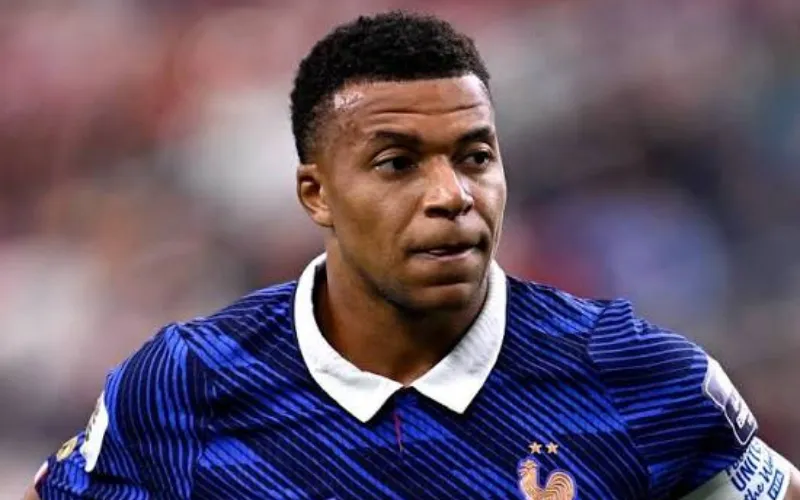
Among the outstanding individuals of the tournament, one player particularly impressed me, not merely because of extraordinary ability but because of exemplary leadership. Kylian Mbappé demonstrated qualities that extended far beyond technical brilliance. His pace, creativity and finishing ability have long been recognised.
During this tournament, however, he displayed composure, maturity and responsibility worthy of the captain’s armband. He inspired rather than criticised. He encouraged rather than complained. He accepted difficult moments without losing emotional balance. Leadership is never measured solely by goals scored or trophies won. It is measured by the standards established for others. Throughout the tournament Mbappé represented football with dignity and distinction. Whether history ultimately places him among the greatest players of all time will remain a matter for future generations. What cannot be questioned is the example he set through his conduct.
Then came the Final. World Cup Finals possess a unique ability to reveal the true character of teams. Tactical systems remain important. Technical ability remains essential. Yet when pressure reaches its highest point, emotional discipline frequently becomes the decisive factor. Spain entered the final, determined to remain faithful to their footballing philosophy. They refused to abandon the principles that had carried them to the championship match. Their passing remained patient.
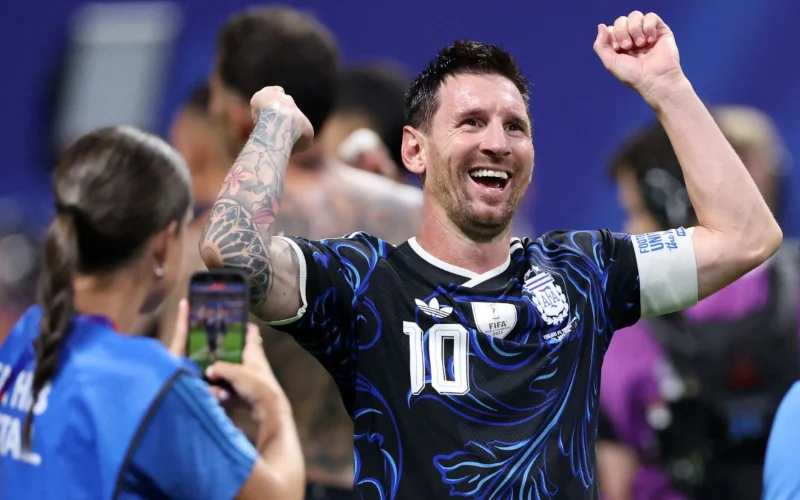
Their movement retained its fluidity. Every player appeared committed to collective success rather than individual recognition. Argentina, by contrast, increasingly allowed frustration to influence their approach. Physical challenges accumulated, tempers rose. The rhythm of the match suffered as repeated fouls interrupted play. Eventually, a dismissal reduced their numerical strength, but by then the more significant loss had already occurred, the loss of emotional composure.
Losing a World Cup Final ranks among the greatest disappointments in sport. Every athlete deserves sympathy in such moments. Yet history remembers not only how champions celebrate but also how defeated finalists conduct themselves. Grace in victory earns admiration. Grace in defeat earns respect. It is in adversity that true character becomes most visible. Spain celebrated with joy, humility and dignity. They honoured their achievement without seeking to humiliate their opponents. Their celebrations reflected confidence rather than arrogance.
As I reflected upon the tournament, I found myself thinking about lessons that extend far beyond football. For nearly four decades, I served in uniform. Military organisations, like elite sporting teams, depend upon discipline, trust, teamwork, preparation and leadership under immense pressure. The battlefield and the football field are fundamentally different in purpose and consequence, yet both reveal enduring truths about human performance. No plan survives unchanged. Pressure exposes weaknesses, discipline prevents panic, leadership inspires confidence and character determines endurance.
The same principles apply in business, public service, education and national life. Champions are rarely distinguished by talent alone. They are distinguished by culture, culture shapes discipline, discipline shapes behaviour, and behaviour ultimately shapes results. Perhaps that is the greatest lesson the 2026 FIFA World Cup leaves behind.
Football remains the world’s most popular sport not because goals are scored, but because values are displayed. Every tackle reflects judgment. Every pass demonstrates trust. Every captain reveals leadership. Every referee safeguards justice. Every supporter learns something about victory, defeat and human conduct. Children watching this World Cup will undoubtedly remember magnificent goals and dramatic victories. I hope they also remember the teams that respected the game.
The players who accepted defeat with dignity. The captains who led through example rather than emotion. The underdogs who inspired belief against overwhelming odds. The referees who protected football rather than merely officiating it. Most importantly, I hope they remember that while trophies and medals eventually gather dust, character never does. Every “World Cup” crowns champions. Only a few strengthen the spirit of the game itself.
Long after the medals have tarnished, the stadiums have fallen silent and new tournaments have captured the world’s attention, the enduring legacy of the 2026 FIFA World Cup should not simply be that Spain became champions. Its greater legacy should be that it reminded us why football is still called the beautiful game. Beyond the final whistle, that is the victory worth celebrating.