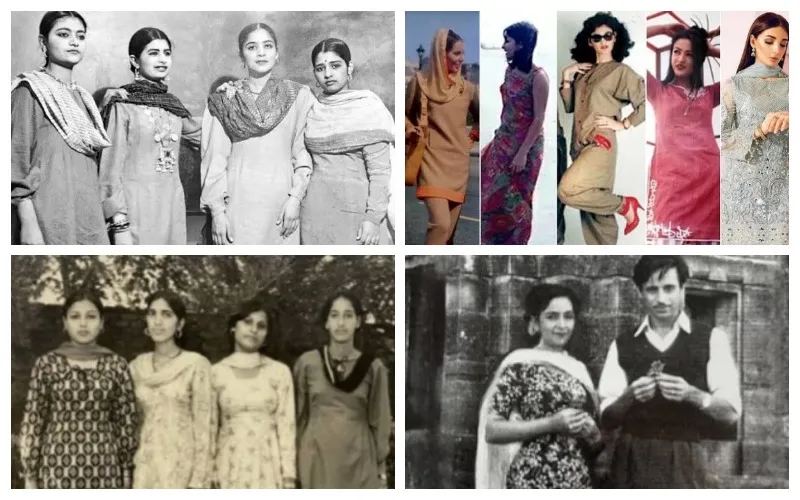
Pakistan’s fashion has evolved from simple, traditional clothing in 1947 to a dynamic industry shaped by designers, digital creators, millennials and Gen Z in 2026, with each generation adding its own style while keeping the country’s cultural identity of unity alive.
In the early years after independence, Pakistani fashion focused on simplicity, modesty and practicality. The shalwar kameez became a defining part of everyday dress, while hand loomed fabrics and traditional designs reflected the country’s cultural roots.
The 1950s and 1960s were marked by classic silhouettes and understated elegance. Clothing remained closely connected to regional traditions, with comfort and modesty playing an important role in everyday fashion.
The 1970s and 1980s brought a noticeable change. Brighter prints, structured cuts and the growth of local textile mills gave Pakistani fashion a more confident look. Regional traditions began mixing with international influences, creating new styles for a changing generation.
The 1990s and 2000s marked another major turning point as Pakistani designer wear gained wider attention. Designers began combining traditional embroidery and craftsmanship with modern cuts, helping establish a growing fashion industry.
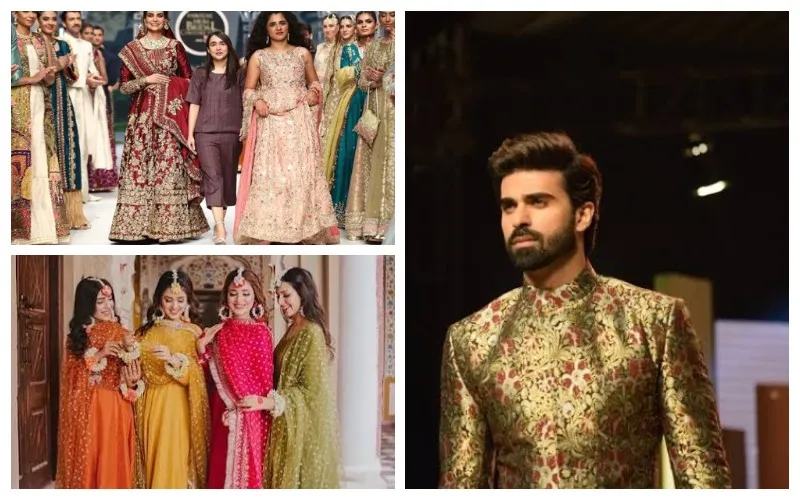
The 2010s brought a major boom in bridal couture, lawn collections and ready to wear fashion. Luxury pret became increasingly popular, while fashion weeks in Karachi and Lahore gave local designers larger platforms and helped Pakistani fashion gain international attention.
Social media then changed how fashion was discovered and shared. Instagram, digital creators and influencers allowed trends to reach audiences faster, while consumers became more involved in shaping fashion conversations.
By the 2020s, Pakistani fashion had become a blend of heritage and global influence. Millennials embraced modern cuts while continuing to wear traditional fabrics and embroidery. Gen Z pushed the boundaries further, mixing vintage looks, streetwear, eastern silhouettes and global trends.
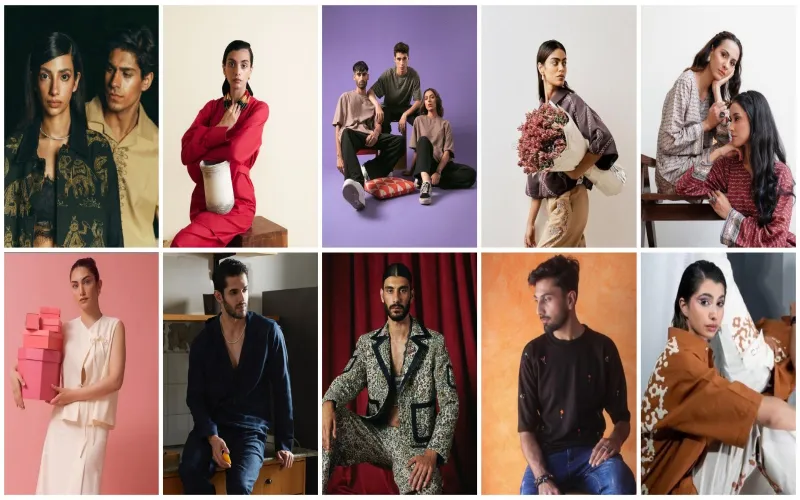
In 2026, Pakistani fashion is increasingly defined by personal expression. Young designers and digital creators are giving traditional clothing new forms, while audiences are using social media to decide what becomes popular.
The future generation is likely to take this evolution even further, combining technology, sustainability, heritage and global influences. Yet the thread connecting every era remains the same as Pakistani fashion continues to evolve without losing its cultural strength.