NEW YORK: Oil prices surged Tuesday as hopes for a lasting U.S.-Iran ceasefire weakened and shipping through the Strait of Hormuz remained sharply below normal, raising fresh concerns about global energy supplies.
Brent crude futures rose 27 cents, or 0.3%, to $91.14 a barrel by 12:03 a.m. GMT, after reaching their highest level since July 30. U.S. West Texas Intermediate crude gained 42 cents to $85.04.
The gains followed a stronger rally Monday after President Donald Trump cast doubt on extending the ceasefire with Iran. Brent settled 2.65% higher at $90.87, while U.S. crude rose 2.5% to $84.50.
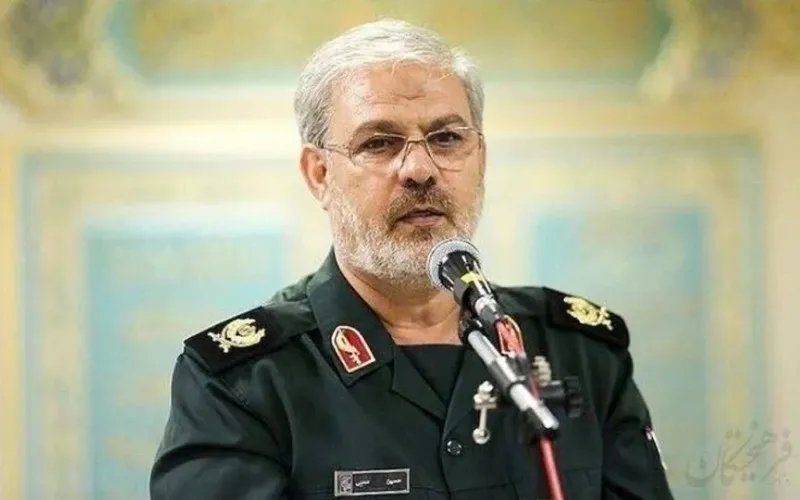
A senior Iranian official told Reuters that Tehran would adopt a “fully offensive” military posture after efforts to reach a permanent settlement stalled.
“They want to make a deal, but they’re not going to make the kind of a deal that I feel is necessary,” Trump said at the White House.
The uncertainty has renewed fears over the Strait of Hormuz, a crucial route for global oil shipments. Kpler data showed only five commodity vessels crossed the waterway Saturday, compared with 31 the previous weekend.
Read More: Oil prices fall as Iran-US ceasefire extension hopes grow
Tim Waterer, chief market analyst at KCM, said the lack of progress on reopening the strait was keeping pressure on oil markets.
Shipping disruptions have also affected the Red Sea, where Yemen’s Houthi rebels claimed a missile attack on what they described as a Saudi military ship and four escort vessels.
Iran is negotiating with Oman over arrangements for managing traffic through the Strait of Hormuz, while reports have also suggested possible back-channel contacts between Washington and Tehran.
Oil prices are now nearly 50% higher than at the start of the year and more than 25% above their level when the conflict began Feb. 28.
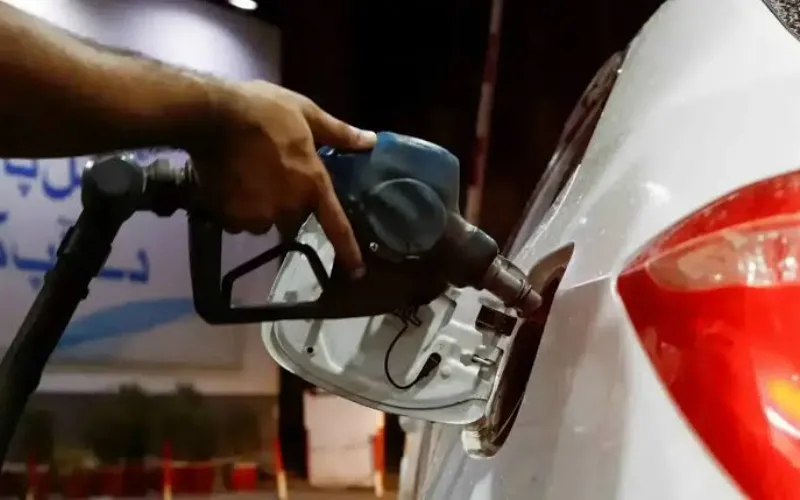
U.S. gasoline prices have also climbed, with the national average reaching about $4.06 per gallon Monday, up 36% since the war began.
With diplomacy stalled and shipping through Hormuz still restricted, traders remain focused on whether further escalation could tighten global supplies and push crude prices even higher.