ISLAMABAD: Pakistan has approved the import of 1 million tons of wheat to shore up domestic supplies and contain food prices as strategic reserves dwindle and privately held stocks remain largely off the market.
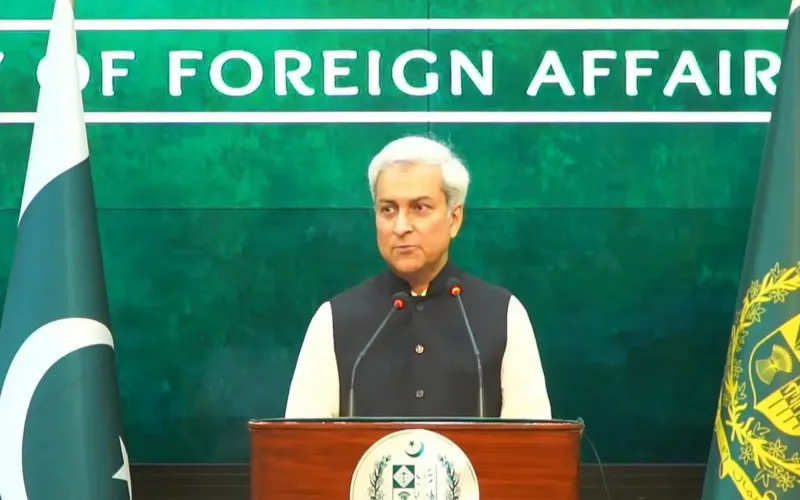
Deputy Prime Minister and Foreign Minister Ishaq Dar approved the import after the government fulfilled conditions set by the Economic Coordination Committee of the Cabinet.
The Trading Corporation of Pakistan will procure the wheat through an open tender and competitive bidding process rather than direct government purchases.
The ECC had earlier authorized the import and formed a steering committee to oversee the process. Its conditions included pre-shipment inspections, securing required provincial contributions and allowing the Finance Ministry to recover outstanding amounts from provincial shares under the National Finance Commission arrangement, where necessary.
Read More: Pakistan to release wheat stocks, import 1 million tonnes amid shortage
Pakistan produced about 28.6 million tons of wheat, which was initially considered sufficient to meet domestic demand. However, privately stored wheat has reportedly not been released into the market at the expected pace.
Hoarders and middlemen are believed to be holding stocks in anticipation of higher prices, raising concerns about tighter supplies and further increases in flour and roti prices.
The government expects the imported wheat to improve availability and ease pressure on consumers.
The decision comes as Pakistan’s strategic wheat reserves have been steadily depleted.
Federal and provincial governments did not procure sufficient quantities despite approval from the International Monetary Fund. Meanwhile, PASSCO’s strategic reserves, previously estimated at about 1.8 million tons, have been drawn down to meet provincial requirements.
With reserves now close to depletion, the ECC approved the additional imports as a precaution against shortages and further food-price increases.
TCP will now begin the procurement process, while the steering committee will monitor compliance with the conditions attached to the import decision.