The British loathsomeness parody follows a childless millennial who abruptly ends up responsible for a dreadful toddler.
The best thing about HBO’s eight-section British ghastliness parody The Baby is that it seldom surpasses thirty minutes for every episode.
The most exceedingly awful thing about The Baby is that it’s a TV series by any means.
Given its dainty and subsidiary reason, also a hero so beastly even her own loved ones can’t tolerate being around her, it’s a can’t help thinking about how The Baby swelled from a blastocyst of a plan to a completely gestated four-hour occasion. A simple hour and a half film would have more than did the trick to recount this dreary story.
The Baby, in the same way as other a dread story before it, involves a frightening newborn child as representation for every one of the ills related with nurturing, and likewise, womanhood.
From “labor as body loathsomeness” to “parenthood as asset subjection” to “mother battles as friendly distrustfulness,” there’s no normal women’s activist perusing of pregnancy and childcare that makers Siân Robins-Grace and Lucy Gaymer haven’t reused here, even as they tap into intensely millennial nerves about childrearing.
We’ve seen it before in Rosemary’s Baby, It’s Alive, Eraserhead, The Brood, The Unborn, Prevenge, The Lost Daughter, and so forth. Hell, eventually, the bad guy being referred to even seems to take on some Voldemort-like characteristics (to some degree as far as close eternality and individual beginnings).
It’s each of the all in all too self-evident.
What makes this interpretation of baby monster especially terrible isn’t simply the way that The Baby apparently contends that kids brought into the world from compulsion are characteristically “spoiled” — shrewd or in any case. It’s additionally evidently dull.
Alluring Michelle de Swarte plays Natasha, a 38-year-old gourmet expert drifting through life scarcely fastened to family or likely arrangements.
Her companions continue having children and she continues to estrange them with her neglectful remarks, similar to when she actually inquires as to whether she laments conceiving an offspring or suggests her pregnant pal has opportunity and energy to get a fetus removal in the event that she loves.
“Dicks,” she spittingly calls them for entering this new period of their lives. (In current style, we’re subsequently acquainted with an injury plot expected to perfectly and thoughtfully rationalize Natasha’s contempt for parenthood.)
Her own more youthful sister, Bobbi (Amber Grappy), who’s trying to embrace her own child, started an alienation a long time back because of Natasha’s oppressive nature.
If no other person has any desire to invest energy with her, why might the essayists figure we do?
Whenever an anonymous child (Albie Pascal Hills and Arthur Levi Hills) in a real sense falls into Natasha’s life — from a precipice, no less — and begins leaving bloodied bodies afterward, she has no real way to shake the youngster:
He simply continues to appear until she feels compelled to take on his everyday consideration while she unwinds the secret of his underlying foundations.
Since I didn’t chuckle or let out a grin once while watching the six episodes accessible for survey, I guess the inborn humor here emerges from the visual gag of the child’s adorableness compared against the demolition encompassing him.
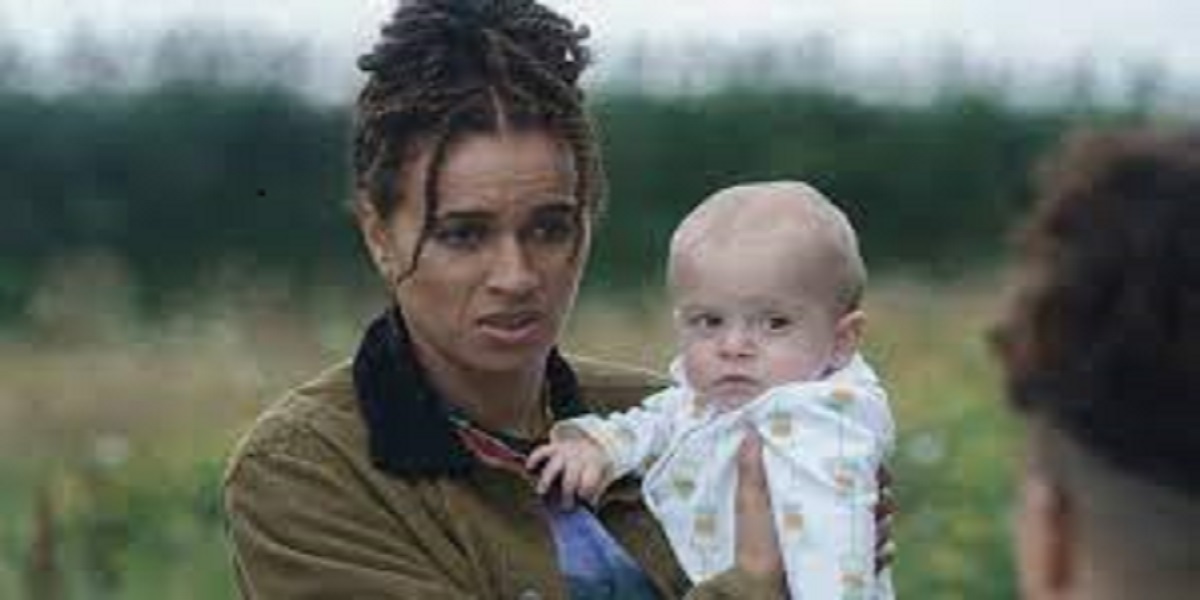
He’s not changed or frightful at all; he’s basically a little white child with blondish wisps of hair who looks around a half year old. He grins, he coos, he cries.
His casualties stifle on food, crash their vehicles, cut away their fingers in prams.
When he enters Natasha’s hesitant consideration, his presence puts a spell on her partners.
Each and every individual who recently realized that she will generally be childless begins to think this is her child, regardless of her protestations.
Indeed, even Natasha quickly contemplates whether he’s been hers from the beginning.
Whenever a grizzled hag calling herself Mrs. Eaves (Amira Ghazalla) shows up at her loft requesting Natasha kill the thing, The Baby turns into an ethical play.
It’s nearly like Robins-Grace and Gaymer fleshed this series from the scandalous “child Hitler” philosophical issue: “In the event that you traveled once again into the past, could you or could you kill little child Adolf Hitler resting in his den?”
For reasons unknown, Natasha, who any other way opposes each prickle of nurturing sense, can’t simply cudgel or choke out the kid.
However, neither might she at any point hold back to run out the clock on a being that will definitely get exhausted and off her to engrave on another female outsider.
The Baby is a stuffed diaper of bothering idiosyncrasy: the situation of two strange performers attempting to develop their family; a kibbutz-like religion where Natasha should defy her past; Children of the Corn-like frenzied youngster anarchy; a canine getting graphically crushed into bits; characters continually dropping and awakening muddled.
Notwithstanding its by and large hauling nature, The Baby is best in its fifth episode, when it at long last reveals a history so eldritch and abnormal and sad that I really ended up being angry at the show’s irrefutably politicized controls.
The episode, which unmistakably includes series feature Tanya Reynolds (S** Education, Emma), is a holding story hauntingly told, yet its definitive topical ramifications felt abhorrent to me.
With its all-too-simple decisions about youth deserting, The Baby seems to be a ghastliness series made for adherents of pop-psych TikTok.