Pakistan’s central bank kept its benchmark policy rate unchanged at 11.5% on Monday, with S&P Global Market Intelligence saying the decision reflects improving macroeconomic stability while maintaining a cautious stance amid persistent inflation and external risks.
The State Bank of Pakistan’s (SBP) Monetary Policy Committee (MPC) left the key interest rate unchanged, citing easing near-term external pressures and signs of recovery in economic activity.
However, the central bank warned that renewed tensions in the Middle East, volatile global commodity prices, and weather-related risks continue to pose upside risks to inflation.
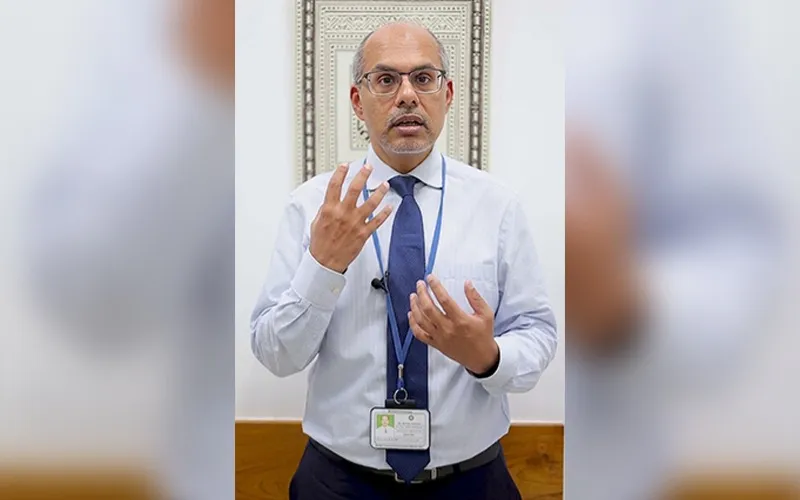
Ahmad Mobeen, principal economist at S&P Global Market Intelligence, said the unchanged policy rate reflects a more stable macroeconomic environment supported by improving economic indicators and business sentiment, but stressed that policy discipline remains essential.
“The State Bank of Pakistan’s decision to keep the policy rate unchanged comes amid a more stable macroeconomic backdrop, supported by easing near-term external pressures and a recovery in activity indicators and sentiment surveys,” Mobeen said.
He added that the central bank is expected to maintain a cautious monetary policy as inflation remains above its target range, while renewed geopolitical tensions, commodity price volatility, and the possibility of a severe El Niño weather event continue to cloud the economic outlook.
Mobeen said Pakistan’s external position is gradually improving, although heavy debt repayment obligations and continued reliance on official financing and rollover arrangements remain significant challenges.
“External buffers are improving as well, but repayment pressures and reliance on official inflows and rollovers mean policy discipline will remain critical,” he said.
S&P Global Market Intelligence expects Pakistan’s economy to expand by 3.5% in fiscal year 2027. The firm also projects the country’s foreign exchange reserves to reach $19.5 billion by the end of December 2026, supported by workers’ remittances and planned official inflows.
The agency forecasts Pakistan’s current account deficit at 0.7% of gross domestic product (GDP) in calendar year 2026, widening slightly to 0.9% of GDP in 2027. Despite the expected improvement in external accounts, it noted that Pakistan’s financing needs will remain elevated.
More read, Central bank boosts FX reserves with $635 million purchase in April
The SBP’s latest monetary policy decision comes as Pakistan seeks to balance economic recovery with inflation control and external sector stability under its ongoing economic reform program.