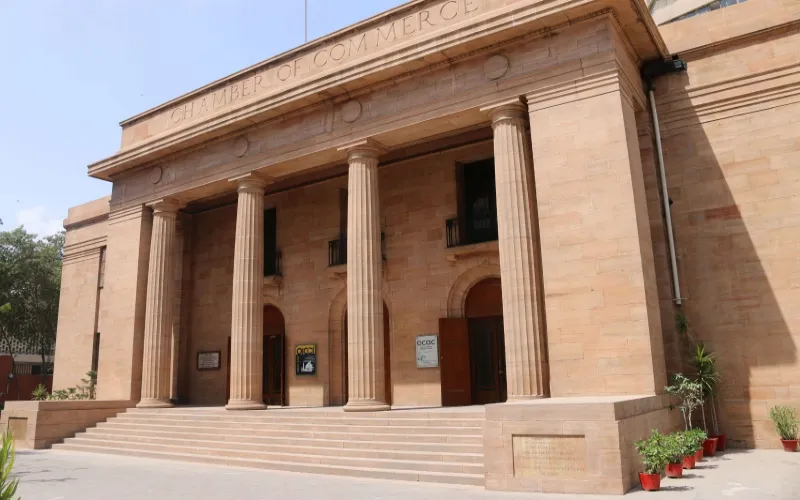
Institute of Cost and Management Accountants of Pakistan has said that Pakistan’s renewable energy sector and vast mineral resources could play a major role in transforming the country’s capital markets by attracting investment and reducing reliance on external debt.
According to research published in ICMA’s Chartered Management Accountant Journal, Pakistan can create a stronger and more investment-driven financial system by converting energy and mineral assets into structured financial products such as green bonds, infrastructure REITs, green sukuk, and mineral-linked securities.
The report stated that Pakistan’s capital markets have entered a new phase following the establishment of the Capital Market Development Fund under the Securities and Exchange Commission of Pakistan. The fund aims to increase investor participation and strengthen financial markets with support from major capital market institutions.
The study highlighted the rapid growth of Pakistan’s solar energy sector, noting that the country has imported more than 51 gigawatts of solar capacity since 2018, including nearly 17 gigawatts in 2024 alone. Installed solar capacity is currently estimated between 32 and 34 gigawatts.
According to the report, the growing use of solar energy has already helped Pakistan save more than $12 billion in oil and LNG imports between 2021 and early 2026, with further savings expected this year. Researchers said these renewable energy projects can generate stable cash flows that may be turned into investment products for local and international investors.
The report also pointed to Pakistan’s huge mineral reserves, including around 6 billion tons of copper ore, 1.5 billion tons of iron ore, and major gold deposits. However, despite these resources, the mining sector currently contributes only about 3 percent to the country’s GDP.
ICMA recommended introducing commodity-linked securities, mining investment trusts, and exchange-traded mineral products to help turn natural resources into investable assets. The report said countries such as Chile and Australia have successfully used resource-based financing systems to strengthen their capital markets and attract institutional investors.
The study further noted that retail participation in Pakistan’s capital markets remains very low, with market penetration below one percent of the population. It said expanding digital investment platforms, improving financial literacy, and offering asset-backed investment products could help attract more investors and build public confidence.
Researchers added that Pakistan’s mobile network, with over 190 million connections, provides a strong base for digital investment services and fractional ownership models.
The report concluded that linking renewable energy and mineral wealth with innovative financial instruments could help Pakistan shift from debt-based financing toward an asset-backed investment model, supporting sustainable economic growth and attracting global ESG-focused investment.