KARACHI: Pakistan’s headline inflation is projected to rise to 11.5% year-over-year in May 2026, up from 10.9% the previous month, marking the highest reading since July 2024, according to a report from Sherman Securities.
The increase is largely driven by higher electricity charges in the housing index, with food prices also adding pressure, particularly wheat and flour, analyst Rida Fatima said.
On a monthly basis, the consumer price index is expected to rise 0.4%, down from the prior month, led by a 1.6% increase in food prices. Wheat flour prices alone jumped 13.25% month-over-month due to higher transportation costs, reflecting a delayed pass-through from rising fuel prices.
The monthly food-led increase was partially offset by declines in housing and transport. The housing index is forecast to fall 0.7% from the previous month as electricity charges dropped 6% after monthly fuel cost adjustment fees turned negative to minus 0.010 rupees per unit, compared with a positive 1.6406 rupees per unit previously.
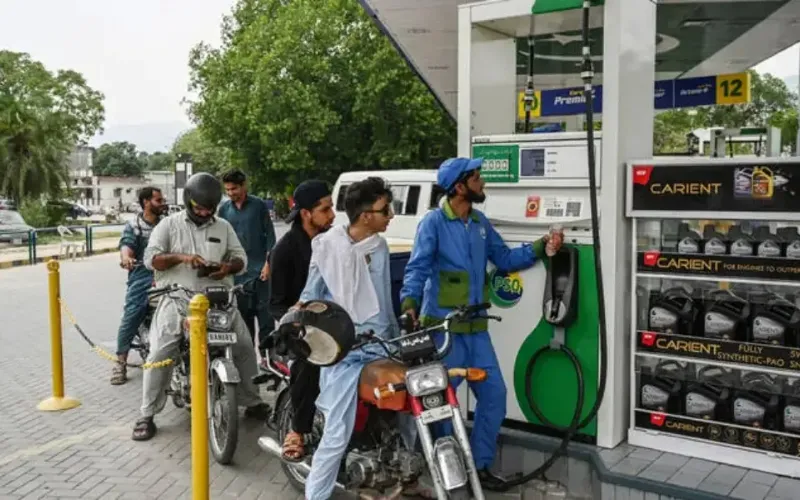
The transport index is expected to decline 2.8% month-over-month, contributing a negative 0.16 percentage point to headline inflation, supported by a 25.36% drop in diesel prices from a peak historical price of 520 rupees.
On an annual basis, housing remains the largest contributor to inflation, rising 17.5% year-over-year and contributing 4.14 percentage points to the CPI, largely due to higher base electricity tariffs announced by the federal government in February 2026.
Food was the second-largest contributor, up 9.6% year-over-year, with flour prices rising 57.2% and wheat prices increasing 50.45%. The transport index rose 26.5% annually, contributing 1.57 percentage points, reflecting that domestic fuel prices, despite recent monthly reductions, remain elevated compared with last year.
Average CPI for the first 11 months of fiscal year 2026 is estimated at 6.65% year-over-year.
Central bank likely to stay cautious
The expected inflation reading is likely to keep the State Bank of Pakistan cautious. With the policy rate at 11.5% and May CPI projected at 11.5%, the spot real policy rate stands near zero. However, based on average inflation of 6.65% during the 11-month period, the average real interest rate is about 4.85%.
Headline inflation remains above the central bank’s 5% to 7% target range, while the 11-month average of 6.65% sits near the upper end of the band, reducing room for near-term rate cuts, particularly ahead of budget-related tax measures and potential further energy price adjustments.