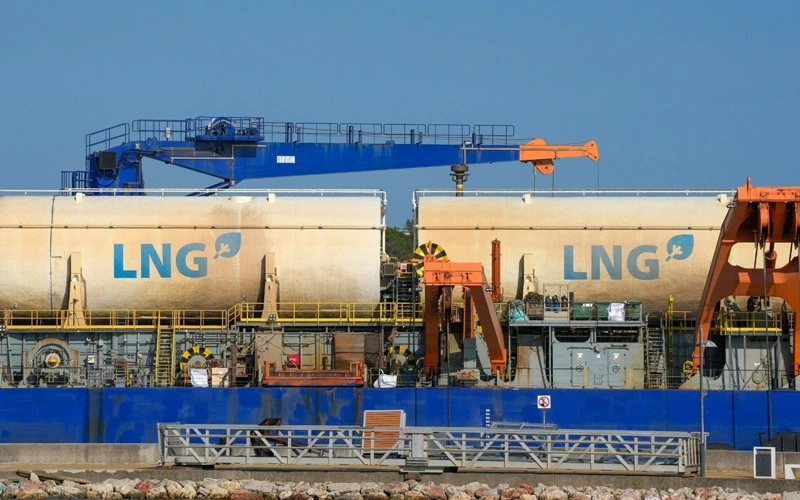
Europe is facing renewed energy concerns as its natural gas reserves fall to their lowest seasonal level in more than a decade, raising questions over whether the region can secure enough supplies before winter.
The decline comes amid global market disruptions, reduced LNG availability, and increased competition for energy resources following tensions in the Middle East.
Gas storage facilities across the European Union are currently just below 58% full, according to data from Gas Infrastructure Europe, marking the lowest level for this time of year since records began in 2011. The figure is around 12 percentage points lower than the same period last year.
The situation has revived memories of the 2022 energy crisis, when Russia’s invasion of Ukraine disrupted gas supplies, pushed prices to record highs, and increased pressure on European households and industries.
To avoid future shortages, the European Union introduced gas storage targets, requiring countries to maintain sufficient reserves before the winter season. The bloc initially aimed for storage facilities to reach 90% capacity by November but later adjusted the target to 80% by December to prevent a rush in buying that could drive prices higher.
Read More: Asian, European LNG buyers to seek lower prices, supply guarantees from Qatar, UAE
However, analysts remain uncertain whether Europe will achieve that level. Forecasts suggest storage could reach only 67% to 76% before winter, depending on weather conditions and global supply availability.
A colder-than-normal winter could create additional pressure on markets, forcing countries to compete for limited supplies and potentially increasing energy costs.
Europe has reduced its reliance on Russian pipeline gas by expanding renewable energy and increasing LNG import capacity. However, greater dependence on global LNG markets has also exposed the region to international price fluctuations.
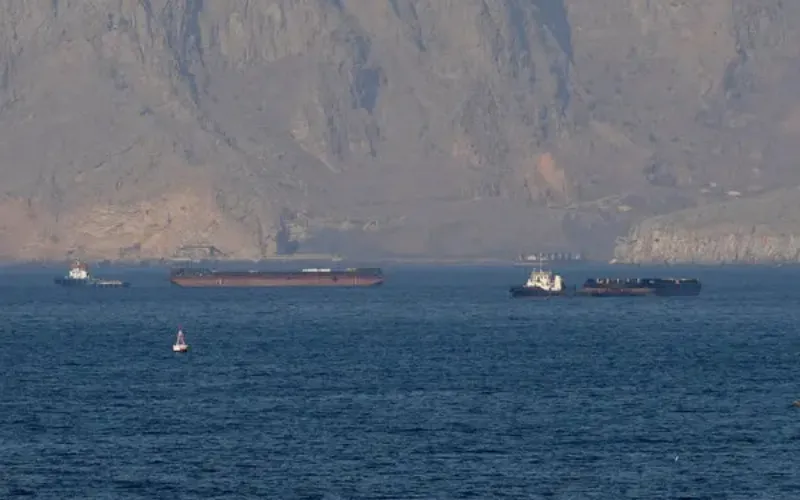
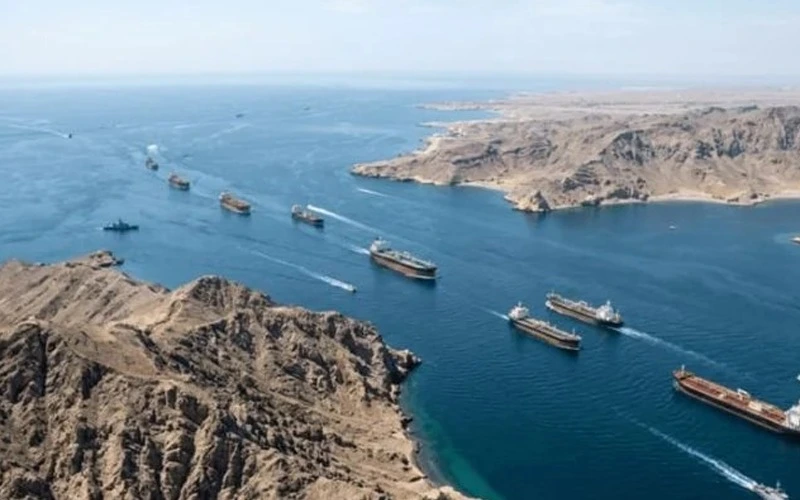
The disruption of LNG supplies through the Strait of Hormuz, including reduced access to Qatari shipments, has intensified competition between European and Asian buyers.
European gas prices nearly doubled from pre-crisis levels in late July, rising from around €31 per megawatt hour to nearly €60/MWh, before easing slightly following hopes of improved diplomatic conditions between the United States and Iran.
Energy analysts have warned that continued supply disruptions combined with extreme winter weather could push prices higher.
According to Energy Aspects estimates, gas prices could range between €60 and €80/MWh during the winter months. In a more severe scenario involving limited LNG supplies and colder temperatures, prices could rise significantly.
David Lewis, senior research analyst at Wood Mackenzie, described Europe’s current storage position as a “very risky situation,” warning that prolonged cold weather could lead to higher prices and possible pressure on energy demand.
European officials maintain that the current storage target is achievable and sufficient to protect winter supplies. However, analysts say filling reserves at the required pace may require additional measures as current market conditions provide limited incentives for companies to store gas.
The European Union is also continuing plans to end Russian LNG imports by the end of the year as part of efforts to reduce dependence on Moscow.
Experts expect the impact of the energy situation to be felt by both industries and households, with higher energy costs likely to remain a concern through the upcoming winter season.