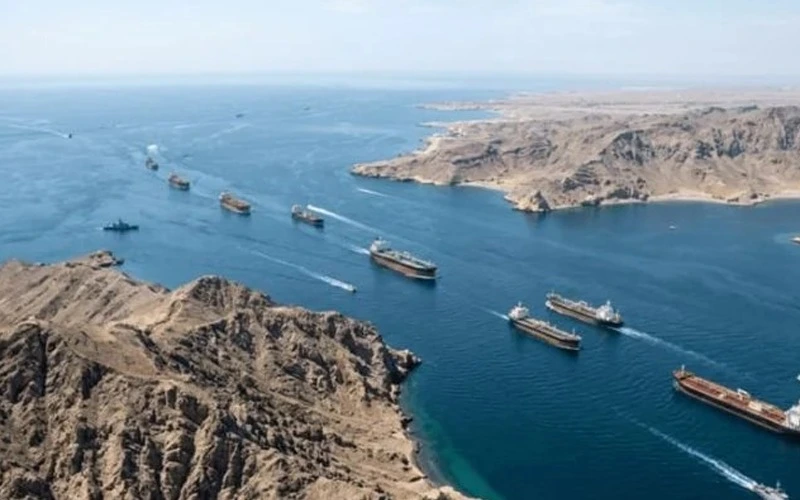
TEHRAN: After weeks of uncertainty over one of the world’s busiest energy routes, Iran and Oman have moved closer to restoring a controlled shipping pathway through the Strait of Hormuz.
Tehran announced on Wednesday that the two countries had agreed on the route’s geographical coordinates, a development that could help revive maritime movement but may not immediately remove security concerns surrounding the strategic waterway.
Iranian Foreign Ministry spokesperson Esmaeil Baqaei said discussions with Oman were progressing, with a joint statement outlining the key points of agreement in the final review stage.
“The geographical coordinates of the route envisaged by the two sides have been agreed upon,” Baqaei said, according to Iran’s state news agency IRNA.
He added that the process would depend on whether third parties avoided interfering, while warning that an agreement with Oman alone would not guarantee complete safety for all vessels passing through the Strait of Hormuz.
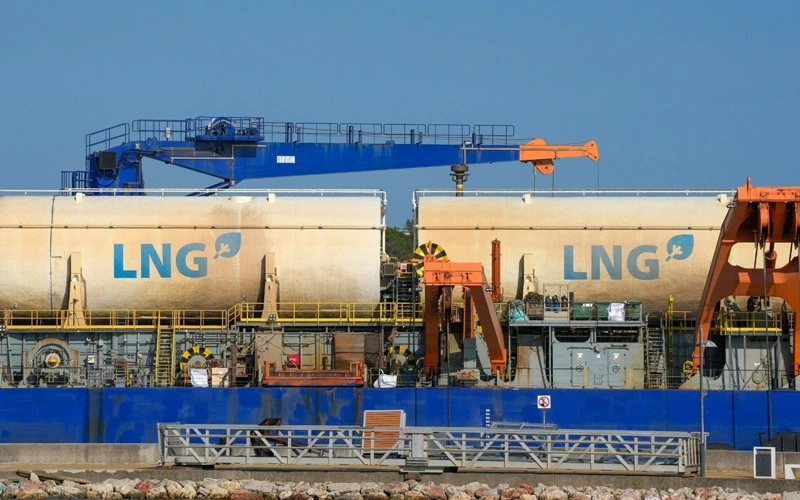
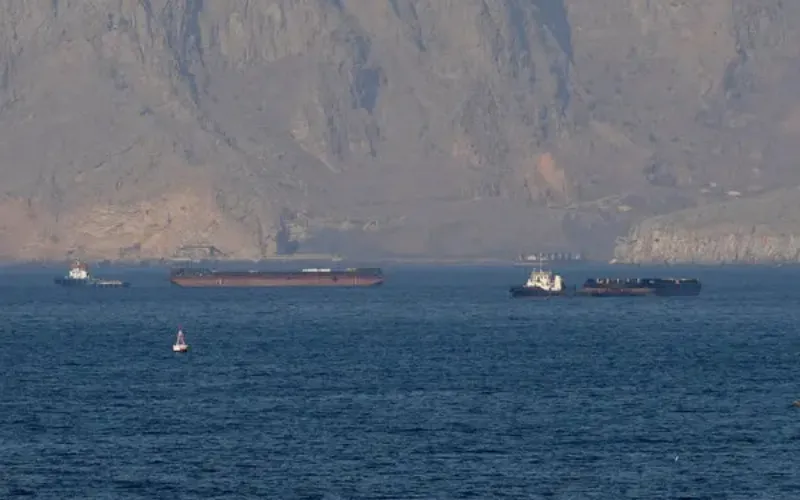
Iran has increased control over the waterway since the conflict with the United States and Israel began, requiring ships to follow routes approved by Tehran. The Strait of Hormuz, located between Iran and Oman, is a critical global trade passage through which nearly one-fifth of the world’s oil and liquefied natural gas supplies normally pass.
Iranian Deputy Foreign Minister Kazem Gharibabadi said the proposed route would initially be temporary and could remain operational for two to four months, although further details were not provided.
The development comes as regional shipping continues to face security challenges. The United Kingdom Maritime Trade Operations (UKMTO) reported that an oil tanker crew heard two explosions while travelling near Oman’s Kumzar area. The vessel and its crew remained safe.
Meanwhile, Yemen’s Houthi group claimed responsibility for attacks on two Saudi oil tankers, further adding to concerns over maritime security in the region. Saudi authorities have not yet commented on the claims.
The Strait of Hormuz remains a major focus of international attention due to its role in global energy supplies. Any disruption to traffic through the waterway has raised concerns over oil markets and increased diplomatic pressure for a solution.
The proposed Iran-Oman arrangement comes amid calls from international stakeholders to restore safe navigation through the strait. However, Tehran has denied claims of direct negotiations with Washington and has maintained that future arrangements will be handled with Oman.
A key dispute remains over Iran’s reported proposal to charge transit fees for vessels using the route, a move opposed by the United States.
While the agreement with Oman marks a potential step toward reopening maritime access, uncertainty remains over wider security arrangements and control of the strategic waterway.