According to media reports, the proposed measures are part of wider budget deliberations aimed at expanding revenue collection, with the International Monetary Fund (IMF) reportedly opposing new tax exemptions and pushing for a broader, more uniform taxation structure across multiple sectors.
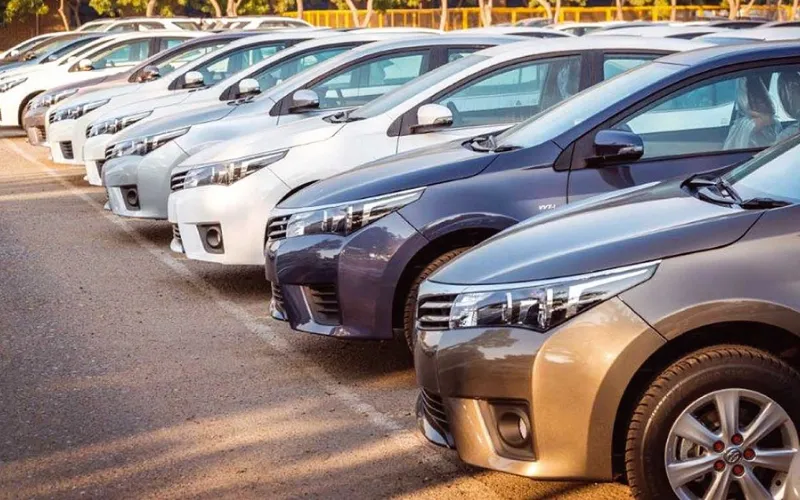
Under consideration is a major revision in the General Sales Tax (GST) on electric vehicles, which may be increased from 1 percent to 18 percent. A similar proposal is also being reviewed for hybrid vehicles, where GST could rise from 8 percent to 18 percent, potentially reshaping the pricing landscape of the auto sector.
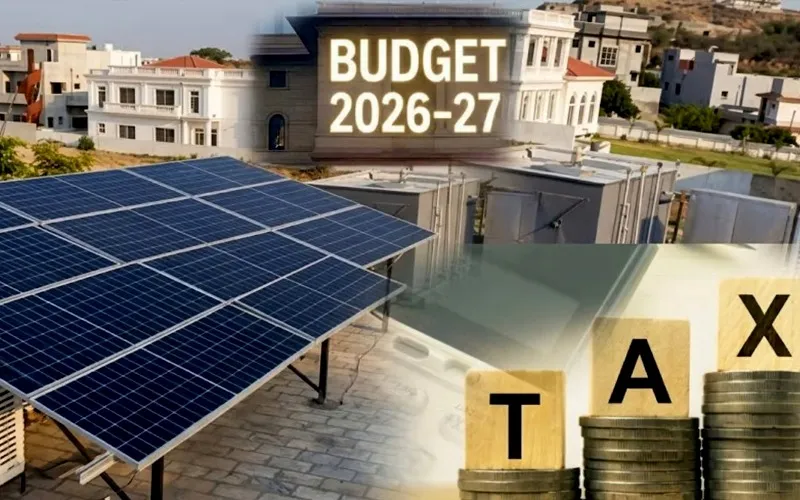
Officials are also evaluating a proposal to increase GST on solar panels from 10 percent to 18 percent, a move that could significantly raise installation costs for households and businesses at a time when demand for renewable energy has surged due to rising electricity prices and energy concerns.
If approved, the tax changes would apply across a wide range of electric mobility options, including electric cars, motorcycles, rickshaws, buses, trucks, pickup vehicles, tractors, and double-cabin vehicles, affecting both consumers and industry stakeholders.
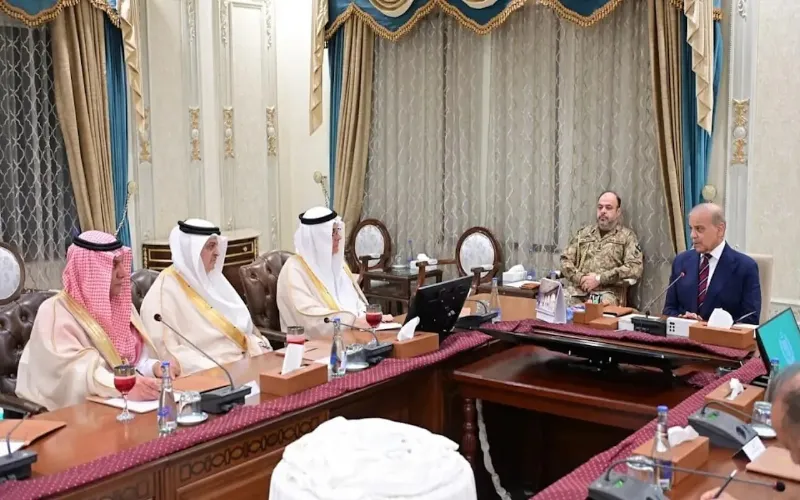
The discussions come as the government works to finalise the federal budget while balancing IMF-backed revenue targets with efforts to sustain economic growth and investment in emerging sectors.
Meanwhile, the textile industry has renewed its demand for the release of approximately Rs327 billion in pending refunds, arguing that delayed payments are constraining liquidity and industrial performance. Stakeholders have also urged reductions in electricity and gas tariffs to improve export competitiveness.
Exporters have further called for broader tax relief measures, including the possible removal of the 1 percent advance tax on exports, which could provide relief of around Rs100 billion to the sector. However, sources indicate that a comprehensive relief package is not currently under active consideration.
The FY2026-27 federal budget, expected next week, is likely to set the tone for Pakistan’s fiscal direction, taxation strategy, and economic priorities amid ongoing structural challenges.