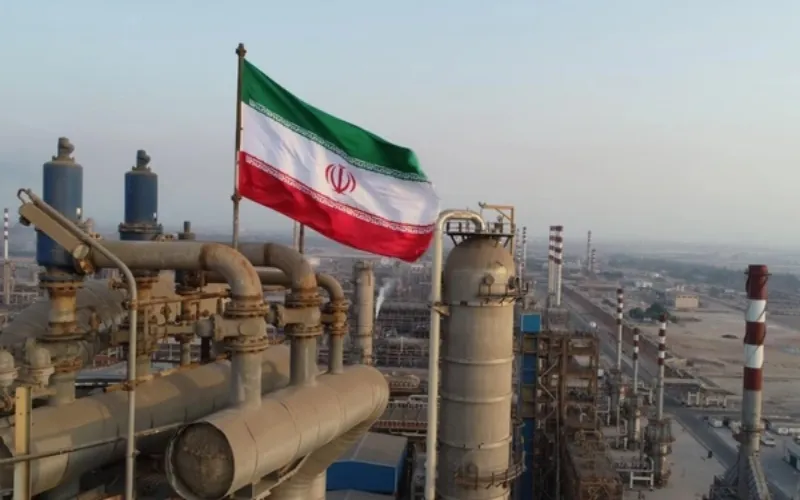
Iran has exported more than 40 million barrels of crude oil since the U.S. removed its naval blockade on Iranian ports and is now selling oil at prices about 20% higher than before the war, according to a CNBC report.
The U.S. and Iran signed a memorandum of understanding on June 17 to end nearly four months of war and reopen the Strait of Hormuz, and to set up 60 days of negotiations for a permanent peace deal. The two sides briefly exchanged strikes over the weekend after Iran attacked two passing vessels.
The ceasefire led to a rise in crude shipments through the key waterway, where traffic had largely stopped during the conflict, pushing oil prices sharply lower.
“Since the day the naval blockade was lifted, we have exported more than 40 million barrels of oil,” Bagher Ghalibaf said in a television interview shared on his Telegram channel. He added that Iran had been unable to export any oil during the roughly two-month blockade before the agreement.
Tanker-tracking firm TankerTrackers.com said Wednesday it estimates Iran has exported 50 million barrels of crude oil since the U.S. lifted its naval blockade on the country’s energy exports two weeks ago. The firm uses satellite imagery, shore-based photography and real-time automatic identification system data to track vessel movements.
Brent crude was trading near $73 a barrel Wednesday, down almost 40% from the war peak of $118 in April, as diplomatic progress and expectations of increased Gulf supply continue to pressure prices. According to Gregory Brew, senior analyst at Eurasia Group, Iranian crude was sold at a discount of $10 to $15 per barrel below Brent before the war due to sanctions risks for buyers.
Iran has agreed to allow ships to pass through the Strait of Hormuz toll-free for 60 days under the memorandum of understanding but says it will retain control over the administration of the waterway.
“The sovereignty of the Strait of Hormuz lies with Iran and Oman, and traffic in the strait is subject to arrangements determined by Iran,” Ghalibaf said. “Iran will not give up its rights in the Strait of Hormuz under any circumstances, and these are our territorial waters.”
It remains unclear how the strait will be governed after the 60-day period ends. Ships have been moving through the Strait of Hormuz either via a southern route along Oman’s coast or through Iranian-controlled lanes in the north.
Ghalibaf also rejected President Donald Trump’s claim that unfrozen Iranian assets will be used to buy U.S. agricultural products. He said that $12 billion of the roughly $24 billion in frozen assets abroad will go to Iran’s central bank to “purchase any goods it needs, at any price and in any currency in the world.”