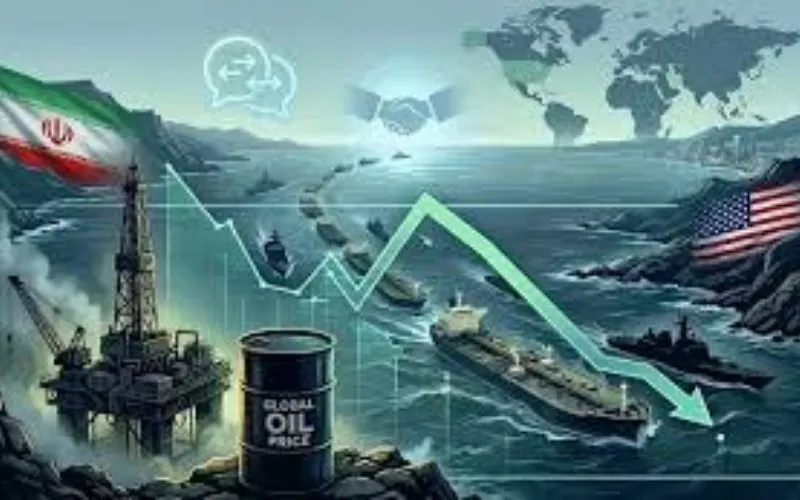
Oil prices tumbled to their lowest levels in nearly two weeks on Monday, while Asian equities surged as renewed optimism over a potential diplomatic breakthrough between the United States and Iran boosted risk appetite across global markets.
Investors are betting that easing tensions over the strategically vital Strait of Hormuz could stabilize energy flows and curb recent volatility in crude prices.
Sentiment strengthened after emerging signals suggested Washington and Tehran may be inching toward a framework aimed at de-escalating regional tensions that have repeatedly disrupted oil supply chains and intensified global inflation concerns. However, analysts caution that the outlook remains fragile amid unresolved geopolitical disputes.
In energy markets, Brent crude futures slumped $4.71, or 4.55%, to $98.83 per barrel, while West Texas Intermediate (WTI) dropped $4.57, or 4.73%, to $92.03 per barrel by 2234 GMT. Both benchmarks hit their weakest levels since May 7, underscoring a sharp reversal in sentiment following weeks of heightened price swings.
The pullback follows an extended period of turbulence triggered by escalating conflict in the Middle East since late February, which had previously driven oil prices upward and amplified fears of sustained inflationary pressure across global economies.
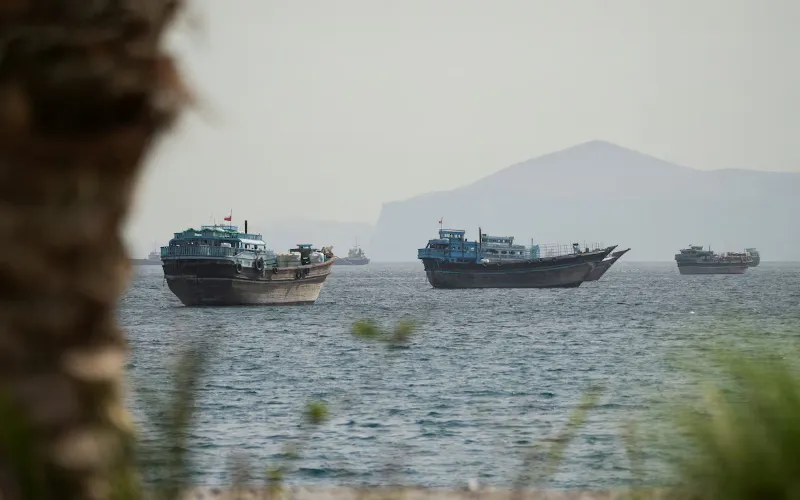
Despite the improved tone, negotiations between the two sides remain highly sensitive, with multiple sticking points still unresolved. Chief among them is the status of the Strait of Hormuz, a critical maritime corridor responsible for a substantial share of global crude and liquefied natural gas shipments, making it a focal point of geopolitical risk.
US President Donald Trump stated on Sunday that he had instructed American negotiators not to rush into any agreement, emphasizing a cautious and structured diplomatic approach.
Posting on Truth Social, Trump described the talks as proceeding in an “orderly and constructive manner,” adding that time remained on Washington’s side, signaling no urgency to conclude a deal prematurely.
On the Iranian side, Tasnim News Agency reported that key elements of a potential agreement remain unresolved, including the highly contentious issue of Iran’s stockpile of enriched uranium, which continues to be a major stumbling block in negotiations.
Additional disputes reportedly center on the potential unfreezing of Iranian assets held under US sanctions, as well as broader regional considerations, including whether Lebanon could be incorporated into a wider security framework.
The prospect of diplomatic progress triggered a strong rally across Asian financial markets. Tokyo stocks soared more than 3% in early trading, while major indices in Shanghai, Taipei, Manila, Bangkok, Jakarta, Singapore, Sydney, and Wellington also advanced. Markets in Hong Kong and Seoul remained closed due to public holidays.
Market analysts note that global investors remain highly reactive to developments in US–Iran diplomacy, as any substantive breakthrough could significantly reshape energy dynamics, inflation trajectories, and geopolitical stability across the broader Middle East region.