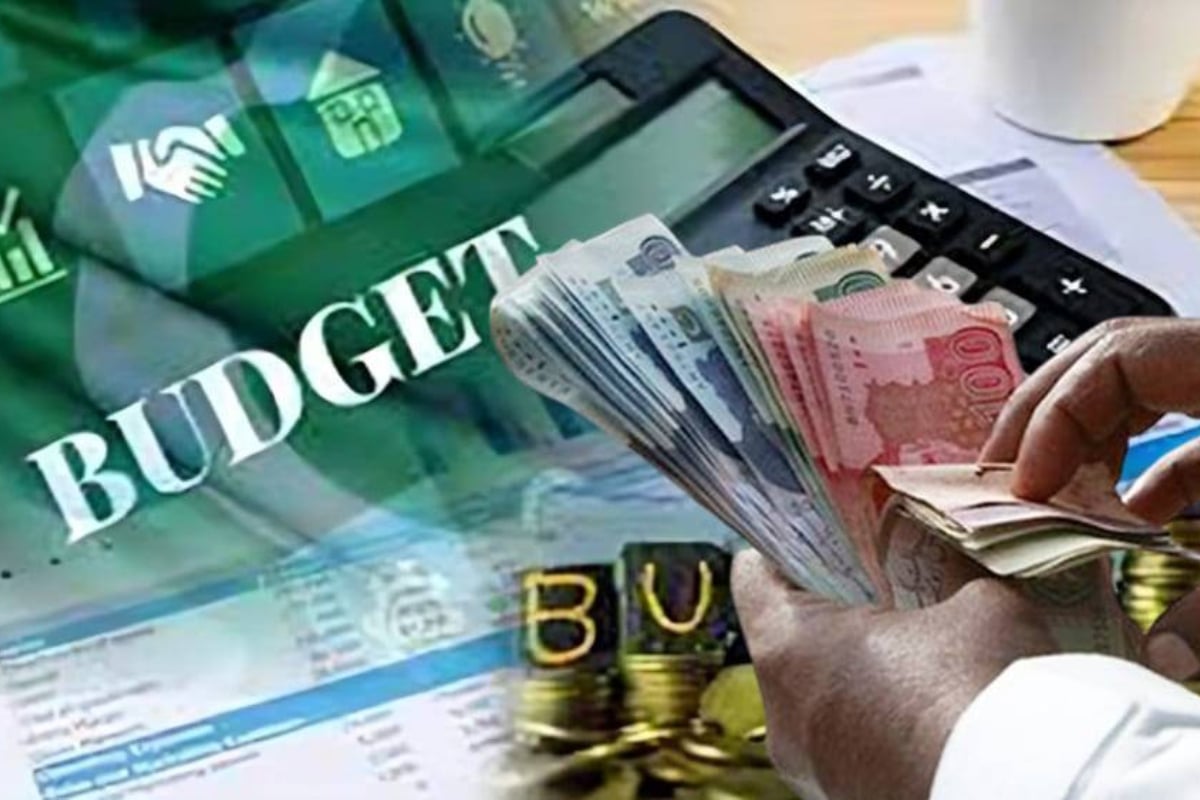
KARACHI: Pakistan’s federal budget for fiscal year 2027, expected to be unveiled in the first week of June 2026, will aim to balance macroeconomic stability with targeted relief measures.
The budget is expected to remain slightly positive for both the stock market and the broader economy, with GDP growth projected at 3.5%, slightly down from an estimated 3.7% in FY26.
Inflation is expected to edge up to 8.4% from 7.2%, while the current account deficit is forecast to widen to 0.9% of GDP from 0.4%,, according to a research note from Arif Habib Limited.
Revenue and Deficit Targets
The Federal Board of Revenue has set a tax collection target of 15.3 trillion Pakistani rupees for FY27, according to the report. The fiscal deficit is estimated at 4.9 trillion rupees, or 3.4% of GDP, compared with 5 trillion rupees budgeted in the previous year.
Current expenditure is projected to rise 11% year-over-year to 15.9 trillion rupees, driven largely by higher markup payments amid elevated interest rates.
The government is expected to avoid broad-based new taxes, instead relying on enforcement-driven measures to expand the tax base. Proposed revenue measures include an income tax on retailers and wholesalers, a 1% digital services tax, a green levy on petroleum products, and increased federal excise duties on tobacco and sugary drinks.
Sector-Specific Proposals
For the banking sector, analysts expect a rationalization of the effective tax rate, which currently stands at 52%. The report also anticipates a revision in advance tax on cash withdrawals, with the threshold potentially rising to 75,000 rupees from 50,000 rupees.
The automobile industry faces mixed prospects. Average vehicle import tariffs are expected to fall from 10.6% to 7.4% by 2030, increasing competition for local assemblers. However, reductions in CKD kit duties and proposed relaxation in auto financing limits could support domestic demand.
A government-launched housing scheme to build 500,000 homes nationwide is expected to boost construction activity and create long-term demand for cement and building materials.
The technology sector may see an extension of the 0.25% final tax regime for IT exports, along with exemptions on capital gains for startup and export-oriented IT company shares. A reduction in import duties on fiber optic cables from about 60% to 5% is also under consideration.
IMF Alignment
The budget is expected to remain closely aligned with International Monetary Fund priorities, focusing on broadening the tax base, strengthening FBR enforcement, and advancing structural reforms. The government is also likely to continue energy sector reforms aimed at containing circular debt, alongside subsidy rationalization and reforms in state-owned enterprises.
The report noted that any revenue shortfall from relief measures is likely to be offset through alternate revenue measures, including stricter enforcement and withdrawal of selected tax exemptions.