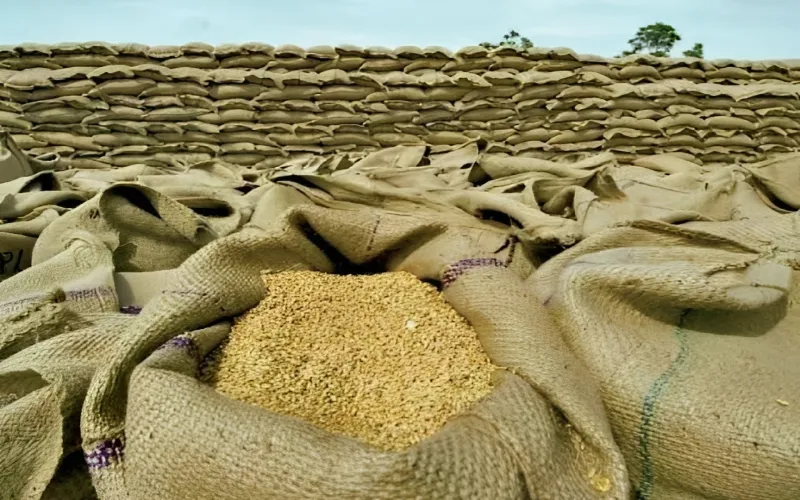
ISLAMABAD: Pakistan’s federal government has decided to release wheat stocks from the Pakistan Agricultural Storage and Services Corporation (PASSCO) and import 1 million tonnes of wheat to address a growing shortage, stabilize prices and ensure affordable supplies for consumers.
Officials said the available PASSCO wheat stocks will be distributed to provinces based on their requirements. The move is aimed at improving wheat availability, preventing further price increases and maintaining a steady supply across the country.
The government also approved the combined demand from the provinces is greater than the wheat available in federal storage. Officials believe the imports will help meet national demand and reduce pressure on the local market.
The decision comes as farmers’ representatives warn that Pakistan’s wheat crisis is becoming more serious due to weak planning, poor policy decisions and administrative failures.
In a joint statement, Markazi Kisan League Chairman Chaudhry Zulfiqar Ali Olakh and President Muhammad Ashfaq Warraich said wheat and flour prices could continue rising unless immediate action is taken. They warned that higher food prices would place an additional financial burden on households across the country.
The farmers leaders said the crisis worsened after the government ended the wheat support price system under reforms linked to the International Monetary Fund. They also blamed provincial governments for failing to buy enough wheat from farmers during the current harvest season.
According to the alliance, Punjab purchased only about 480,000 tonnes of wheat against its target of 3 million tonnes, while Sindh bought around 200,000 tonnes. They said these lower procurement levels have placed national wheat reserves under heavy pressure.
View this post on Instagram
The group added that Pakistan spent more than $1 billion last year to import nearly 3.5 million tonnes of wheat. Despite those imports, the country still faces an estimated 3.5 million tonne wheat shortfall.
Farmer representatives said they had warned the government months ago about the possibility of a shortage, but authorities did not take timely action. They cautioned that if the situation continues, wheat prices could rise to Rs6,000 per maund, making flour and bread more expensive for many families.
Officials familiar with the discussions said Punjab has requested 1 million tonnes of wheat from the federal government, while Sindh has asked for at least 220,000 tonnes from PASSCO stocks stored in the province. The government hopes the release of wheat stocks and new imports will help stabilize the market and improve food security in the coming months.