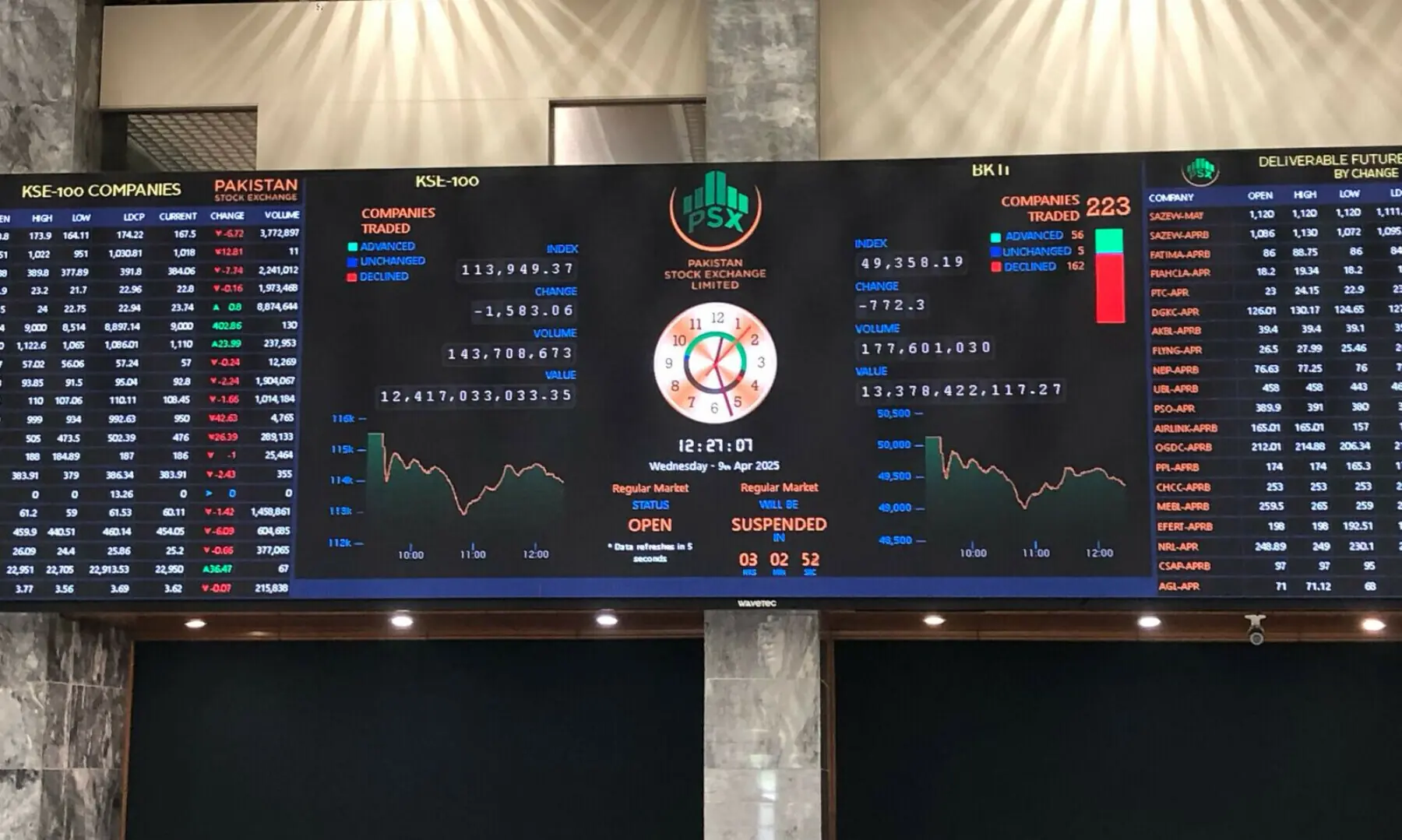
KARACHI: Agro Processors & Atmospheric Gases Limited (APAG), the maker of Pakistan’s popular Soya Supreme cooking oil brand, is preparing to list on the Pakistan Stock Exchange through an initial public offering of 58 million shares at a floor price of Rs32 per share.
The IPO, which represents a 15% stake in the company valued at approximately Rs1.86 billion, will see public subscription open September 3-4, 2026. The book-building process has already commenced.
APAG, a 45-year-old edible oil producer with a 90,000-ton capacity facility in Karachi, plans to utilize the proceeds for plant modernization, working capital, and marketing initiatives. The company also operates a 5,000-ton condiment facility producing sauces, ketchup, mayonnaise, and chicken spread.
Expansion and Upgrades Planned
Management has outlined a comprehensive upgrade plan aimed at increasing production speed by approximately 20% through higher hourly output, while reducing power costs through expanded solar capacity and installation of a biomass boiler.
The company expects to reduce process losses by 0.5 percentage points and increase overall oil production capacity by 33% to 120,000 tons.
According to a report issued by JS Global Capital, the largest portion of IPO proceeds, Rs1.403 billion, has been allocated to capital expenditures including balance of plant modernization, utilities, and civil work scheduled from the first quarter of fiscal year 2027 through the fourth quarter of fiscal year 2029.
Working capital requirements account for Rs187 million, while Rs268 million is designated for marketing and advertising initiatives to strengthen market presence in Central Punjab, where competitors Dalda and Sufi currently dominate.
Market Position and Industry Dynamics
Soya Supreme currently holds market leadership in Karachi’s edible oil segment and contributes approximately 75% of the company’s total revenues. APAG serves household, HoReCa (hotel, restaurant, and catering), and bulk consumers across Pakistan’s southern region, with growing presence in Khyber Pakhtunkhwa and Islamabad.
Pakistan’s edible oil demand shows structural growth potential, supported by a population exceeding 250 million, rising urbanization, and improving lifestyles. Per-capita consumption stands at approximately 20 kilograms, below the Asian average of 23 kilograms and global average of 28 kilograms.
The country consumes approximately 5 million tons of edible oil annually, with roughly 30% produced locally and the remainder imported. Palm oil imports reached 3.57 million tons in fiscal year 2026, up 6% year-over-year.
APAG has been actively participating in government tenders and supply contracts with Pakistan Army, as well as exporting to Afghanistan, Dubai, and Turkey.
Financial Performance and Valuation
The company has maintained gross margins of approximately 14% during fiscal years 2023-2025, improving to 15.9% in the first nine months of fiscal year 2026. International palm and soybean oil prices remain key pricing drivers, with oil accounting for 86% of total costs excluding depreciation and 77% of net revenue.
At the IPO floor price, APAG trades at a price-to-sales ratio of 0.6x and price-to-earnings ratio of 14x, compared to listed food company averages of 1.4x P/S and 20x P/E. Research analysts project the stock offers 20-30% upside potential if it re-rates to 12-13x P/E.
Growth Drivers and Risks
Analysts identify potential upside triggers including better-than-expected industry demand, margin expansion from global oilseed price trends, and nationwide marketing of sauce products offering 30-40% margins compared to 14% for the oil segment.
Risks include sharp declines in palm oil prices impacting short-term margins due to higher-cost inventory, inflationary pressures affecting consumer purchasing power for premium branded products, and increasing competitive pressure in the southern market.
The company’s sponsors and directors currently hold a 55.3% stake, led by Chairman Abdul Aziz Rafiq and CEO Ahmed Aziz Ghulam Hussain.