A major new study has found that many people who survive encephalitis continue to face long term mental health problems. These include depression, anxiety, and changes in mood and behavior.
The research was carried out by scientists and clinicians from King’s College London, the University of Oxford, and the University of Liverpool.
It is the largest study of its kind, the findings were published in the journal Brain Communications and supported by the National Institute for Health and Care Research.
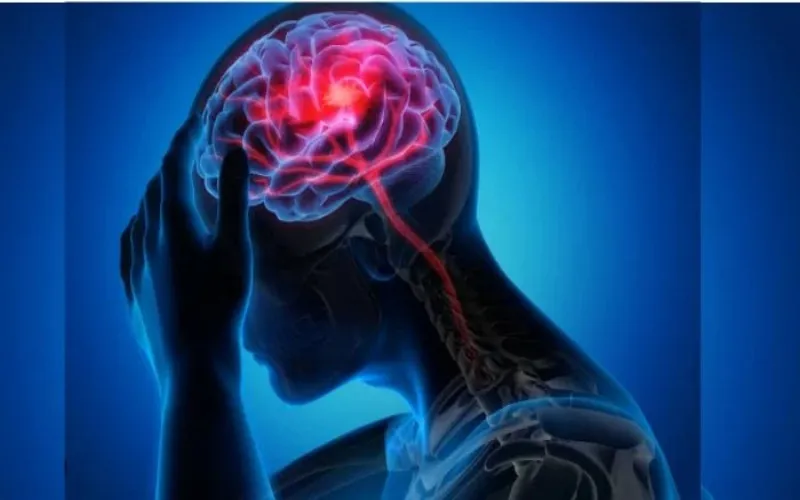
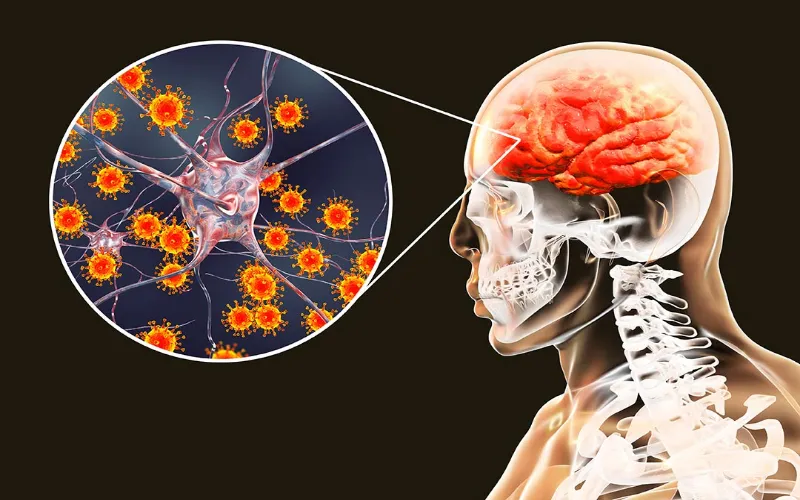
Encephalitis is a serious condition that causes inflammation of the brain. It can be triggered by viral infections or by autoimmune reactions, where the body’s immune system attacks the brain. The illness affects up to 6,000 people each year in the UK and can be life threatening.
Doctors are now saving more patients due to improved treatment. However, researchers say recovery does not always end after leaving the hospital. Many survivors continue to struggle with mental and emotional difficulties that were not well studied before.
The team analyzed 101 studies involving more than 4,700 encephalitis survivors from around the world. The research included both infection-related and autoimmune cases. Advanced statistical methods were used to measure how common different symptoms are after recovery.
The results show that around 27% of survivors experienced depression or changes in behavior. About one in five reported anxiety, emotional instability, or disinhibition that lasted months or even years after the illness. These mental health issues were found to be as common as physical problems like memory loss and seizures.
Both infectious and autoimmune forms of encephalitis showed similar mental health effects. However, mood related changes appeared slightly more often in infection-related cases.
Researchers also found that very few studies provided long term mental health follow up. They say this makes it difficult to fully understand recovery and highlights the need for better monitoring after treatment.
Experts involved in the study say mental health care should become a regular part of recovery for encephalitis patients. They also stress that many of these conditions can improve with proper treatment if identified early.
The researchers are calling for more long term studies using consistent methods. They say this will help improve care and support for people recovering from encephalitis.