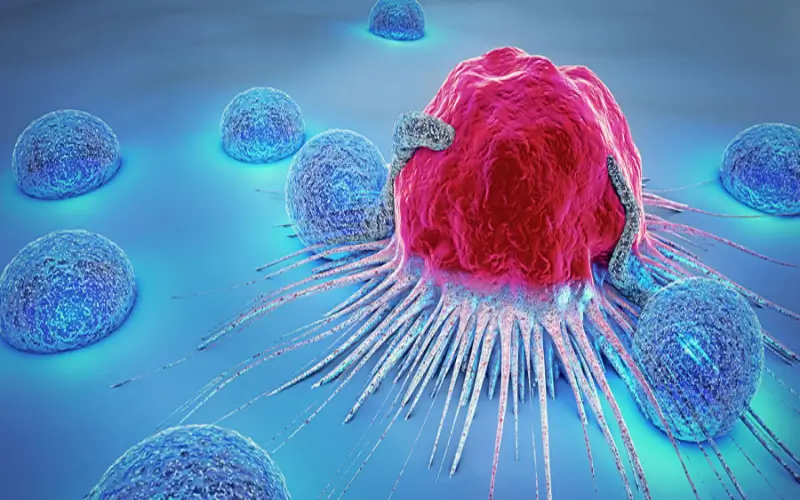
A significant new study has revealed that the use of artificial intelligence (AI) in breast cancer screening can reduce the number of dangerous and late-stage cancer cases, marking a major advancement in early detection and patient outcomes.
According to researchers, integrating AI into breast cancer screening programs improves the accuracy of mammogram analysis, helping to identify cancer at earlier and more treatable stages. Early detection remains one of the most effective ways to reduce breast cancer-related deaths worldwide.
In the United Kingdom, regular breast cancer screening already plays a crucial role in saving lives. Health estimates suggest that routine screening helps save approximately 1,300 lives each year by detecting cancer before symptoms become severe. Experts believe that the introduction of AI could further strengthen these life-saving efforts.
Data shared by the charity Breast Cancer Now highlights the progress made over the past few decades. In the 1990s, around one in seven people diagnosed with breast cancer lost their lives to the disease. Today, that figure has improved dramatically, with the death rate falling to approximately one in twenty. Advances in screening technology, treatment options, and awareness campaigns have all contributed to this improvement.
Read more: Experts warn of two emerging viruses
Currently, each mammogram screening requires analysis by two trained medical specialists to ensure accuracy. Despite this double-review system, some cancer cases are still missed, particularly in their early stages when signs can be subtle and difficult to detect. This can delay diagnosis and reduce the chances of successful treatment.
Researchers say that incorporating AI into the screening process could address this challenge. AI systems are trained to analyze thousands of mammogram images, allowing them to identify patterns and abnormalities that may be overlooked by the human eye. With AI support, screenings could be safely and effectively conducted with just one specialist, without compromising accuracy.
In fact, studies suggest that AI-assisted screening may increase detection rates while also reducing false negatives. This could ease the workload on healthcare professionals, shorten waiting times for patients, and improve overall efficiency within healthcare systems facing staff shortages.
Medical experts emphasize that AI is not intended to replace doctors but to support them. By acting as an additional analytical tool, AI can help clinicians make faster and more informed decisions, ultimately improving patient care.
Read more: Pakistan’s NIH procures Nipah virus testing kits
The findings have sparked renewed discussions about adopting AI technology more widely in national screening programs. If implemented carefully and ethically, experts believe AI could play a transformative role in the future of breast cancer detection.
As breast cancer remains one of the most common cancers affecting women globally, innovations such as AI-assisted screening offer renewed hope. Early diagnosis, combined with advanced technology, continues to be a key factor in saving lives and improving survival rates.