Staying hydrated during a heat wave is one of the most important steps you can take to protect your health. When temperatures rise, the body loses more water through sweat as it tries to stay cool. If these fluids are not replaced, dehydration can develop quickly, leading to symptoms such as thirst, dry mouth, dizziness, headache, fatigue, muscle cramps and dark urine. In severe cases, dehydration can contribute to heat exhaustion or heatstroke, both of which require immediate medical attention.
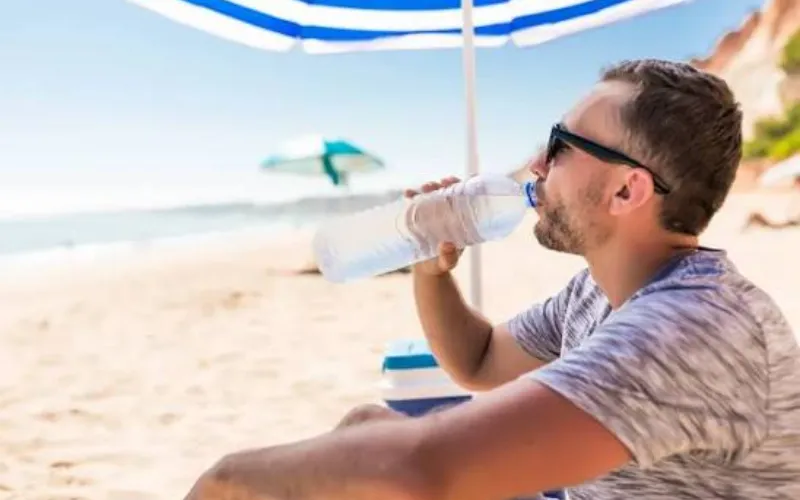
The best way to stay hydrated is to drink water regularly throughout the day, even if you do not feel thirsty. Thirst is often a sign that your body has already started losing fluids. Adults should increase their water intake during hot weather, especially if they are spending time outdoors or engaging in physical activity. Carrying a reusable water bottle can serve as a reminder to drink frequently and make it easier to stay hydrated wherever you go.
Eating water-rich foods is another simple way to maintain hydration. Fruits and vegetables such as watermelon, cucumber, oranges, strawberries, tomatoes and lettuce contain high amounts of water and essential nutrients. These foods not only help replace lost fluids but also provide vitamins and minerals that support overall health during hot weather.
It is also important to avoid drinks that can increase dehydration. Alcohol can cause the body to lose more fluids, while excessive amounts of caffeinated beverages, such as coffee and energy drinks, may contribute to dehydration in some people. Sugary soft drinks are also not the best choice because they add unnecessary calories and may not hydrate as effectively as water. If you sweat heavily, drinks containing electrolytes may help replace minerals such as sodium and potassium, but plain water is sufficient for most people.
Limiting outdoor activities during the hottest hours of the day can reduce the risk of dehydration. If possible, stay indoors between late morning and early evening, when temperatures are at their highest. If you need to be outside, wear lightweight, loose-fitting, light-colored clothing, along with a wide-brimmed hat and sunglasses. Taking regular breaks in shaded or air-conditioned areas can also help your body cool down.
Children, older adults, pregnant women and people with chronic medical conditions are more vulnerable to dehydration during a heat wave. Caregivers should encourage them to drink fluids regularly, even if they do not ask for water. Babies should be fed as usual, while older children should have easy access to water throughout the day.
It is equally important to recognize the warning signs of heat-related illness. If someone develops heavy sweating, weakness, nausea, dizziness, confusion, a rapid heartbeat or stops sweating despite feeling extremely hot, move the person to a cool place immediately, offer water if they are fully alert, and seek medical help without delay. Heatstroke is a medical emergency that requires immediate treatment.
Simple daily habits can make a big difference during extreme heat. Drinking enough water, choosing hydrating foods, avoiding excessive sun exposure, wearing suitable clothing and paying attention to your body’s signals can help prevent dehydration and reduce the risk of serious heat-related illnesses. By following these precautions, you can stay healthy, comfortable and safe throughout a heat wave.