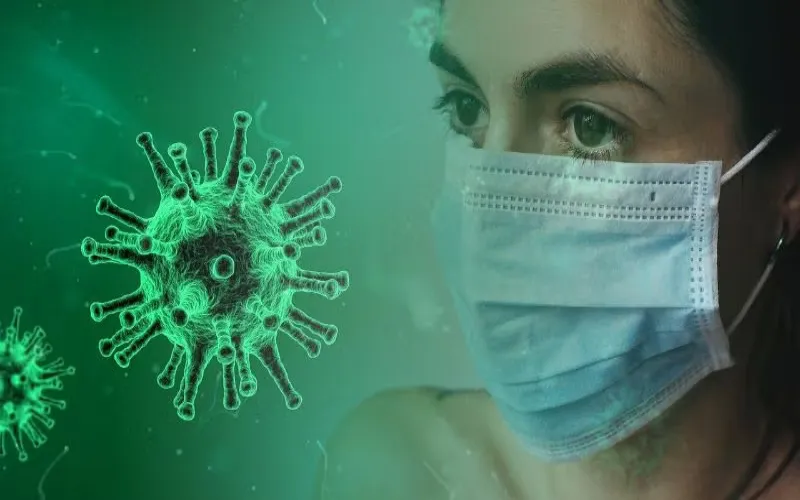
A new study published in the journal Nature found that severe COVID-19 infections can reactivate dormant viruses in the body, a finding researchers say may hold particular relevance for countries like Pakistan, where the pandemic placed significant strain on hospital systems and left many patients managing lingering symptoms long after recovery.
Researchers discovered that severe “SARS CoV 2” infections can reactivate chronic viruses such as Anelloviridae and Herpesviridae, even in people without weakened immune systems.
The study also found that continued Anelloviridae activity during recovery was linked to a long COVID pattern involving persistent physical symptoms, suggesting viral activity can extend well into the recovery period.
Compared with Pakistan, it recorded a substantial number of COVID-19 cases and hospitalizations during the pandemic and, like many countries, continues to see patients report long term symptoms after infection.
Early in the COVID-19 pandemic, scientists noticed that a SARS-CoV-2 infection can “wake up” other, dormant viruses already present in the body.
A new study extends those and subsequent observations, documenting viral reactivation for a cohort of more than 1000 patients… pic.twitter.com/GRgUj90SzU
— News from Science (@NewsfromScience) August 5, 2026
Given that Pakistan’s healthcare system, similar to many in the region, often has limited capacity for extensive post viral monitoring, findings like these could eventually help guide more targeted approaches to identifying patients at risk for prolonged complications, rather than relying solely on general recovery timelines.
The study analyzed data from more than 1,100 hospitalized COVID-19 patients in the U.S. between May 2020 and March 2021, none of whom had been vaccinated at the time. Researchers used RNA sequencing and other advanced lab techniques to track viral activity across nasal, blood, and respiratory samples over a 12-month period following hospitalization.
Reactivated viruses, including Epstein Barr virus, cytomegalovirus, and herpes simplex virus, were more common during the first weeks of hospitalization, while Anelloviridae activity persisted longer into recovery.
Researchers caution that the findings don’t prove reactivated viruses directly cause long COVID symptoms, and further studies are needed, particularly involving vaccinated populations and more recent virus variants. Still, the researchers suggest that monitoring these viral markers could eventually support more personalized care for COVID-19 patients.