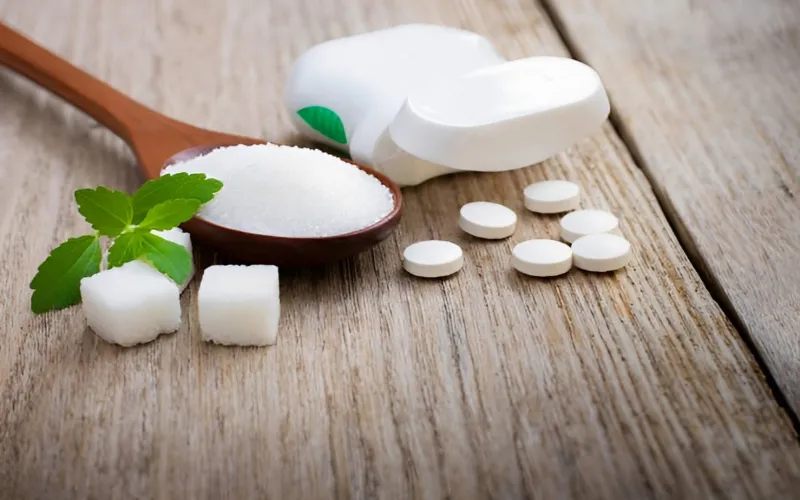
A common sweetener found in everyday foods and oral care products may be linked to a higher risk of heart attacks, strokes and other cardiovascular problems, according to new research presented at the European Society of Cardiology Congress in Munich.
Xylitol a low-calorie sugar substitute, is widely used in products such as chewing gum, toothpaste, jams and yogurt. It is also added to some foods and drinks as an alternative to regular sugar. Despite its widespread use, researchers say its long-term effects on heart health remain poorly understood.
In a large long-term analysis, researchers found that people with the highest levels of xylitol in their blood had a 57% higher risk of experiencing a major cardiovascular event or dying within six years compared with those who had the lowest levels.
The researchers also found a dose-related pattern. The link remained after researchers accounted for factors including age, sex, body mass index, high blood pressure, diabetes and cholesterol levels. Platelets help blood clot, and increased clotting activity may contribute to cardiovascular problems.
The research is observational, meaning it identified a connection between higher blood xylitol levels and cardiovascular events but cannot establish direct cause and effect. Researchers say more studies are needed to understand whether xylitol itself contributes to cardiovascular disease or whether other factors may explain the association.
The concern is gaining attention as low-calorie sweeteners become increasingly common in food and drinks. Researchers say the growing use of these products makes it important to better understand their possible long-term effects.
For now, health experts continue to emphasize a balanced diet, fewer highly processed foods and drinks, and limited intake of free sugars as part of a heart-healthy lifestyle.