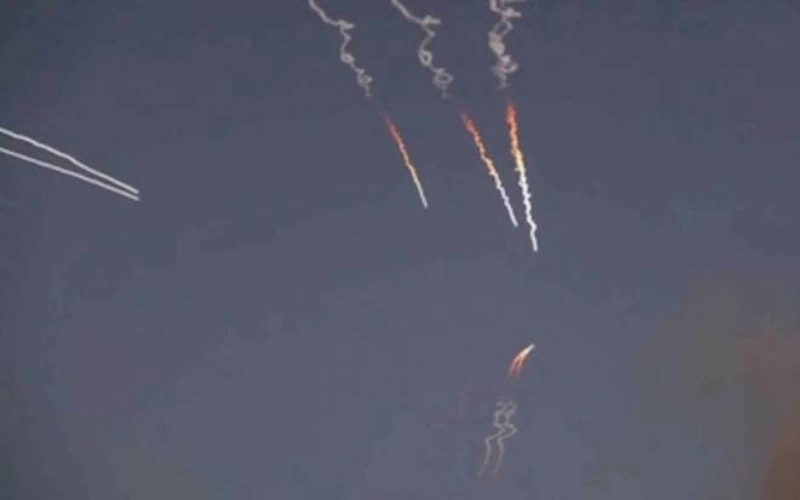
TEHRAN: Iran launched ballistic missiles at U.S. military facilities in Jordan on Monday in retaliation for a U.S. strike on Iranian forces near the Strait of Hormuz, reigniting tensions after weeks of relative calm in the six-month conflict.
The Islamic Revolutionary Guard Corps said it targeted the King Hussein and Al Azraq bases in Jordan and claimed to have caused heavy damage. Jordan’s military said it intercepted eight missiles that entered its airspace, while early reports did not indicate significant damage at the bases.
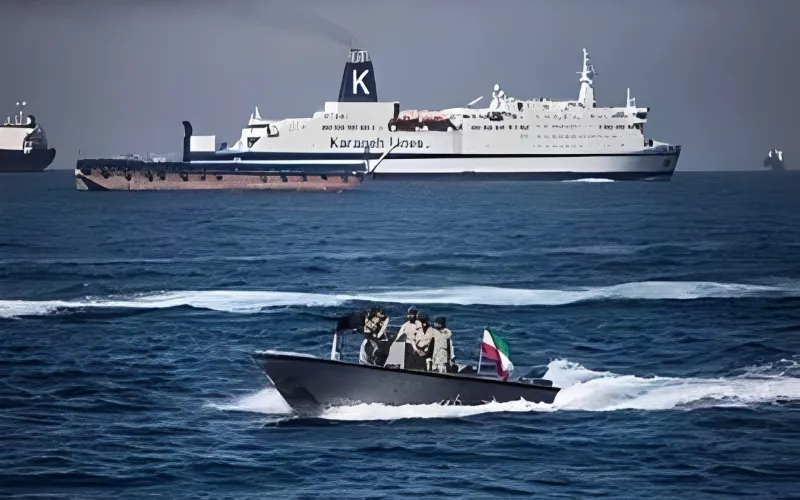
The Iranian attack came hours after U.S. forces struck two Iranian rocket launchers on Larak Island, near the Strait of Hormuz. U.S. Central Command said Iranian forces were preparing to launch rockets carrying sea mines into the strategic waterway, which could threaten international shipping.
“U.S. forces took limited, precise action against IRGC minelaying forces posing an imminent threat in the Strait of Hormuz,” Central Command said.
Iran condemned the operation, saying it killed and wounded Iranian personnel and civilians. The IRGC described its missile attack as retaliation for what Iranian officials called U.S.-Israeli aggression.
Hormuz tensions threaten global energy supplies
The Strait of Hormuz remains a critical pressure point in the conflict because it carried about one-fifth of the world’s oil supply before the war. Any prolonged disruption could affect energy markets, shipping costs and global inflation.
U.S. Central Command said American forces had recently completed clearing sea mines from international shipping routes and remained prepared to protect commercial traffic through the waterway.
Read More: U.S. shifts Iran strategy from military strikes to sanctions, Rubio says
The latest escalation immediately affected oil markets. Brent crude rose above $90 a barrel, while U.S. West Texas Intermediate climbed above $85 as traders assessed the risk of further disruption around the strait.
Trump signals continued pressure on Tehran
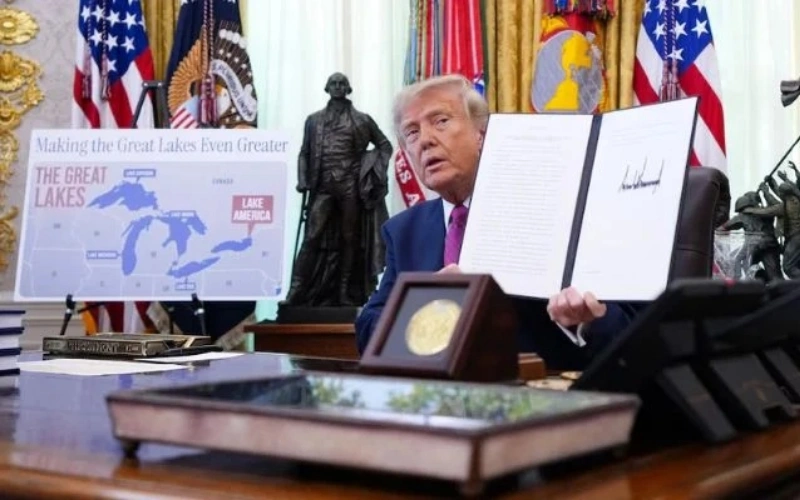
President Donald Trump said Sunday that Iran’s Kharg Island was being “blown to smithereens” after U.S. forces carried out the strike near the Strait of Hormuz. His remarks came as Washington increased pressure on Tehran through both military and economic measures.
Kharg Island is a major hub for Iran’s oil exports, making any damage there potentially significant for the country’s ability to sell crude and generate revenue.
The U.S. strike on Larak Island was the first publicly acknowledged American military action against Iranian forces in weeks. Washington said the operation was defensive and aimed at preventing an imminent threat to shipping.
The Trump administration has also relied increasingly on economic pressure, including measures targeting Iran’s ability to generate revenue and maintain international trade.
Renewed fighting threatens diplomatic progress
The latest exchange comes as efforts to ease the conflict face renewed pressure. A period of reduced fighting had raised hopes that diplomatic efforts could produce a broader agreement, but the latest strikes have again increased the risk of escalation.
Iran has previously targeted U.S. military facilities and American allies across the region during the conflict, while Washington has repeatedly warned Tehran against attacks that could threaten U.S. personnel or international shipping.
The renewed violence also comes amid political debate in Washington over the direction and cost of the conflict. Critics of the administration have questioned whether the military campaign is achieving its stated objectives while increasing risks for U.S. forces and the wider region.
The latest exchange of fire underscores the fragility of the relative calm that had prevailed in recent weeks and raises fresh concerns that fighting could expand beyond Iran and the Strait of Hormuz.