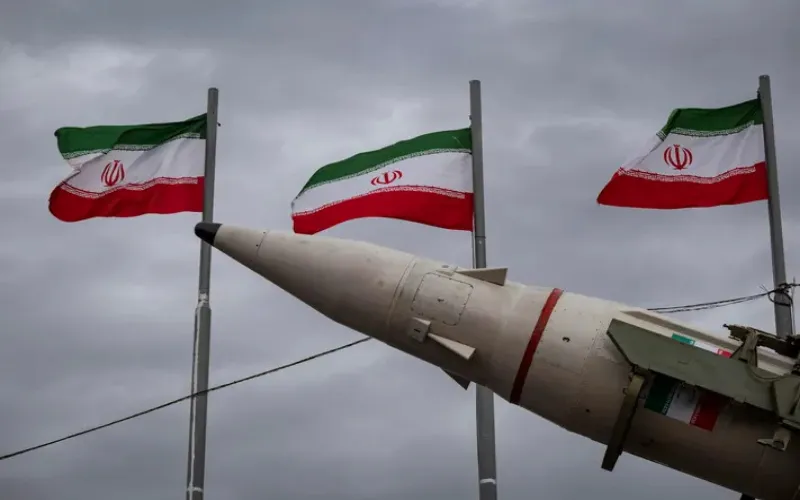
WASHINGTON: Iran launched multiple ballistic missiles at U.S. forces in the Middle East on Tuesday in what the U.S. military described as an attempted surprise attack, ending a short pause in hostilities between Tehran and Washington.
U.S. Central Command said all missiles were intercepted, while regional tensions increased over possible impacts on security and energy supplies.
Iran reportedly targeting a U.S. military base in Jordan. U.S. Central Command, American forces successfully intercepted all incoming missiles and prevented damage from the strike.
The attack marked a return to direct military exchanges after a brief break in fighting that had raised hopes of renewed diplomatic efforts between the two countries. Iran has not publicly commented on the reported missile launch.
Meanwhile, the U.S. military and Saudi Arabian forces carried out strikes against in eastern Iraq. The U.S. command said the operation targeted multiple logistics and weapons sites linked to groups accused of carrying out drone attacks.
The strikes were a response to more than 30 drone attacks directed by Iran’s Islamic Revolutionary Guard Corps (IRGC), over the previous 72 hours. The U.S. military warned Iran and its allied groups to stop attacks to avoid further retaliation.
Earlier Tuesday, Saudi Arabia said its forces had intercepted and destroyed drones targeting oil facilities in the country’s eastern region. Saudi officials alleged that Iran-backed militia groups in Iraq were responsible for launching the drones.
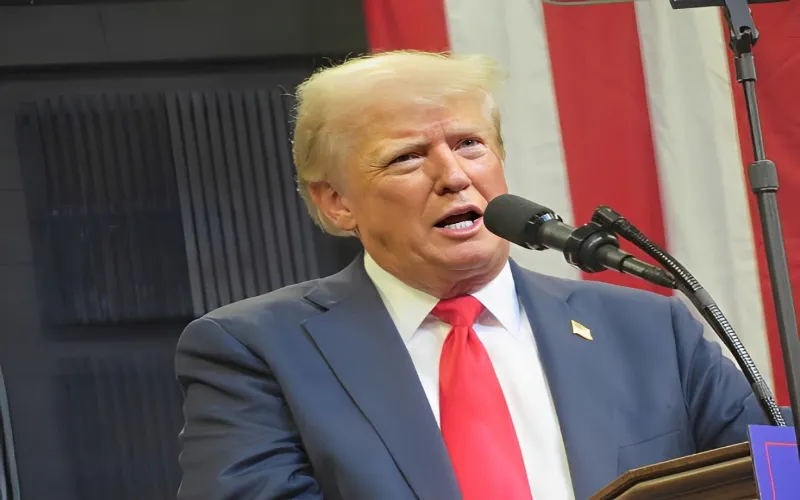
The renewed military exchanges came just one day after President Donald Trump said there were “very friendly negotiations” taking place with Iran. Tehran, however has denied that direct talks are underway.
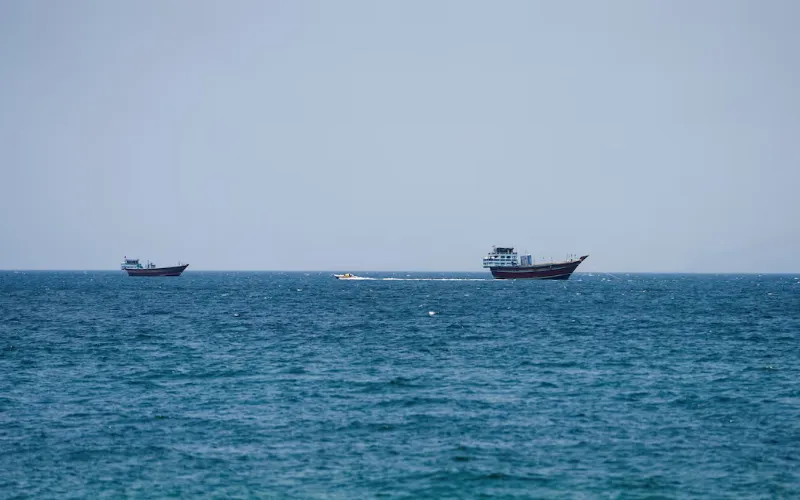
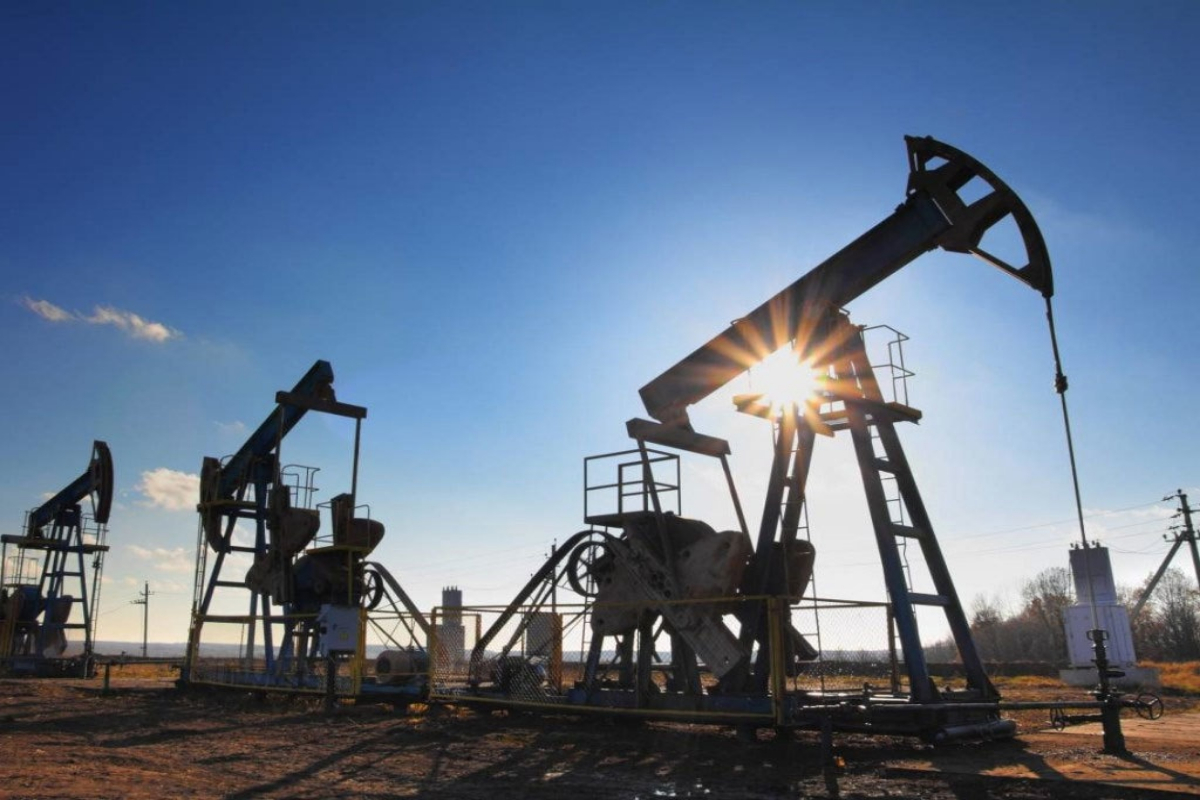
The Strait of Hormuz remained a major issue in the conflict, with the strategic waterway serving as a key route for global oil shipments, concerns over possible disruptions pushed oil prices higher on Wednesday.
Brent crude, the global oil benchmark, rose more than 4% in Asian trading to about $87.70 per barrel, while U.S. oil prices also increased as markets reacted to fears of a wider regional escalation.
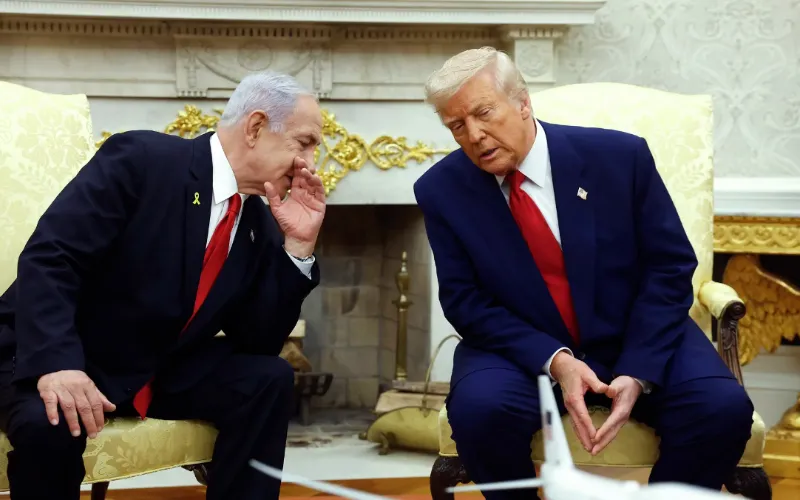
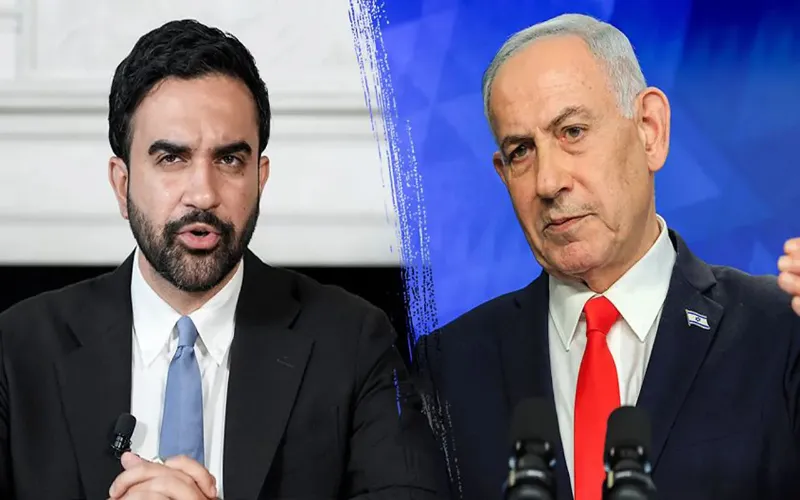
The latest developments occurred during Israeli Prime Minister Benjamin Netanyahu’s visit to Washington, where he met with Trump at the White House.
Pentagon data showed that at least 624 U.S. military personnel have been wounded since Trump ordered strikes against Iran in February. Officials said 417 injuries were linked to Operation Epic Fury, a joint U.S., Israeli military campaign against Iran.