In a major development with far-reaching geopolitical implications, Iran’s Supreme Leader Mojtaba Khamenei has confirmed that he authorised the memorandum of understanding signed between the Iranian and US presidents despite holding reservations after receiving assurances from senior Iranian officials that the country’s sovereignty and the interests of the “Resistance Front” would be fully safeguarded.
In a written message to the Iranian nation, Khamenei stated that President Masoud Pezeshkian, in his capacity as head of the Supreme National Security Council, had assumed full responsibility for ensuring the agreement protects Iran’s national interests.
He added that Tehran would not yield to external pressure if Washington presented what he described as excessive or unreasonable demands.
He further emphasised that future direct engagement with the United States should not be interpreted as acceptance of “the enemy’s position,” signalling that Iran’s cautious and defensive diplomatic posture remains intact despite the agreement.
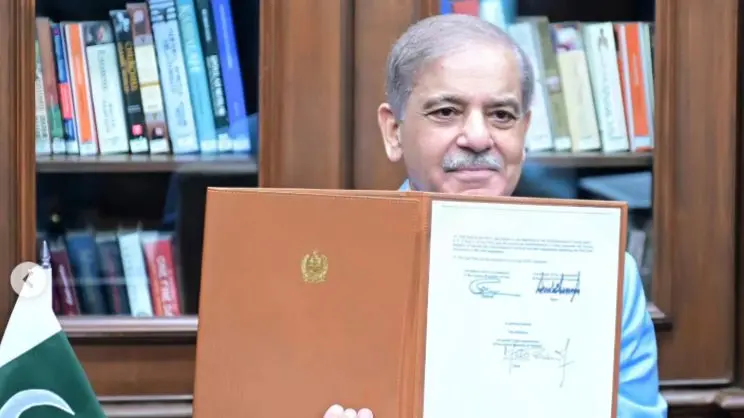
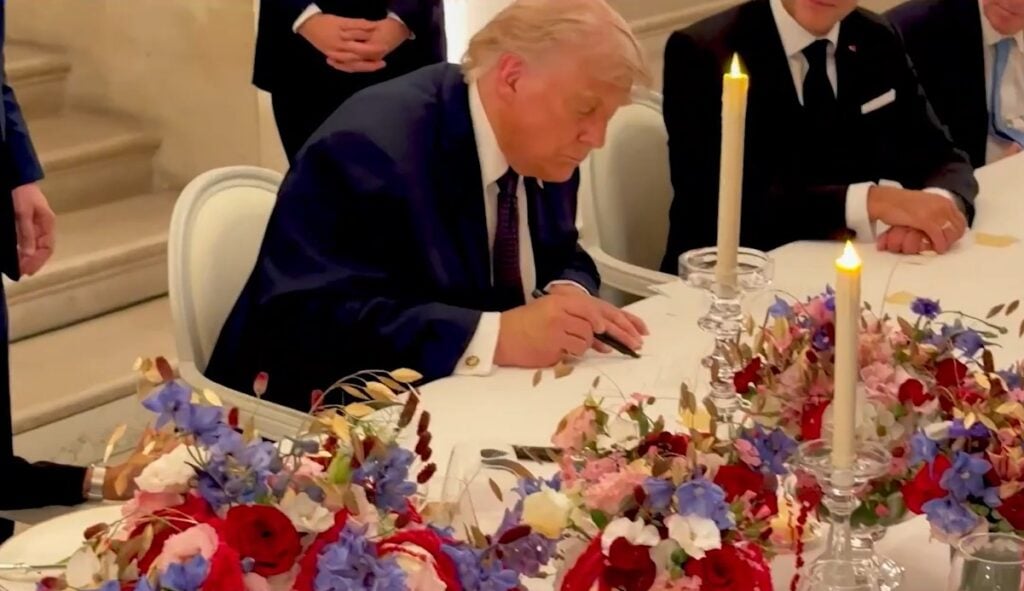
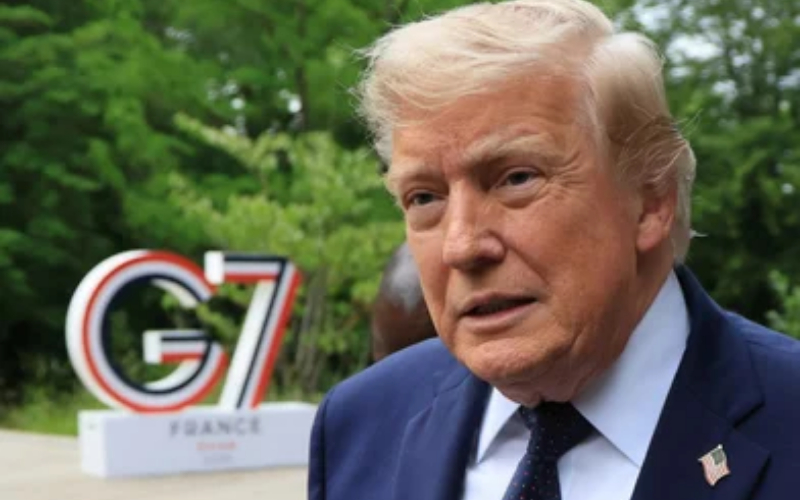
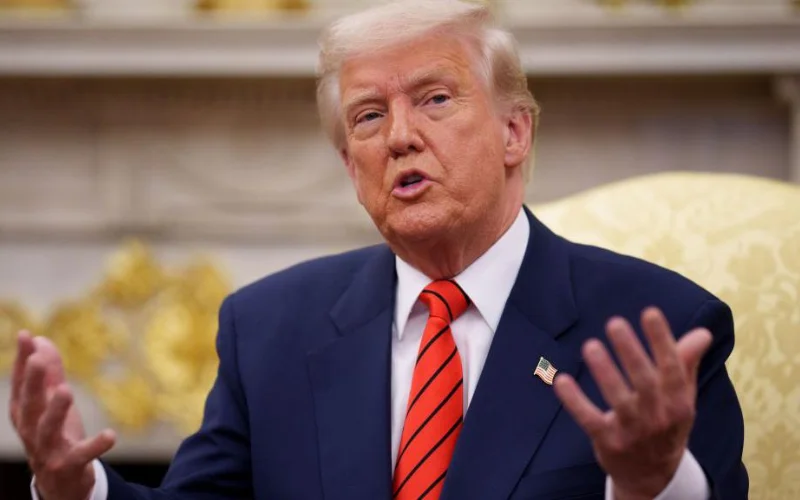
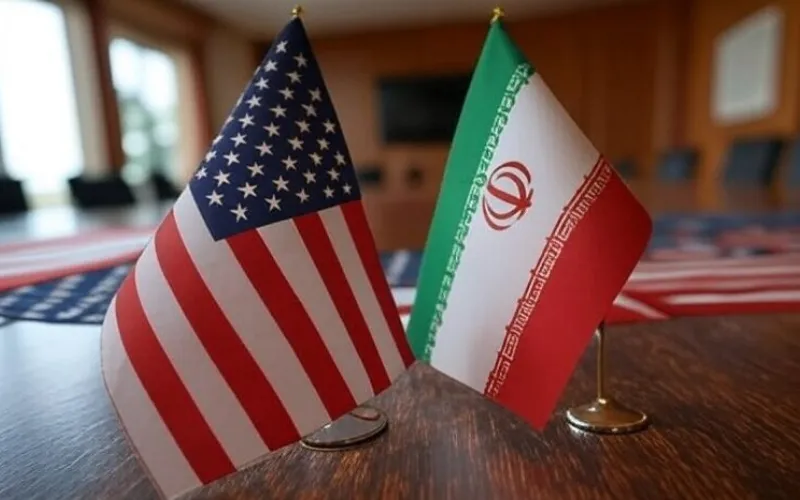
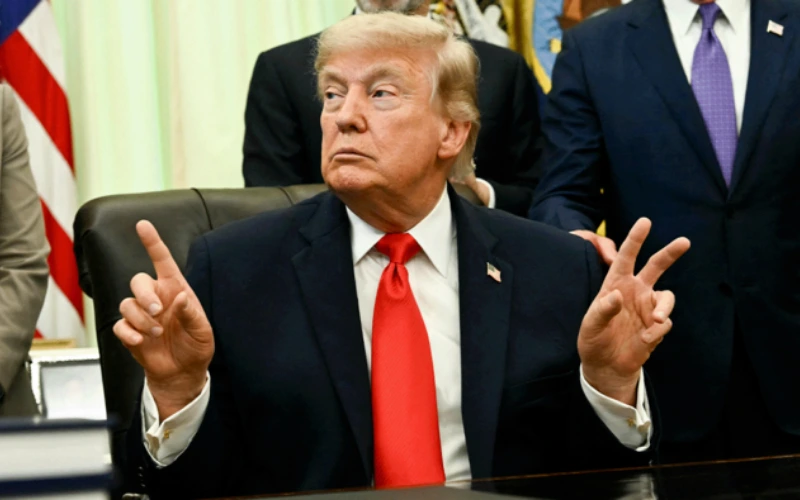
The signing of the memorandum between US President Donald Trump and Iranian President Masoud Pezeshkian has triggered a 60-day framework for broader negotiations covering critical issues, including Iran’s nuclear programme.
However, uncertainty continues to surround the next phase of diplomacy, with it still unclear whether the two sides will proceed with previously reported talks in Switzerland.
Following the announcement, global oil markets reacted sharply, with prices declining amid expectations of improved energy flows. Despite this, maritime movement in the Strait of Hormuz remained cautious.
The strategic waterway one of the world’s most vital energy corridors had been disrupted during recent hostilities but is now expected to reopen under the terms of the agreement.
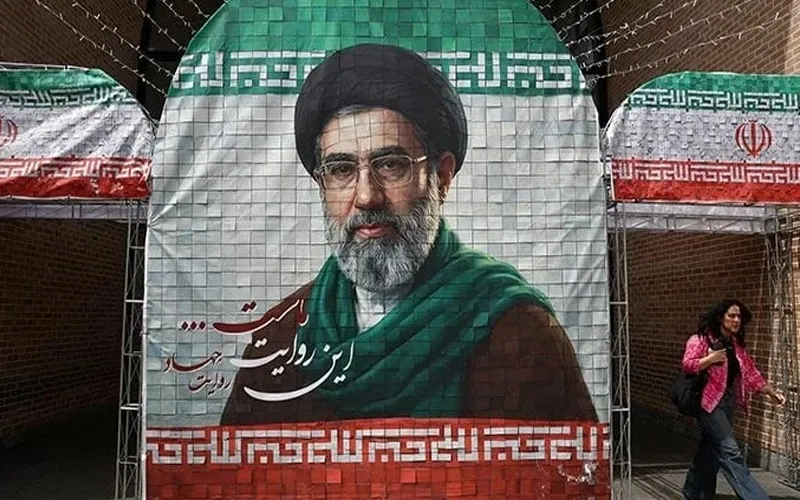
Mojtaba Khamenei, who assumed leadership following the death of his father, Ali Khamenei, reportedly said he approved the deal while maintaining a “different assessment” of its implications. He stressed that his decision was based on firm assurances from senior officials that Iran’s sovereignty, economic interests, and strategic priorities would not be compromised.
He did not elaborate on his personal reservations. His predecessor, Ayatollah Ali Khamenei, had historically allowed diplomatic negotiations to proceed under strict oversight while avoiding direct public endorsement.
Since assuming office, Mojtaba Khamenei has remained largely out of public view, and his role in shaping Iran’s post-conflict foreign policy is expected to come under increasing international scrutiny in the coming months.
On the operational front, maritime activity showed early signs of normalisation. US naval forces reportedly lifted a blockade that had restricted movement to and from Iranian ports, while American warships continue to maintain a presence in surrounding waters as a precautionary measure.
Shipping through the Strait of Hormuz has gradually resumed, with several vessels including oil tankers and liquefied natural gas carriers observed transiting the critical route. Iranian authorities have also introduced a new regulatory mechanism requiring vessels to obtain clearance before passing through the strait, while suspending transit fees for an initial 60-day period in line with the agreement.
US Vice President JD Vance has indicated that technical-level negotiations with Iran are expected to take place in Switzerland over the weekend, although he noted that the schedule remains fluid and subject to change. Iranian officials, however, have said that no final confirmation has been issued regarding the delegation’s travel plans.
Despite diplomatic momentum, uncertainty continues to shadow the durability of the agreement. Analysts and regional observers caution that while the deal represents a temporary de-escalation, structural tensions between Washington and Tehran remain deeply entrenched.
The agreement is widely viewed as an attempt to formally wind down the recent US-Israel-Iran conflict, which escalated into weeks of intense confrontation before a ceasefire earlier this year. Nevertheless, questions persist over whether the current framework will translate into lasting stability.
In Washington, the agreement has drawn mixed political reactions. Former President Donald Trump described the deal as a “victory” and defended it against criticism, while some US lawmakers argued that Iran’s nuclear ambitions remain insufficiently constrained.
Inside Iran, responses have also been divided. While senior officials, including chief negotiator Mohammad Bagher Ghalibaf, framed the agreement as a diplomatic setback for Washington, President Masoud Pezeshkian described it as a “historic achievement” for Iranian diplomacy.
In Europe, officials involved in facilitating discussions have expressed cautious optimism, while emphasising that the situation remains fragile and highly fluid.
As the 60-day negotiation window begins, the memorandum marks a pivotal yet uncertain chapter in US–Iran relations one defined as much by diplomatic opportunity as by lingering mistrust and geopolitical risk.