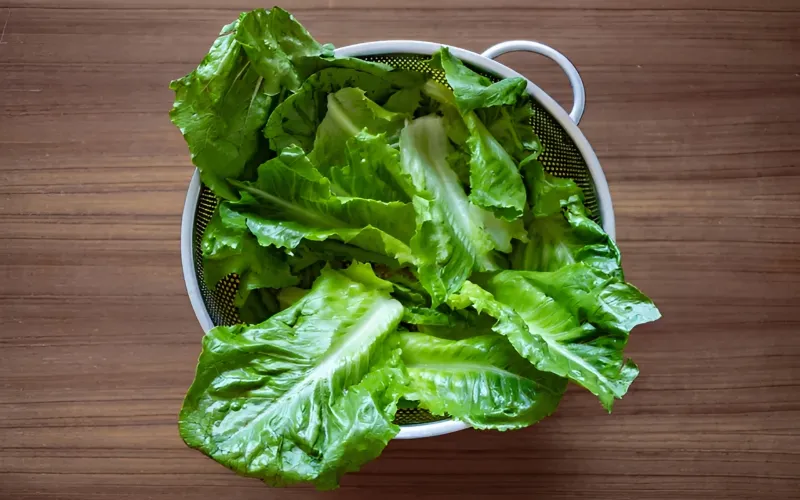
MICHIGAN: Health officials in Michigan say lettuce and salad greens may be a potential source of a growing cyclosporiasis outbreak that has now been reported in at least 34 states of thw world.
Cyclosporiasis is a parasitic infection known for causing severe, sudden diarrhea. Investigators haven’t ruled out other food sources and have not pin-pointed a specific type of produce, grower, or supplier responsible for the outbreak.
Natasha Bagdasarian, Michigan’s chief medical executive, said early findings have repeatedly pointed to lettuce as a common product showing up throughout the investigation, and that officials will share updates as more information becomes available.
The Centers for Disease Control and Prevention notes that past cyclosporiasis outbreaks have been tied to other types of produce, including raspberries, basil, cilantro, snow peas, and mesclun lettuce. Even so, health officials say it remains unclear exactly how the parasite responsible, cyclospora, ends up contaminating food and water supplies.
View this post on Instagram
Beyond watery and sudden diarrhea, symptoms can include appetite loss, unintended weight loss, bloating, gas, nausea, and fatigue. According to the CDC, more than 141 people across the U.S. have been hospitalized due to the infection. Over 5,100 additional cases are still being reviewed to confirm whether they’re linked to cyclosporiasis.
The CDC recommends washing hands with soap and water before handling raw fruits and vegetables. Produce should be washed thoroughly, even when labeled pre-washed, using a clean brush. Damaged or bruised sections should be cut away before eating, and washed produce should be refrigerated as soon as possible, ideally within two hours.
Standard sanitizing methods aren’t likely to eliminate the parasite. However, Michigan health officials recommend cooking produce when possible, since heating food to at least 158 degrees Fahrenheit can kill cyclospora. Peeling fruits and vegetables can also help lower risk, since parasites often live on outer surfaces.