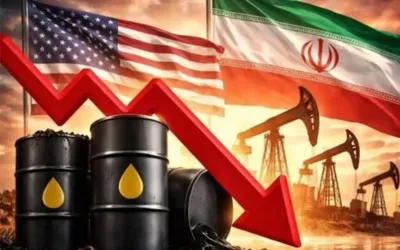
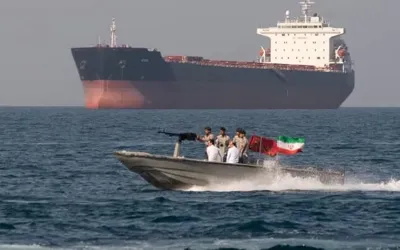
Oil prices edged lower on Tuesday and were set for a monthly decline as investors weighed uncertainty over potential US-Iran talks in Doha alongside continued instability in the Strait of Hormuz, a key global energy shipping route.
Brent crude futures for August, which expire on Tuesday, fell 0.9%, or 64 cents, to $72.51 per barrel at 0356 GMT. Prices are roughly $20, or 22%, lower than last month’s closing levels. The more actively traded September contract declined 0.4%, or 31 cents, to $73.60 per barrel.
US West Texas Intermediate (WTI) crude for August dropped 0.6%, or 39 cents, to $70.36 per barrel. WTI is set for a monthly loss of around $17, or 19%, compared with the May 29 close. Both Brent and WTI have now returned close to levels seen before the escalation of the conflict in late February.
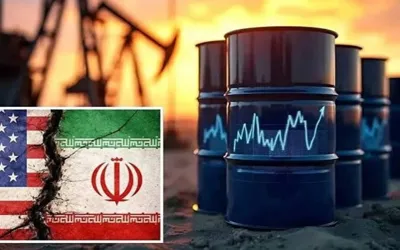
Investor sentiment was driven by expectations of possible diplomatic engagement in Doha, although uncertainty remains over whether US and Iranian officials will actually meet.
“Investors are pricing in hopes of a positive outcome from the Doha talks, even though real normalization of flows through the Strait of Hormuz is not yet visible,” said Tim Waterer, chief market analyst at KCM Trade.
“The market is cautiously hopeful but still hedging its bets until we see more tangible signs of de-escalation,” he added.
Read More: Oil prices firm as US-Iran clashes disrupt key shipping lane
Iranian Deputy Foreign Minister Kazem Gharibabadi said Iranian and Omani experts would begin discussions in the coming days on transit routes through the Strait of Hormuz. He warned that vessels deviating from designated paths could face restrictions.
However, Iranian Foreign Ministry spokesperson Esmaeil Baghaei said no negotiations with the United States have been scheduled in the coming days, directly contradicting earlier remarks from Washington.
US President Donald Trump said discussions in Doha could be significant but added uncertainty over the outcome, saying, “We’re going to find out.”
The conflicting statements highlight ongoing fragility in a June 17 agreement aimed at pausing months of conflict and restoring stability in the Gulf, particularly around the Strait of Hormuz, through which a significant share of global oil flows.
The truce has been repeatedly tested by renewed strikes and accusations between Washington and Tehran, raising concerns over its durability.
Analysts also pointed to weakening demand signals, particularly from China, the world’s largest crude importer.
“We wait for more evidence of a rise in Chinese buying but cannot yet bet on a big return to the market,” said Neil Crosby, head of research at Sparta Commodities.
Despite ongoing security concerns and sporadic attacks in the region, Middle Eastern producers are continuing oil and liquefied natural gas shipments through the Strait of Hormuz.
Shipping data showed vessel traffic last week reached its highest level since the conflict began in late February, suggesting cautious normalization even amid geopolitical risks.