Brent crude futures rose by 58 cents, or 0.8%, to $72.57 per barrel at 0207 GMT, while U.S. West Texas Intermediate (WTI) crude gained 88 cents, or 1.3%, to $70.11 per barrel.
Market analysts said ongoing geopolitical tensions continue to pose significant risks to global oil supply, even as traders remain focused on expectations of a gradual recovery in international crude flows.
However, they cautioned that any delay in restoring stable supply routes could lead to further upward pressure on prices.
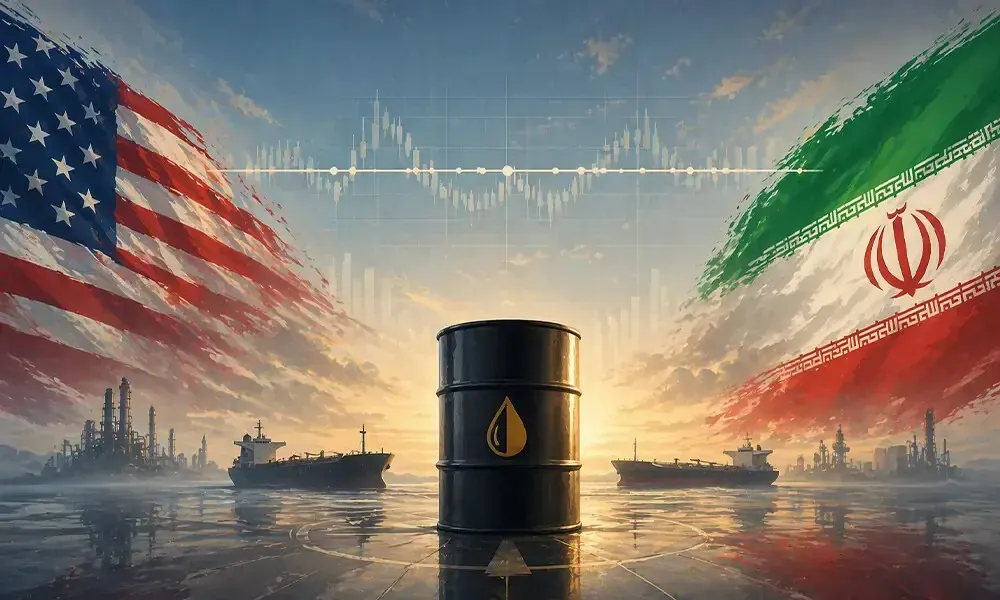
Brent crude had fallen 10.6% last week, marking its third consecutive weekly decline, after shipments through the Strait of Hormuz rose to their highest level since the outbreak of conflict involving the United States, Israel, and Iran in late February.
Read More: Oil prices fall 3.2% as supply fears ease in Strait of Hormuz
However, maritime traffic has since slowed again following renewed attacks on vessels in the Strait, including a Qatar-linked oil tanker on Thursday.
The incidents triggered retaliatory strikes between the United States and Iran, marking the most serious escalation since the interim peace agreement was signed.
Despite the escalation, oil price gains were partially capped after reports that the United States and Iran had agreed to halt recent hostilities in the Gulf and resume negotiations over disputes linked to the Strait of Hormuz, according to a U.S. official.
Saudi Aramco resumed crude loadings at its Ras Tanura terminal, west of the Strait of Hormuz, after a nearly four-month suspension as producers increased output and exports ahead of the interim deal.
Operations continued even after a helicopter crash at the facility on Sunday, which resulted in 14 fatalities. The cause of the incident remains under investigation.
Physical oil flows remain under pressure due to tanker congestion, damaged infrastructure, and production disruptions. Full normalization of supply conditions is expected to take considerable time as logistical and operational challenges persist across the region.