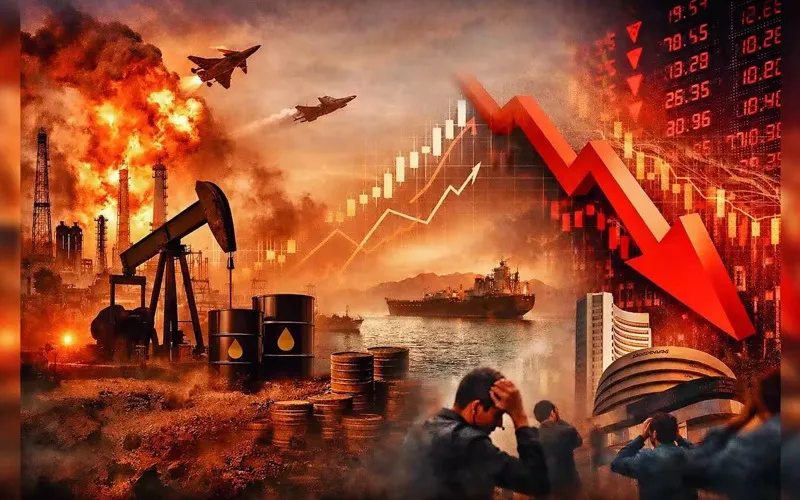
London: Global financial markets remained uncertain on Tuesday as investors closely monitored developments in the Middle East, with oil price movements, potential supply disruptions and geopolitical risks shaping market sentiment.
Brent crude prices moved lower after reaching a one-month high, following reports of diplomatic efforts aimed at reducing tensions between the United States and Iran.
The decline in oil prices provided temporary support to global markets, although investors remained cautious due to continued uncertainty in the region.
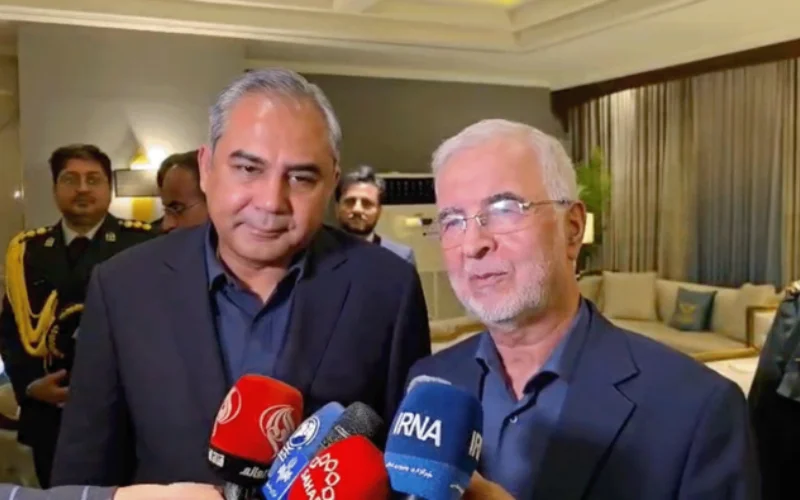
Reports suggested that Iran had received a 10-day ceasefire proposal from international mediators, raising hopes of a possible reduction in hostilities. However, market participants remained cautious, noting that previous ceasefire efforts had failed to deliver a lasting resolution.
Read More: UAE’s non-oil foreign trade jumps 13.1% YoY in H1
Despite the easing in crude prices, concerns over global energy supplies continued to influence investor decisions.
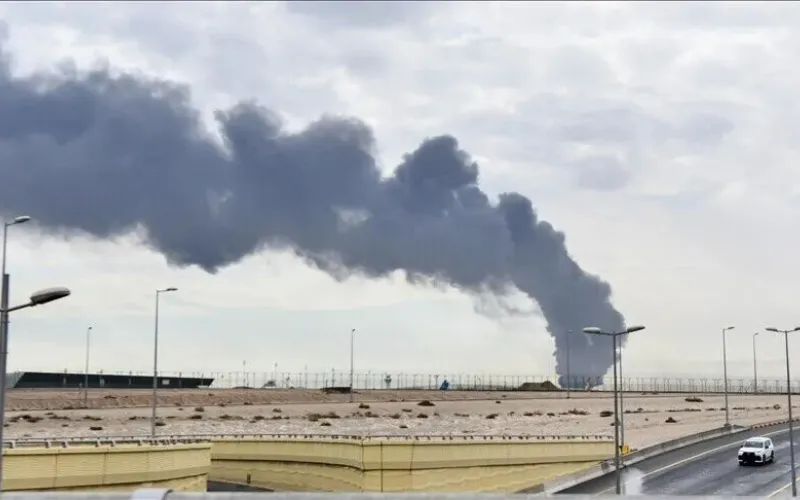
Yemen’s Iran-backed Houthi movement announced plans to impose a naval blockade on Saudi Arabia, raising fears of further disruptions to oil shipments from the Gulf region.
Analysts said any disruption to major shipping routes could affect global oil supplies and keep energy markets volatile in the coming weeks.
Lower oil prices helped improve sentiment across Asian markets, particularly among semiconductor companies.
South Korea’s KOSPI index gained nearly 5%, supported by a rebound in technology stocks. However, broader market concerns remain over artificial intelligence (AI) investments, high valuations and whether major spending on AI infrastructure will generate expected returns.
Investors are now focused on upcoming corporate earnings reports to assess the future outlook for the technology sector.
European stock futures pointed to a weaker opening as investors continued to assess the impact of Middle East tensions on inflation and economic growth.
Analysts said rising uncertainty has pushed bond yields higher, while investors have turned toward the US dollar as a safe-haven asset amid heightened market risks.
Meanwhile, Britain’s new Prime Minister Andy Burnham faces several economic challenges, including weak growth, fiscal pressures and the impact of the Middle East conflict on the global economy.
Burnham has said his government will maintain existing fiscal rules while using available flexibility to support economic priorities.
Analysts expect global markets to remain sensitive to developments in the Middle East, with oil prices likely to remain a key driver of investor sentiment in the near term. Any further escalation in the region could increase pressure on energy markets and broader economic conditions.