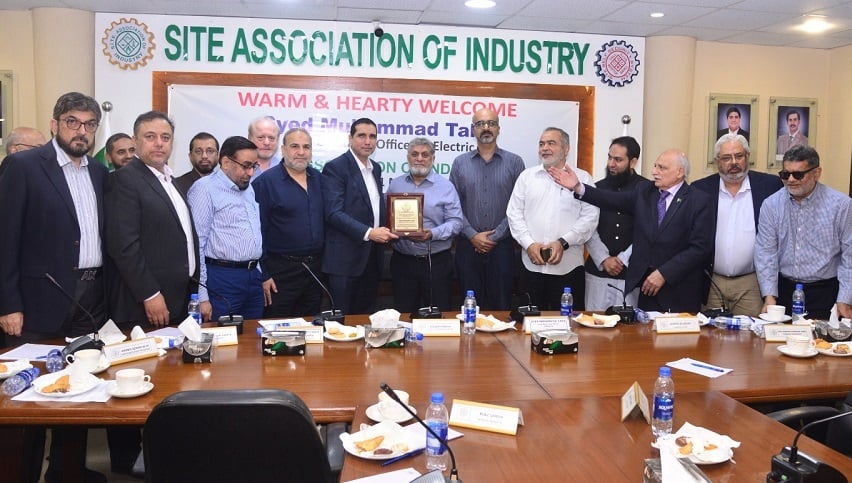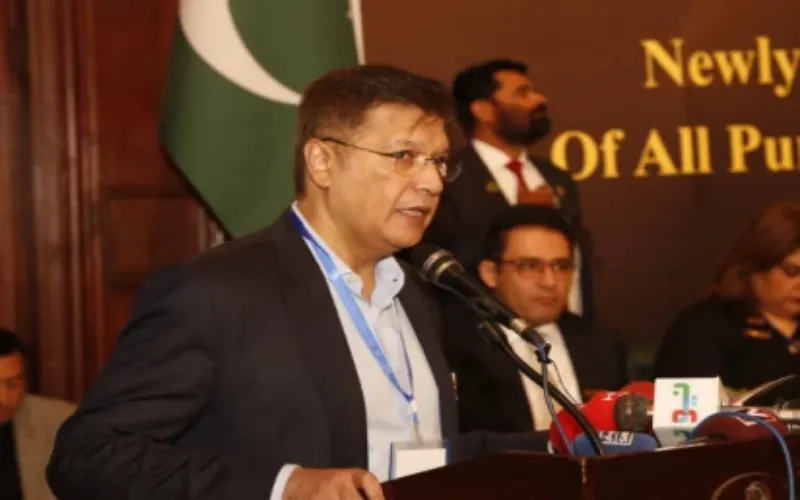
KARACHI: Patron in Chief of the United Business Group (UBG) and former caretaker provincial minister S.M. Tanveer has strongly criticized Pakistan’s proposed Indicative System Plan (ISP) 2025-35 energy plan and urged National Electric Power Regulatory Authority ( NEPRA) to reject and redesign it.
He called the plan unrealistic and financially dangerous for the country’s economy. According to Tanveer, Pakistan already has around 40,000 MW of installed electricity generation capacity, while the country’s peak power demand has dropped to nearly 28,000 MW.
He said electricity demand has been declining over the past three years because many consumers and industries have shifted toward private solar energy systems. He added that more than 45 GW of solar panels have already been installed across the country.
Despite the falling demand, the proposed plan suggests adding another 26,043 MW of generation capacity. Tanveer questioned the logic behind investing billions of dollars into new power projects when existing capacity is already underused.
He warned that the proposed expansion could place a massive financial burden on consumers and further increase electricity prices.Tanveer stated that Pakistan’s power sector is already facing serious pressure due to high capacity charges.
He explained that nearly 52.6% of electricity bills currently consist of capacity payments made to power producers, even when electricity is not fully consumed. He said the new plan could push tariffs to record levels and make electricity unaffordable for households and industries.
He also highlighted major weaknesses in the country’s transmission system. According to him, Pakistan loses around 18% to 20% of generated electricity due to outdated infrastructure and system inefficiencies.
He argued that reducing these losses to the international standard of 10% could save nearly Rs. 570 billion every year without requiring major new investments.Tanveer further criticized the planning process behind the project, especially the use of the PLEXOS model.
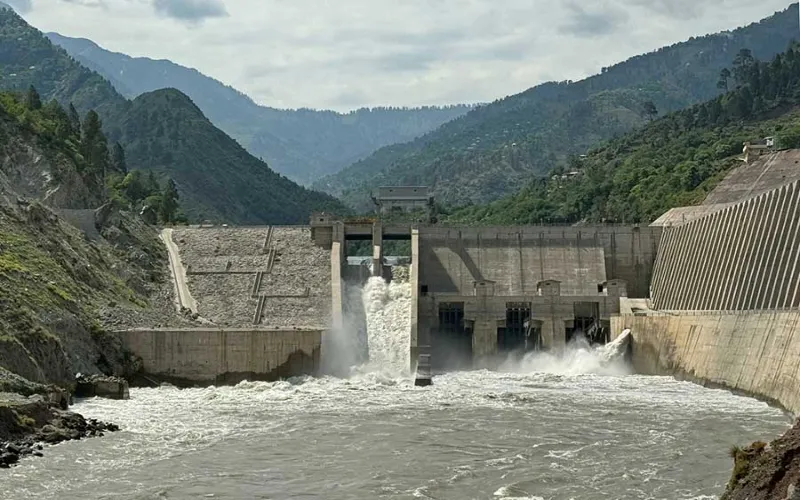
He claimed that expensive mega projects like Diamer Bhasha and Dasu dams were already included as mandatory projects, which limited fair and cost effective planning. Referring to past examples, he pointed out that projects such as Neelum-Jhelum faced massive cost overruns, increasing by thousands of percent over original estimates.
Although he acknowledged the long term importance of dams and nuclear energy for national energy security, he demanded strict controls over project costs.
He said any extra financial burden should be covered by the government through development funds instead of being transferred directly to consumers through electricity bills.Tanveer also warned that Pakistan’s industrial sector and exporters are losing competitiveness in international markets due to high energy costs.
He urged the government to revise the entire power plan with realistic demand projections, transparent pricing details, and strict limits on future project cost increases. “Pakistan cannot afford a plan that leads to its own financial destruction,” he concluded.