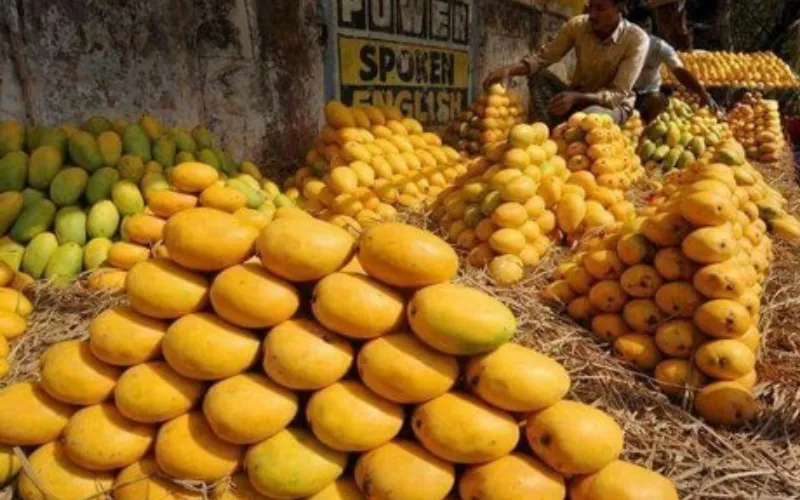
Pakistan mango industry is facing major challenges this year as ongoing tensions and conflict in the Middle East have reduced export demand and increased shipping costs.
Farmers and exporters fear heavy financial losses during the 2026 mango season. Pakistan is known as one of the world’s largest mango exporters and produces more than two dozen varieties of the fruit.
Every year, mango exports generate around $110 million for the country. However, exporters expect overseas sales to fall by nearly 30% this season.
According to fruit exporters, most Pakistani mangoes are sold to Gulf countries, Iran, and Afghanistan. Due to conflicts in these regions, trade routes have been disrupted and demand has decreased. Border closures with Afghanistan and instability in Iran have further affected exports.
Another major problem is the sharp rise in shipping costs. Exporters say that sending a container of mangoes abroad cost around $1,400 last year, but now the same shipment costs between $6,000 and $7,000. These higher expenses have made exports less profitable for traders.
Farmers in Sindh, Pakistan’s main mango growing region, are also worried. Some orchard contractors have reportedly left their agreements because they fear they will not recover their investment.
Growers say they are struggling to cover the costs of orchard leases and production. While fewer exports have increased the supply of mangoes in local markets, domestic sales are also weak. Mango prices have fallen to around Rs 200 per kilogram, nearly half of last year rates.
However, many families are still unable to afford the fruit because of rising living expenses and inflation. Pakistan inflation rate increased significantly after the regional conflict began, putting pressure on household budgets. As a result, many consumers are prioritizing essential items such as food and daily necessities over seasonal fruits.
Industry experts believe that unless regional stability improves and trade routes reopen, Pakistan mango sector may continue to face difficulties, affecting thousands of farmers, exporters, and workers who depend on the “king of fruits” for their livelihood.