Pakistan’s electricity generation rose a modest 1.2% in fiscal year 2025-26, reaching 128,699 gigawatt hours, according to industry data.
Disruptions to liquefied natural gas supplies and weak demand kept growth limited. Annual generation has stayed largely flat at around 128,000 GWh over the past four years, well below the 145,094 GWh peak recorded in FY22, despite lower electricity tariffs and improving economic conditions.
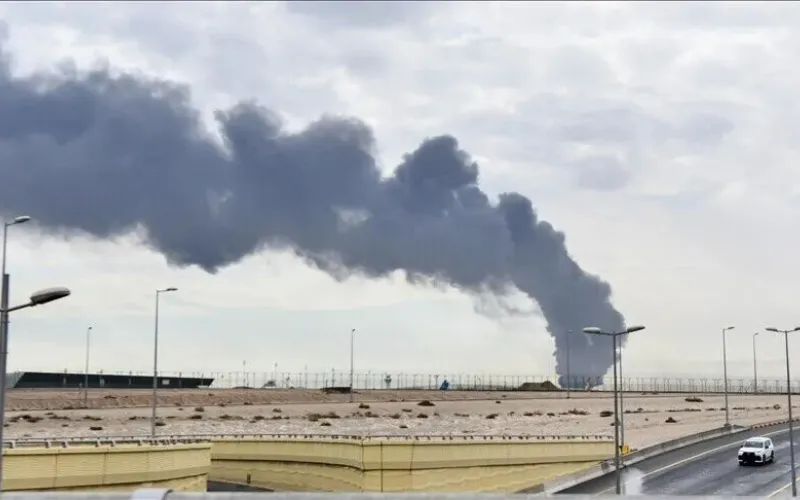
In June alone, generation fell 2.3% year on year to 13,431 GWh, as LNG supply issues and softer demand offset gains from imported coal on a monthly basis generation rose 6.3% due to seasonal factors.
Analysts say output remained below NEPRA’s reference levels for another month, pointing to government austerity measures, increased load shedding from RLNG disruptions, and continued growth in rooftop solar and other distributed generation.
View this post on Instagram
The sluggish demand persisted even as tariffs fell, industries returned to the national grid, and incentive packages targeted industrial and agricultural users. Large scale manufacturing grew 5.8% year on year during the first 11 months of FY26, suggesting broader economic activity hasn’t yet translated into stronger electricity demand.
Furthermore, in a move that will lower electricity bills for millions of households and businesses during the peak summer season, National Electric Power Regulatory Authority (NEPRA) has approved a negative tariff adjustment totaling Rs. 67.173 billion for the first quarter of 2026.