KARACHI: Sindh has reported 90,853 malaria cases so far in 2026, a 25% decrease from about 122,000 cases recorded during the same period last year, according to provincial health department data share on Aug. 25, as health experts link the decline partly to lower monsoon rainfall.
The latest figures show that the province has recorded about 31,000 fewer malaria infections this year. Hyderabad Division has reported the highest number of malaria cases in Sindh, with 35,094 infections. Larkana Division follows with 27,057 cases, while Shaheed Benazirabad has reported 10,200 and Sukkur 9,949.
Mirpurkhas Division has recorded 7,781 cases. Karachi has reported the lowest number, with 772 infections, according to the health department data.
Health experts said lower rainfall may have helped reduce malaria cases because mosquitoes need stagnant water to breed. Heavy monsoon rains can leave water standing in streets, residential areas and other places, creating suitable breeding sites for mosquitoes that spread malaria.
Doctors said the risk can rise after heavy rainfall because standing water can remain for days or weeks if it is not removed. They urged residents to keep their surroundings clean and make sure water does not collect near homes, streets or other community areas.
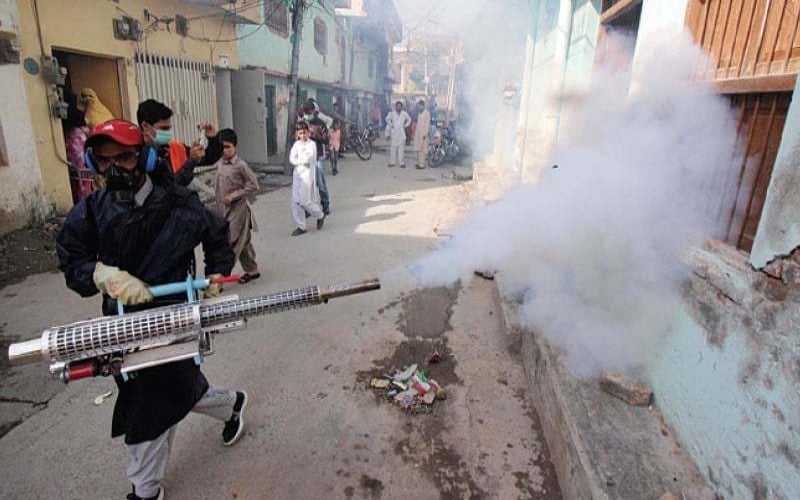
Experts also warned that the decline in cases should not lead people to become careless. They recommended removing standing water, controlling mosquito breeding sites and using mosquito nets and insect repellents, particularly in areas where malaria cases are more common.
Common symptoms of malaria include fever, chills, shivering, sweating, headache and body aches. The disease can become serious in some cases and may be life-threatening if treatment is delayed.
Doctors advised people with persistent or recurring fever to seek medical care and get tested for malaria instead of taking medicines without medical advice.