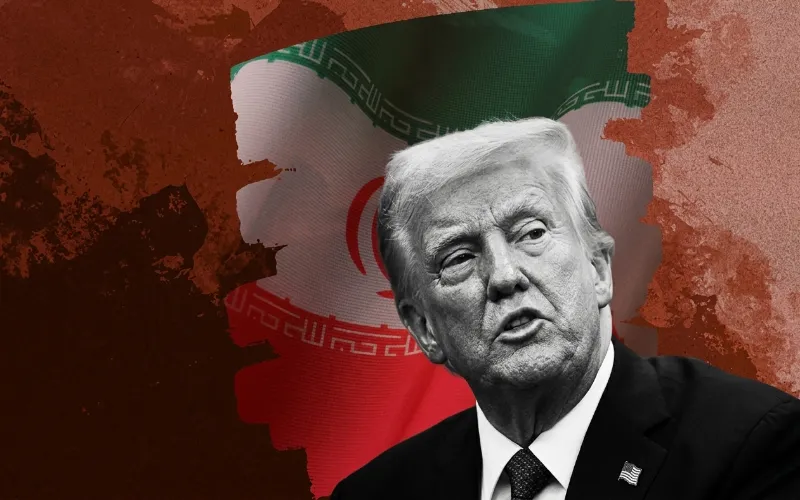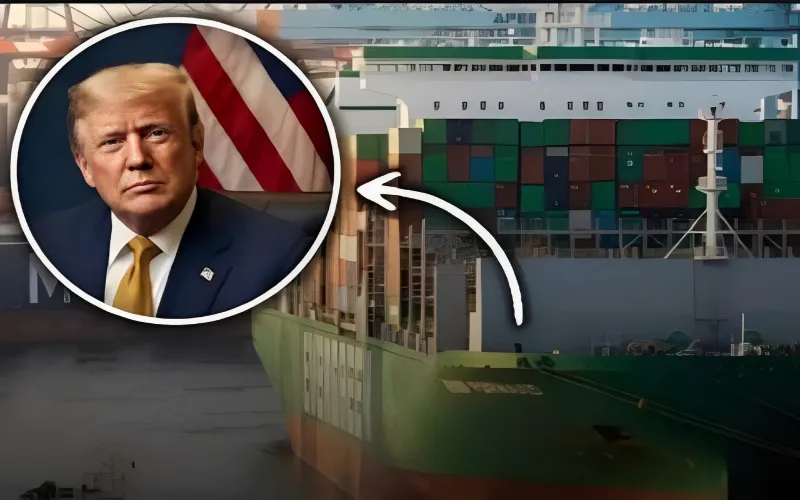
WASHINGTON: US President Donald Trump extended a limited waiver of a century old shipping law for another 90 days, allowing fewer restrictions on energy shipments as the Iran war continues to disrupt global oil markets and raise concerns over fuel supplies.
The Trump administration narrowed the waiver of the Jones Act while keeping it active to support the movement of critical energy resources across the United States. The extension is expected to remain in effect until mid November, after the upcoming US midterm elections.
The decision marks Trump’s second extension of the waiver since the conflict with Iran began. The administration first issued a 60 day waiver in March, shortly after the United States and Israel launched strikes against Iran. Another 90 day extension was approved in May.
API applauds the administration’s leadership in extending the Jones Act waivers, a critical action that will strengthen supply security and help protect consumers from unnecessary price volatility. https://t.co/rPgfR7carg
— American Petroleum Institute (@APIenergy) August 10, 2026
The latest move comes as efforts to reopen the Strait of Hormuz have not produced a deal, causing continued uncertainty in global energy markets. Oil prices have increased again, while US petroleum reserves have dropped to their lowest levels in decades.
A White House official said the new waiver will only cover certain energy shipments. The official added that the Pentagon will work with the US Maritime Administration to decide whether individual shipping trips qualify under the exemption.
The administration said the restrictions were adjusted to address concerns from the US maritime industry while maintaining access to important energy supplies.
Kristin Whitman, senior vice president of government relations at the American Petroleum Institute, welcomed the decision, saying the waiver would help keep American energy supplies moving and reduce pressure on consumers.
The Jones Act, passed in 1920, requires goods transported between US ports to be carried on American built, American owned and American operated vessels with US crews. The law was designed to strengthen the domestic shipping industry after World War I.
However, some economists have criticized the law, arguing that it increases costs and limits competition in the shipping sector.
According to Maritime Administration data, 210 shipping trips have been completed under the waiver that would otherwise have violated Jones Act rules. Most of those shipments involved gasoline and crude oil.
White House spokeswoman Taylor Rogers said the administration’s decision was aimed at ensuring the military and key industries have continued access to essential resources.
She said the waiver has increased domestic deliveries of important fuels, including gasoline, diesel and jet fuel, while helping strengthen the country’s economic and national security.
The extension highlights the administration’s effort to manage energy challenges as the Iran conflict continues to affect international oil markets and shipping routes.