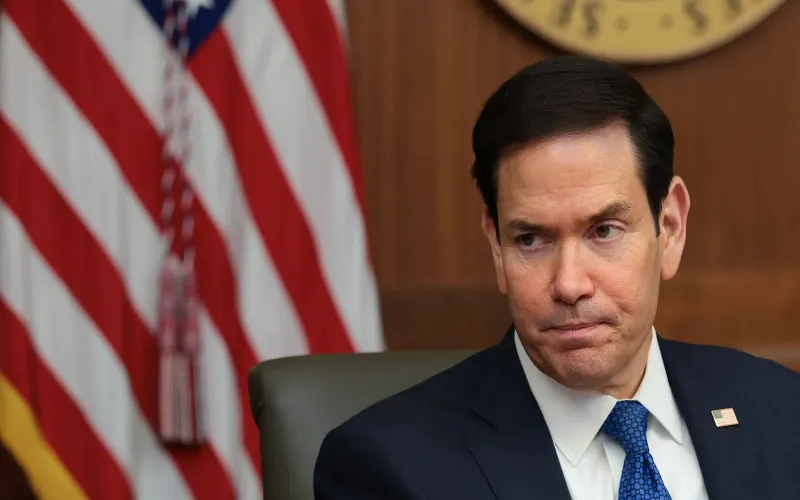
WASHINGTON: The United States will avoid launching new strikes against Iran for now as Secretary of State Marco Rubio tells foreign allies that Washington is focusing on economic pressure, sanctions and control of the Strait of Hormuz, according to U.S. officials reports.
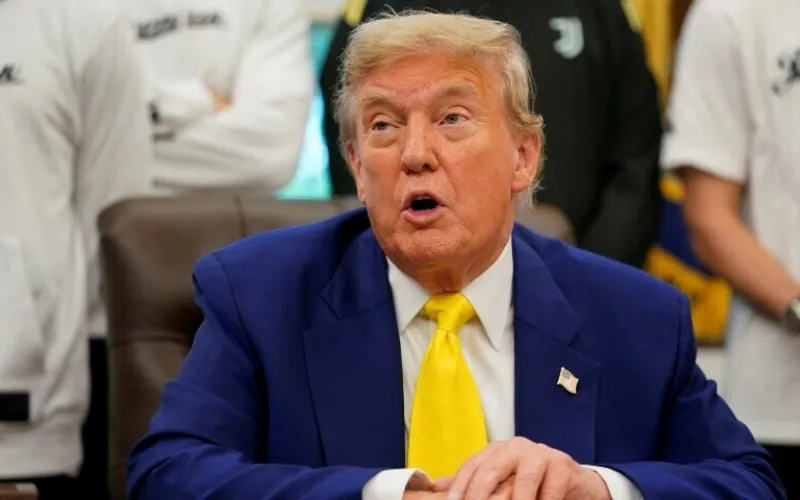
Marco Rubio has told several foreign ministers in recent days that the Trump administration does not currently plan to begin another major military campaign against Iran. However, he did not rule out possible strikes if Iran launches an attack first.
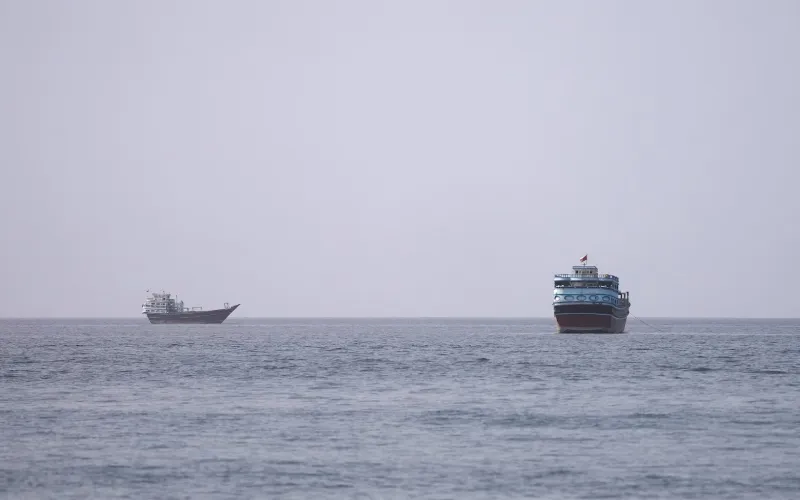
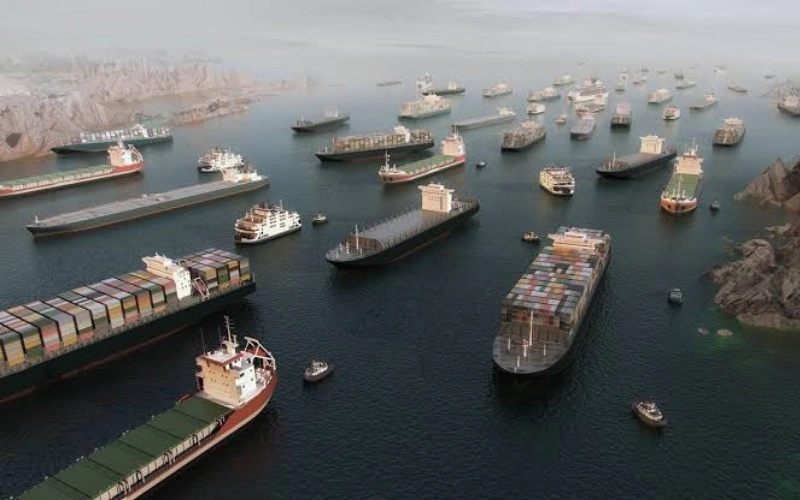
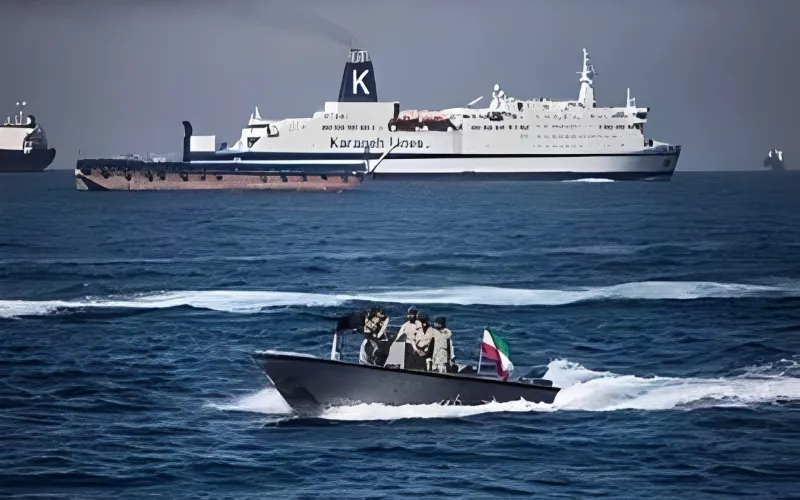
Instead, Washington is increasing pressure through a naval blockade, new Treasury Department sanctions and efforts to keep oil shipments moving through the Strait of Hormuz.
🇺🇸🇮🇷NEW: Secretary of State Marco Rubio has told several of his foreign counterparts in recent days that “for the time being” the U.S. is not expected to initiate new strikes against Iran and focus on economic pressure. My story on @axios https://t.co/cilmcNReB6
— Barak Ravid (@BarakRavid) August 25, 2026
The shift comes as U.S. officials believe Iran’s ability to use the strategic waterway as leverage has weakened. The U.S. Navy has cleared mines from much of the strait, while more oil tankers have recently started using its southern shipping route.
U.S. officials say the developments have reduced Iran’s influence over global energy supplies. They also claim that the naval blockade is cutting deeply into Iran’s oil revenue.
Almost no tankers have reportedly been seen at Kharg Island, Iran’s main oil export center, during the past two weeks, according to U.S. officials.
State Department spokesman Tommy Pigott said Iran’s economy is under severe pressure and its military has suffered major losses. He added that the Trump administration is determined to prevent Iran from obtaining a nuclear weapon and will use the necessary tools to achieve that goal.
Rubio has reportedly described the current U.S. approach as a combination of military restraint and growing economic pressure. The strategy includes limiting Iran’s ability to earn money, maintaining the naval blockade and moving as much oil as possible through the strait and into international markets.
Meanwhile, Pakistan’s army chief, Field Marshal Asim Munir, traveled to Tehran on Sunday for talks with Iranian leaders. Pakistan has played a key role in efforts to communicate between Washington and Tehran.
For now, U.S. officials say Washington is not negotiating with Tehran. Instead, they are applying pressure in hopes that Iran will eventually return to the negotiating table.