WASHINGTON/TEHRAN: Hopes for a diplomatic breakthrough between the United States and Iran suffered another setback on Wednesday as both sides exchanged fresh attacks.
Washington launched new strikes on Iranian targets, while Tehran responded with claims of retaliatory action.
The latest escalation has intensified concerns over a possible wider regional conflict, as efforts to revive negotiations face growing uncertainty.
The developments come amid rising tensions between the two countries, with the latest military exchanges putting further pressure on fragile attempts to reach a diplomatic solution.
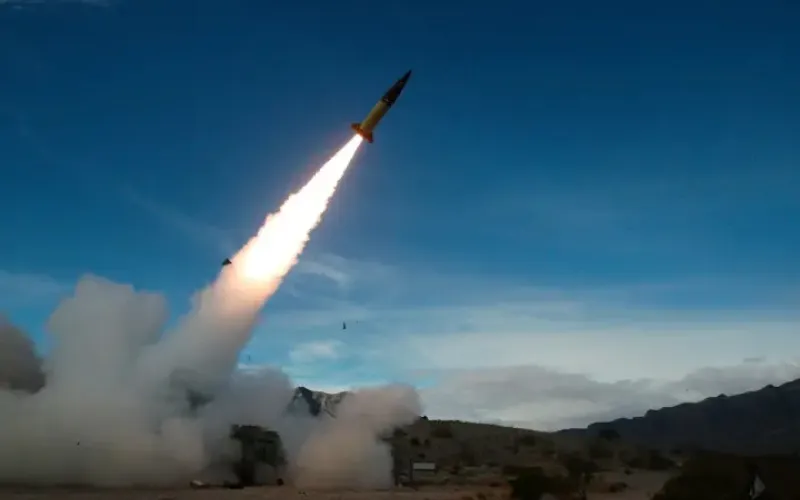
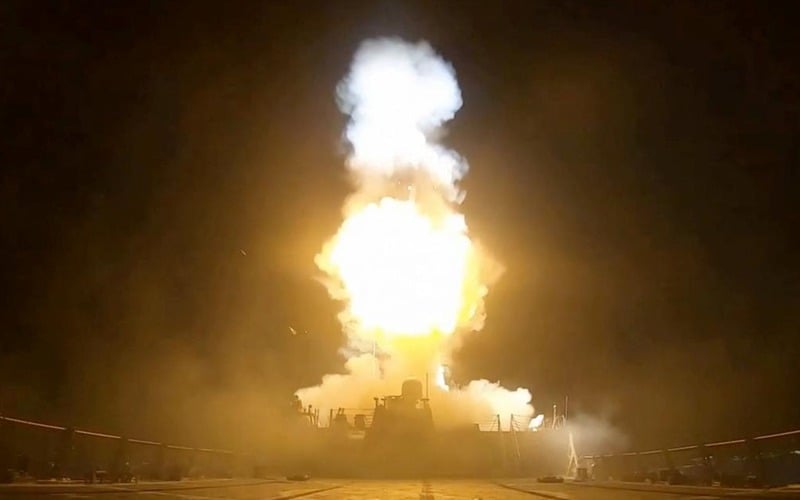
The US military said it carried out a fresh wave of strikes against Iranian military facilities, targeting capabilities allegedly used by Tehran to threaten commercial vessels operating in the Strait of Hormuz.
US Central Command (CENTCOM) said the operations targeted Iranian air defence systems, missile and drone capabilities, coastal surveillance facilities and military command centres.
According to CENTCOM, one of the strikes focused on Iranian coastal defence systems and cruise missile storage sites on Greater Tunb Island, while another targeted locations in Bandar Abbas, a strategic city near the Strait of Hormuz.
The US military said the operations were aimed at reducing Iran’s ability to disrupt maritime activity and threaten international shipping routes.
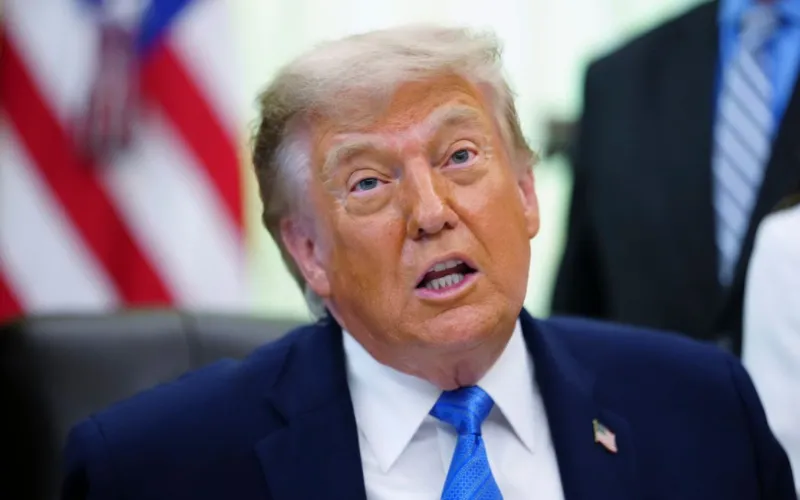
US President Donald Trump issued a strong warning to Iran, saying Tehran must change its approach amid the ongoing confrontation.
Speaking to reporters, Trump said he did not want to set a specific deadline for further action but suggested that Iranian officials understood what was expected from them.
“They better behave,” Trump said, adding that Washington would decide whether to continue negotiations or take further action.
Trump also said Iran was under pressure and indicated that Tehran wanted to reach a settlement.
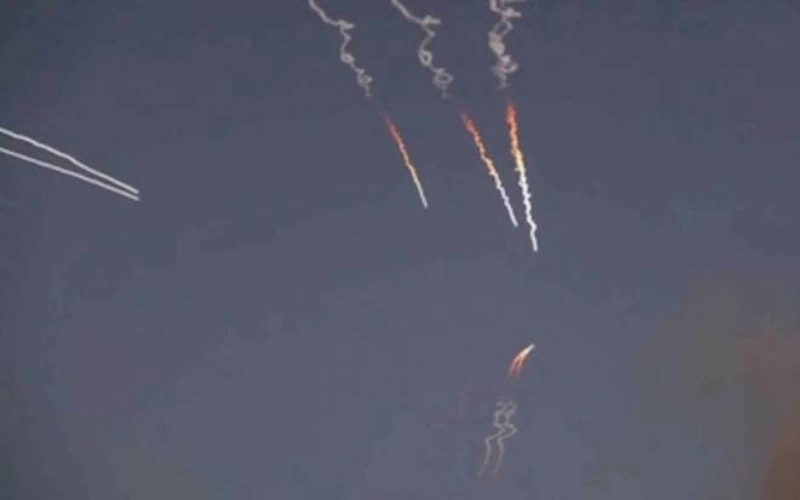
Iran said it responded to the US military action by targeting American military-related facilities in the region.
Iranian state media reported that drones were used to strike US communication systems and storage facilities in Jordan. Jordanian authorities said their forces intercepted several drones and confirmed that no casualties or significant damage were reported.
Iran’s top negotiator, Mohammad Bagher Ghalibaf, said Tehran would not remain committed to any agreement that did not serve Iran’s interests.
He said Iran’s national security depended on maintaining its position regarding the Strait of Hormuz, adding that negotiations and resistance remained part of Tehran’s strategy.
The Strait of Hormuz has emerged as a major point of tension between Washington and Tehran due to its critical role in global energy transportation.
Following renewed US restrictions on Iranian ports, Iran’s Islamic Revolutionary Guard Corps (IRGC) warned that further measures could affect additional oil and gas export routes.
The ongoing confrontation has already disrupted shipping activity in the region, contributing to rising global oil prices and increasing concerns over energy security.
Despite the escalation, President Trump welcomed Iran’s release of an American citizen, describing the move as a positive gesture.
Trump said Dena Karari, whom Washington described as wrongfully detained, had safely left Iran and was in good condition. Her lawyer also confirmed that she was returning to the United States.
However, the latest exchange of strikes and threats has created fresh uncertainty over diplomatic efforts, with concerns growing that continued military confrontation could further destabilise the region.